
 Products
 Bars
Bars
 Beads & Spheres
 Bolts & Nuts
 Crucibles
 Discs
Discs
 Fibers & Fabrics
 Films
Films
 Flake
Flake
 Foams
Foams
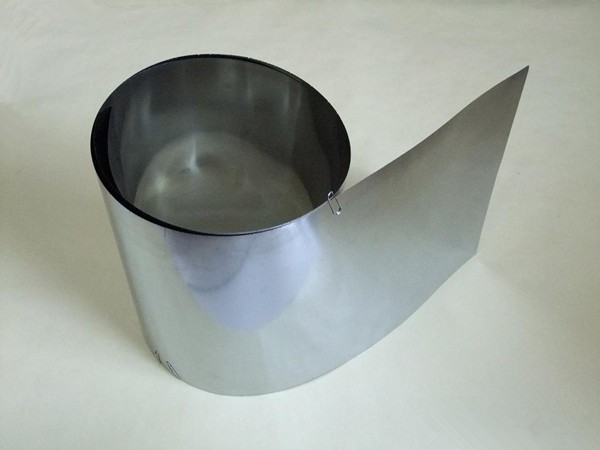
 Foil
Foil
 Granules
 Honeycombs
 Ink
Ink
 Laminate
 Lumps
Lumps
 Meshes
 Metallised Film
 Plate
Plate
 Powders
 Rod
Rod
 Single Crystals
 Sputtering Target
 Tubes
Tubes
 Washer
 Wires
Wires
 Converters & Calculators
 Write for Us



What Molybdenum is Used for

What Molybdenum is Used for
The first molybdenum metal application –lead wires in incandescent lamps- appeared in the early days of the 20th century. Molybdenum was chosen for this application because of its stability and strength at elevated temperatures. Since that first application, scientists and engineers have discovered that other properties of molybdenum make it the material of choice for many applications. Some of these take advantage of molybdenum’s strength and stability at high temperatures, just as the first lamp wires did.
However, molybdenum has many other properties that make it attractive for applications outside traditional high-temperature components, including:
High thermal conductivity
High electrical conductivity
Low coefficient of thermal expansion
Resistance to attack by molten metal,
Compatibility with most glass compositions
Thermal shock resistance
High stiffness and strong bonding with glass used in lamps and electronic devices
Because so many of its properties are attractive to engineers and designers, molybdenum metal and its alloys are used in:
Lighting
Electrical and electronic devices
Medical equipment
Materials processing equipment
High temperature furnaces and associated equipment
Thermal spray coatings
Aerospace & defense components
Applications in all these areas require unique combinations of several properties. Molybdenum and its alloys, and composite materials that employ molybdenum metal such as molybdenum foil, provide unique combinations of thermal and electrical conductivity, thermal expansion, high-temperature strength and creep resistance,vapor pressure , environmental stability, and resistance to abrasion and wear that make them ideal.
1. Steel & Alloys (≈75% of Global Mo Consumption)
Molybdenum strengthens steel and other metals: High-Strength Steel (HSS) for buildings, pipelines, and automotive components that is stronger; More durable stainless steel grades, i.e., 316 and 316L, for various marine, chemical, and oil/gas applications; Tool steels, i.e., H13 and M2, with improved heat resistance in drills, dies, and machining tools.
- Superalloys (e.g., Inconel, Hastelloy): Used in jet engines, gas turbines, and nuclear reactors for high-temperature stability.
2. Chemical & Industrial Applications
- Catalysts: Used in petroleum refining (e.g., hydrodesulfurization) and fertilizer production.
- Corrosion-Resistant Equipment: Linings for reactors, pipes, and valves in acidic environments.
- Lubricants: Molybdenum disulfide (MoS₂) is a dry lubricant in aerospace and automotive applications.
3. Electronics & Energy
- Semiconductors: In thin-film transistors (TFTs) and display LEDs.
- Solar Cells: Mo back contacts are used in CIGS (copper indium gallium selenide) photovoltaic panels.
- Nuclear Energy: Mo alloys endure radiation in the components of reactors.
4. Aerospace & Defence
- Rocket Nozzles & Turbine Blades: Withstands extreme heat and stress.
- Armor Plating: Military vehicles for high ballistic strength.
5. Medical & Health
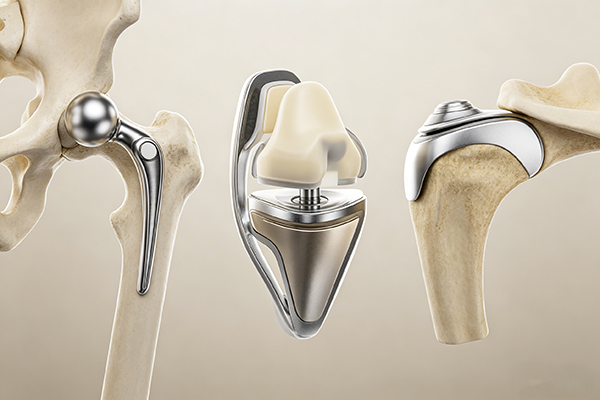
- Medical Implants: Biocompatible Mo alloys in prosthetics and stents.
- X-Ray Anodes: In medical imaging devices.
6. Emerging Technologies
- Hydrogen Production: Mo-based catalysts for green hydrogen electrolysis.
- Battery Tech: Sodium-ion and lithium-sulfur battery research.
 Chin Trento