Products
 Bars
Bars
 Beads & Spheres
 Bolts & Nuts
 Crucibles
 Discs
Discs
 Fibers & Fabrics
 Films
Films
 Flake
Flake
 Foams
Foams
 Foil
Foil
 Granules
 Honeycombs
 Ink
Ink
 Laminate
 Lumps
Lumps
 Meshes
 Metallised Film
 Plate
Plate
 Powders
 Rod
Rod
 Single Crystals
 Sputtering Target
 Tubes
Tubes
 Washer
 Wires
Wires
 Converters & Calculators
 Write for Us



CoCrMo Alloy Wire with Tight Diameter Control for Medical Component Manufacturing

Customer Background
A medical component producer in Italy was sourcing cobalt-chromium-molybdenum wire for a compact implant-related part that required repeatable forming behavior and clean downstream processing. The wire needed to hold a small diameter across a long continuous length, and the production team wanted material that would behave consistently during drawing, cutting, and forming.
They were working with a 3,000-meter order. That sounds simple on paper. It usually isn't.
The part design called for CoCrMo alloy wire at 0.25 mm diameter with a tolerance of ±0.02 mm. For this type of component, even modest variation can affect feed stability and forming response. The team had already seen batch-to-batch drift from previous suppliers, especially near spool starts and ends. They needed steadier wire, plus a supplier that could speak to metallurgical quality rather than just dispatch a coil.
Challenge
The main issue was not just the diameter. It was keeping a difficult alloy stable over a long run while meeting a medical/industrial specification.
CoCrMo is tough material. It resists deformation well, which is good for service performance, but it also makes drawing more demanding. The customer needed:
· 0.25 mm nominal diameter
· ±0.02 mm tolerance across the full 3,000 m
· Forging-grade alloy certification
· Surface condition suitable for medical component fabrication
· Reliable coil packaging to avoid kinks, abrasion, and contamination
There was also a lead-time constraint. Their assembly window was fixed, and the wire had to arrive ready for qualification. A delayed spool would stop the line. A poorly controlled spool could stop it even sooner.
During initial testing, we noticed their forming process was sensitive to slight ovality, not just average diameter. That suggested the tolerance band had to be managed carefully in both drawing and final inspection.
Why They Chose SAM
The customer selected Stanford Advanced Materials (SAM) because they wanted a supplier with real experience in advanced alloys and a global sourcing network that could handle a specialized order without long back-and-forth delays.
Our team found that the request combined three things that often do not travel well together: a very small diameter, a long continuous length, and a requirement for certified alloy quality. SAM's background in advanced materials, including 30+ years of supply experience and support for more than 10,000 global customers, gave the customer confidence that we could manage the full process rather than simply ship stock wire.
They also valued our ability to customize packaging and documentation. For medical production, traceability matters. So does receiving material that can move directly into qualification without extra sorting.
Solution Provided
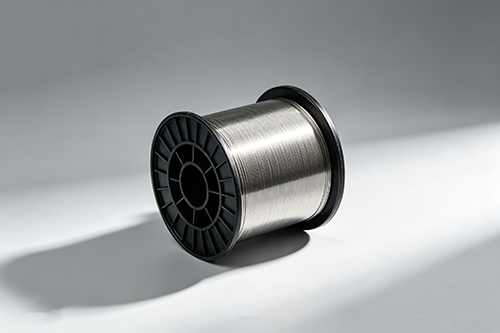
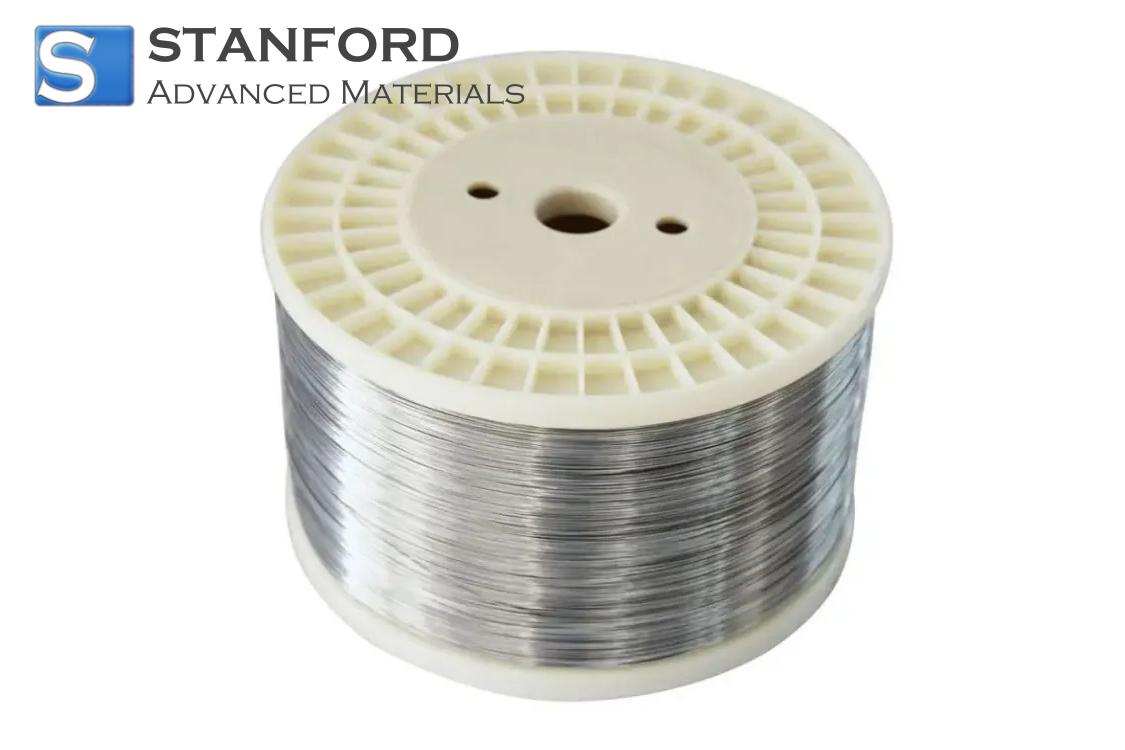
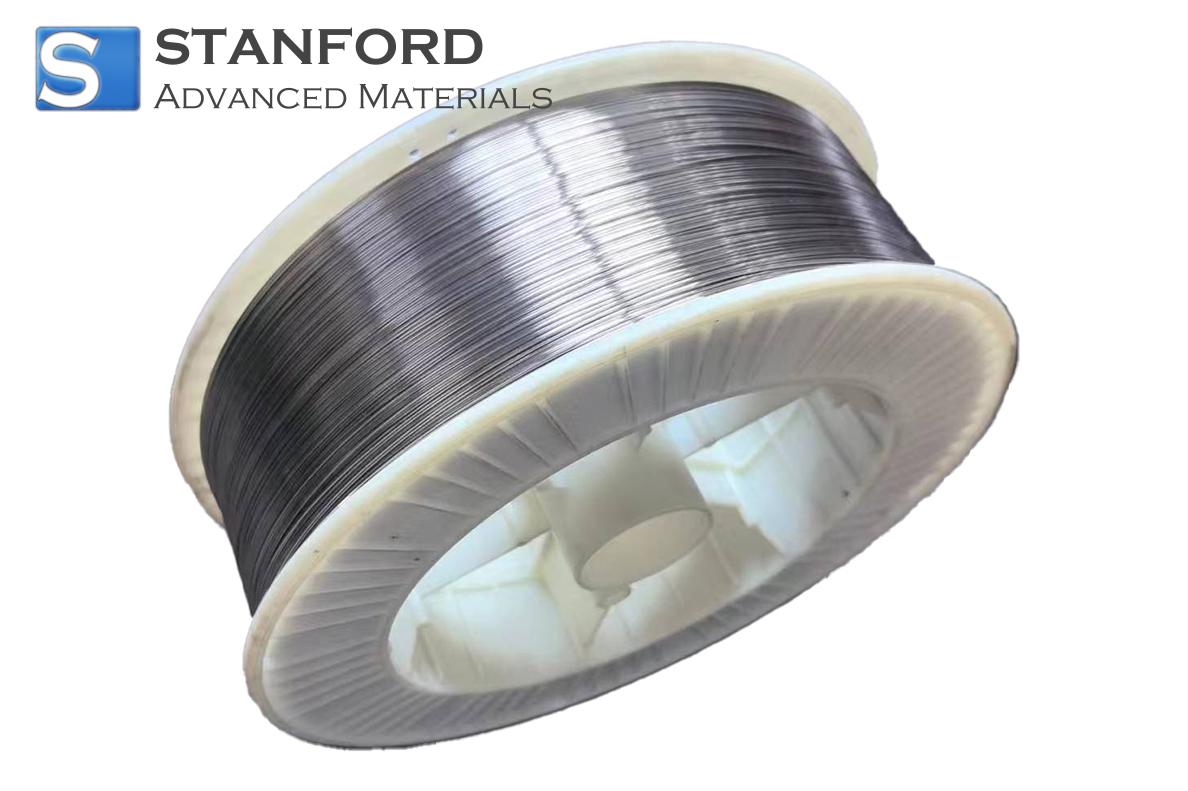
We supplied CoCrMo alloy wire drawn to 0.25 mm with a verified tolerance window of ±0.02 mm, delivered in a 3,000-meter continuous length. The wire was processed under controlled drawing conditions to limit diameter drift and to keep surface finish stable through the full run.
A few technical details were especially important:
· Diameter control was verified through batch inspection and spot checks along the coil length
· The alloy was supplied in forging-grade form with supporting certification
· Coil packaging used protective winding and moisture-safe wrapping to reduce handling damage
· Surface quality was inspected to minimize abrasion and feeding issues during downstream use
We also adjusted the spool configuration to suit the customer's line handling. That sounds minor. It wasn't. A small wire can be unforgiving when unwind behavior is inconsistent. If the coil memory is poor or the packaging is loose, the operator feels it immediately.
One practical constraint was consistency from start to finish of the 3,000 m length. Our team made sure the material stayed within the requested range not only at the sample points, but across the practical run length the customer would actually use in production.
Results & Impact
The wire arrived ready for qualification with no need for re-sorting or emergency replacement. The customer reported steadier feed behavior in forming trials and fewer interruptions tied to wire handling.
In practical terms, they saw:
· Stable diameter within the requested 0.25 mm ±0.02 mm range
· Better repeatability during component forming
· Lower scrap risk from wire-related dimensional variation
· Smoother integration into their medical component workflow
A useful outcome came from packaging as much as from metallurgy. Because the coils were secured properly, there was less surface damage during unpacking and setup. That saved time. It also reduced the usual temptation to blame the material when the real issue is often handling.
After the first production trials, the customer requested a follow-on discussion for additional lot control and possible tighter handling requirements on future orders. That suggested the initial material met expectations well enough to move from evaluation into repeat sourcing.
Key Takeaways
Small-diameter CoCrMo wire is not a routine commodity item. The combination of tight diameter control, long continuous length, and medical-grade traceability creates real manufacturing pressure. When one variable slips, the rest of the process feels it.
By supplying CoCrMo alloy wire with controlled drawing, verified dimensions, and protective coil packaging, Stanford Advanced Materials (SAM) helped the customer reduce variability and keep their qualification schedule intact. SAM also provided the documentation and responsiveness expected in a regulated supply chain.
For medical and industrial component makers working with cobalt-chromium-molybdenum wire, the material choice is only part of the story. The rest is consistency. That is usually where projects succeed or stall.
 Dr. Samuel R. Matthews