{{flagHref}}
Products
  • Products
  • Categories
  • Blog
  • Podcast
  • Application
  • Document
|
|
/ {{languageFlag}}
Select Language
Stanford Advanced Materials {{item.label}}
Stanford Advanced Materials
Select Language
Stanford Advanced Materials {{item.label}}
Please start talking

Periodic Table of the Elements

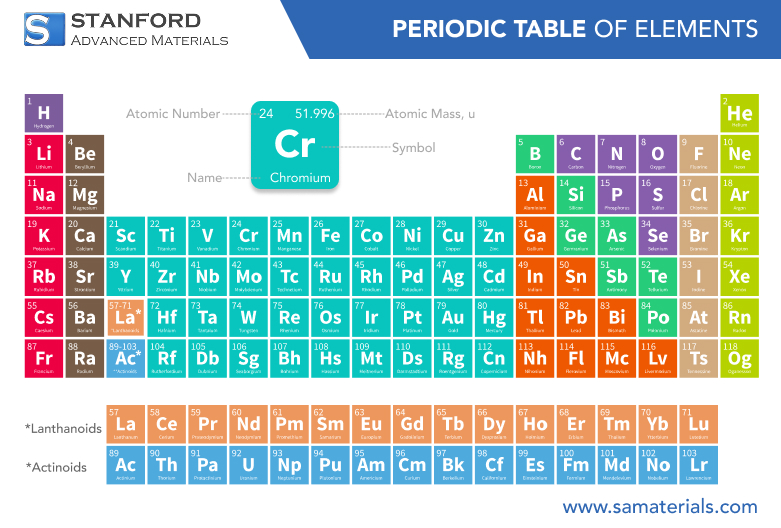
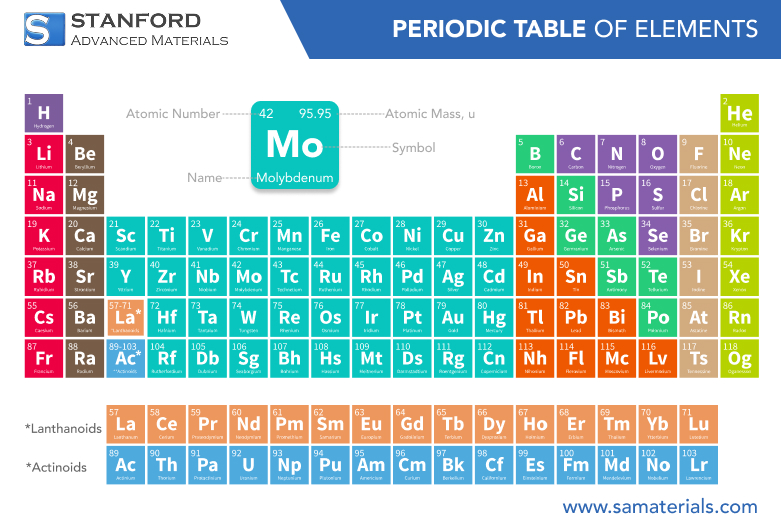
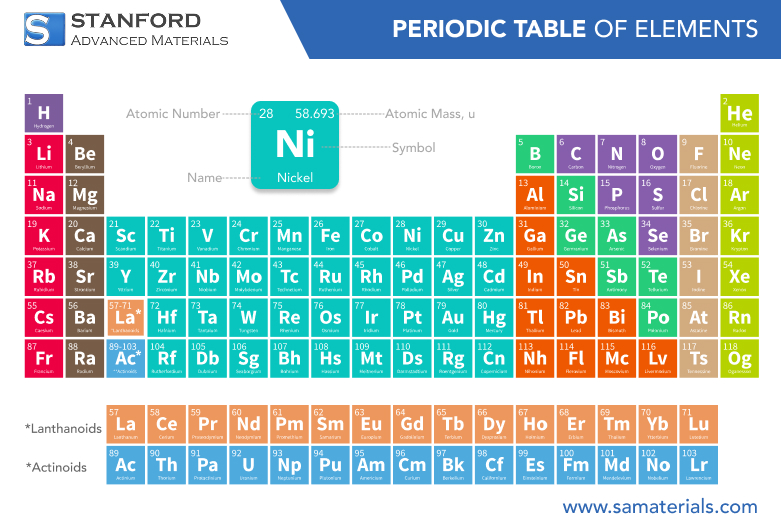
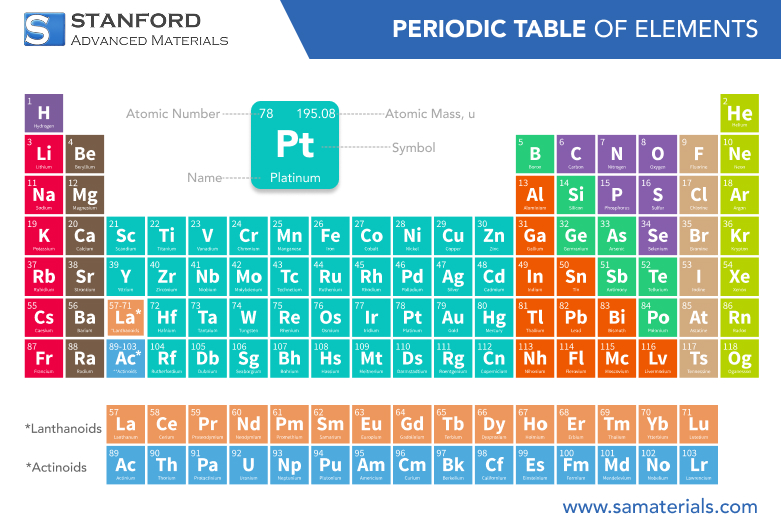
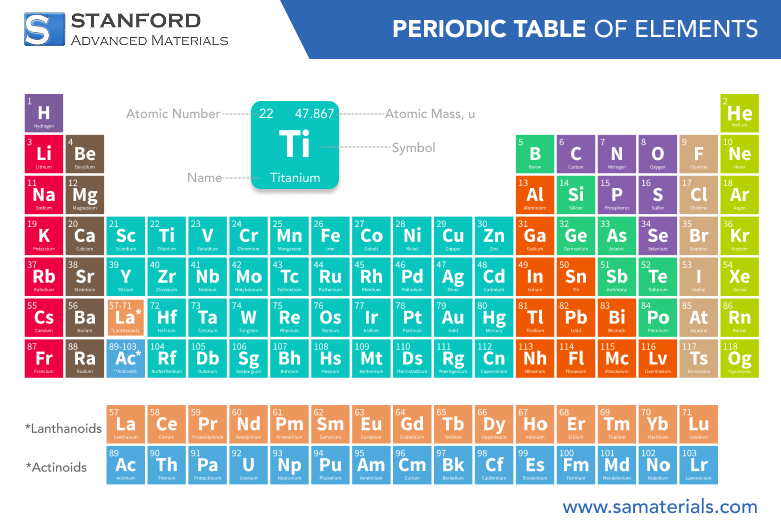
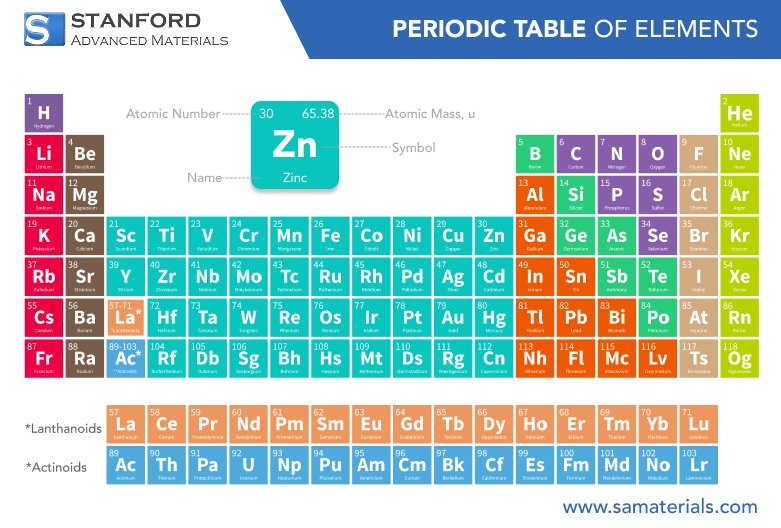
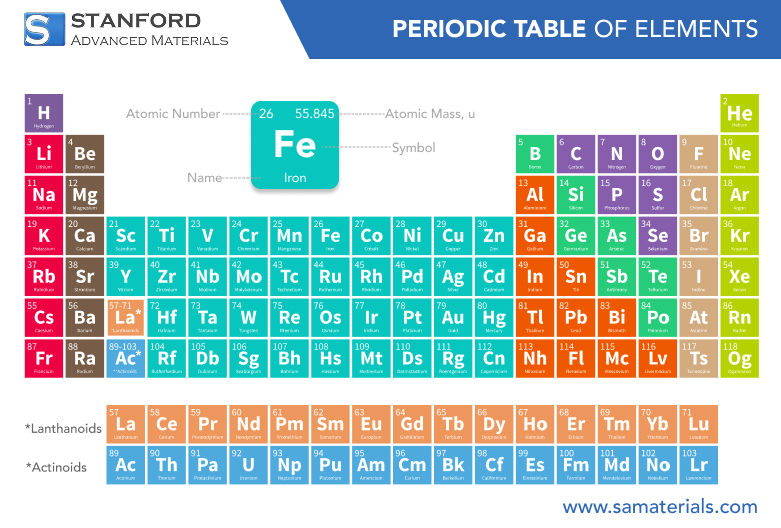
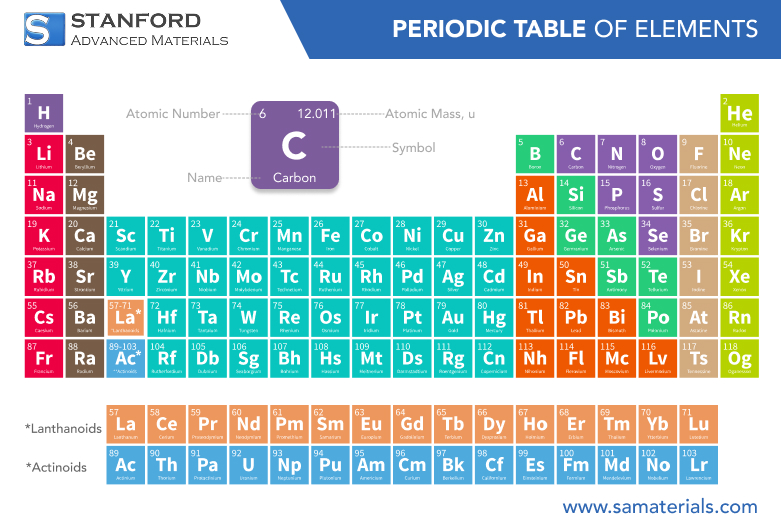
The Periodic Table provides essential information about each element, including its name, atomic number, symbol, mass, and unique chemical properties. This organization enables scientists and researchers to quickly understand the relationships among elements and predict their behavior. 

By clicking the filter buttons below, you can highlight entire groups — such as Alkali Metals, Transition Metals, or Noble Gases — making it easy to see which elements belong to each group.

If you are interested in related products, click on any element to view its product page. If you want to explore the element's own properties and real-world uses, SAM's blog offers detailed insights into each element.

Filter By
Metals
Metalloids
Nonmetals
States
Groups
Periods
Alkali Metals
Alkaline Earth Metals
Transition Metals
Post-Transition Metals
Lanthanides
Actinides
Basic Nonmetals
Halogens
Noble Gases
Gases
Liquids
Solids
Unknown
1
2
3
4
5
6
7
8
9
10
11
12
13
14
15
16
17
18
1
2
3
4
5
6
7
Reset

PERIODIC TABLE OF THE ELEMENTS

13
Al
Aluminum
31
Ga
Gallium
49
In
Indium
50
Sn
Tin
81
Tl
Thallium
82
Pb
Lead
83
Bi
Bismuth
84
Po
Polonium
113
Nh
Nihonium
114
Fl
Flerovium
115
Mc
Moscovium
116
Lv
Livermorium
*Lanthanoids
*Actinoids
19
K
Potassium

Elements

Symbol
Element Name
Atomic Number

Learning Hubs for the Periodic Table

BG00224

Chromium: Element Properties and Uses

Chromium is a chemical element with unique properties that make it essential in various industrial applications, from stainless steel production to protective coatings.

READ MORE >
BG00242

Molybdenum: Element Properties and Uses

Molybdenum is a chemical element with the symbol Mo and atomic number 42. It is essential in various industrial applications due to its high strength and resistance to corrosion.

READ MORE >
BG00228

Nickel: Element Properties and Uses

Nickel is a versatile, corrosion-resistant metal widely used in industries such as aerospace, energy, and manufacturing due to its excellent mechanical properties and ability to form durable alloys.

READ MORE >
BG00241

Niobium: Element Properties and Uses

Niobium is a unique element; this blog offers an introduction to the element, its chemical properties description, physical data, and preparation methods.

READ MORE >
BG00278

Platinum: Element Properties and Uses

Platinum (Pt) is a dense, corrosion-resistant, silvery-white metal used in jewelry, catalytic converters, and medical devices. It is highly durable, malleable, and valued for its industrial and investment applications.

READ MORE >
BG00275

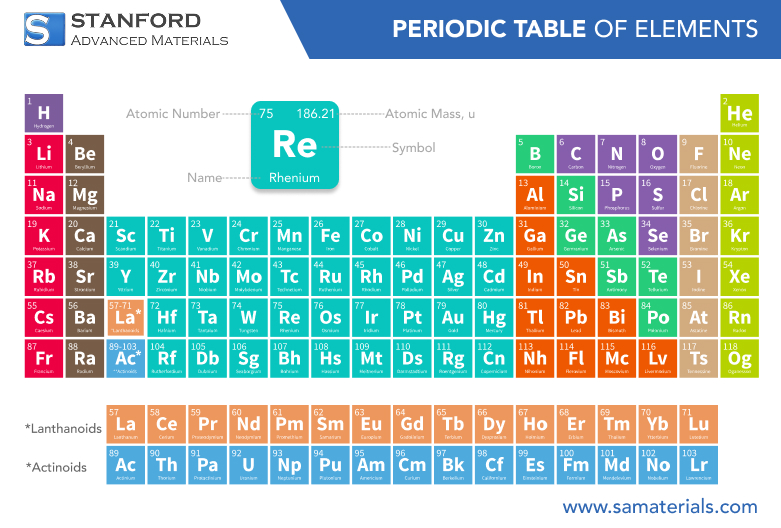
Rhenium: Element Properties and Uses

Rhenium (Re) is a rare, high-melting-point metal used in jet engines, superalloys, and catalysts. Known for its strength and corrosion resistance, it is a byproduct of molybdenum and copper refining.

READ MORE >
BG00245

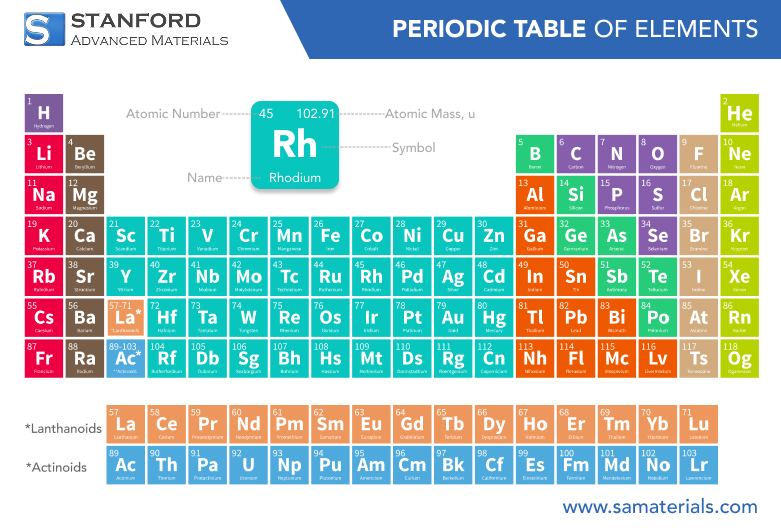
Rhodium: Element Properties and Uses

Rhodium is a rare, silvery-white metal celebrated for its exceptional catalytic and reflective properties, essential in automotive, chemical, and industrial applications.

READ MORE >
BG00214

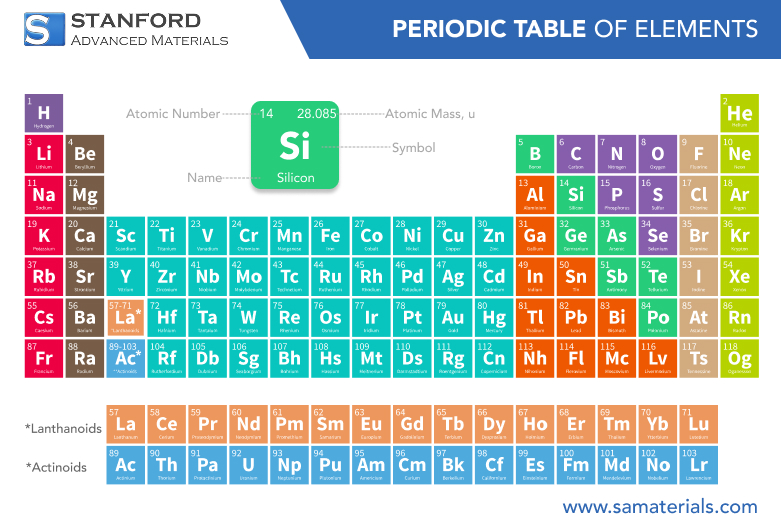
Silicon: Element Properties and Uses

Silicon is a metalloid, meaning it has properties of both metals and nonmetals. It is the second most abundant element in the Earth's crust, after oxygen. Found predominantly in nature in the form of silicates and silicon dioxide (SiO₂), silicon is essential in the manufacturing of semiconductors, solar panels, and glass, among other products.

READ MORE >
BG00273

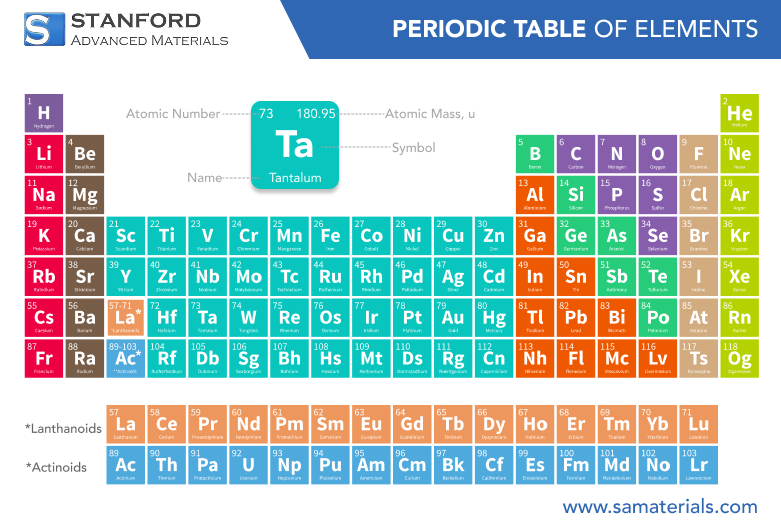
Tantalum: Element Properties and Uses

Tantalum, a rare metal with exceptional chemical and physical properties, is prized for its corrosion resistance and vital role in electronics and industry.

READ MORE >
BG00222

Titanium: Element Properties and Uses

Titanium is a strong, lightweight, and corrosion-resistant metal. It is widely used across various industries due to its durability and versatility in challenging environments.

READ MORE >
BG00230

Zinc: Element Properties and Uses

Zinc (Zn) is a metallic element with atomic number 30, known for its anti-corrosive properties and essential role in biology. It is widely used in galvanization, alloys, and batteries, as well as in enzymes and human health.

READ MORE >
BG00226

Iron: Element Properties and Uses

Iron (Fe) is the most abundant element on Earth, essential for both industrial applications and biological processes. Learn about its properties, history, uses in steelmaking, and role in human health.

READ MORE >
BG00206

Carbon: Element Properties and Uses

Carbon is a non-metal element that plays a crucial role in life processes, industrial applications, and chemistry. It has distinct chemical and physical properties that make it highly versatile.

READ MORE >
Leave A Message
Leave A Message
* Your Name:
* Your Email:
* Product Name:
* Your Phone:
* Comments: