
 Products
 Bars
Bars
 Beads & Spheres
 Bolts & Nuts
 Crucibles
 Discs
Discs
 Fibers & Fabrics
 Films
Films
 Flake
Flake
 Foams
Foams
 Foil
Foil
 Granules
 Honeycombs
 Ink
Ink
 Laminate
 Lumps
Lumps
 Meshes
 Metallised Film
 Plate
Plate
 Powders
 Rod
Rod
 Single Crystals
 Sputtering Target
 Tubes
Tubes
 Washer
 Wires
Wires
 Converters & Calculators
 Write for Us



Applications of Functional Feed Additives: Analysis of Ingredients, Mechanisms, and Use Cases

In the field of functional feed additives, finding multi‑efficacy ingredients that can improve animal gut health while also ensuring feed safety and product quality has always been an important direction in formulation design. In recent years, hyaluronic acid (HA), with its unique water‑retention, lubricating, and biocompatibility properties, has gradually expanded from the pharmaceutical and cosmetic fields into animal nutrition. Meanwhile, astaxanthin, known as the strongest naturally occurring carotenoid antioxidant, has become very well established in aquafeed applications. Based on currently available additive product information, this article systematically analyzes several functional compound products that use hyaluronic acid as the core ingredient, supplemented with probiotics, enzymes, plant extracts, and organic acids, as well as the compositional features and mechanisms of action of high‑purity astaxanthin, providing a reference for professional users during formulation selection.
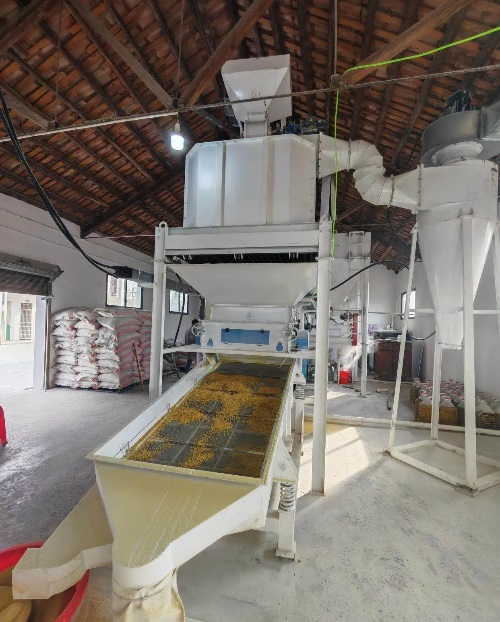
Fig. 1 Feed Processing Equipment
1 Hyaluronic Acid: Lubrication, Nutrient Absorption Enhancement, and Detoxification
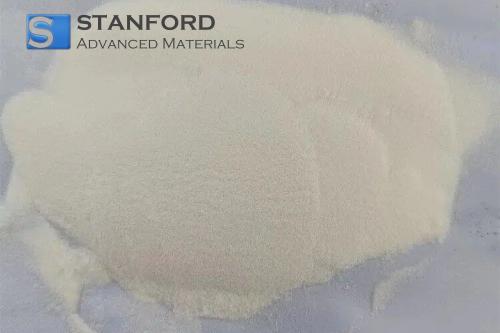
As the foundation of all compound products, pure hyaluronic acid powder is a high‑molecular‑weight linear polysaccharide (typical molecular weight range: 1.0×10⁶ – 1.8×10⁶ Da) with a purity of no less than 95% (determined by HPLC). Each of its disaccharide units contains a carboxyl group and a hydroxyl group, which endow the molecule with strong hydrophilicity – its theoretical water‑holding capacity can exceed 1000 times its own weight. When added to feed at an inclusion level of 50–200 g per tonne of complete feed, hyaluronic acid rapidly hydrates in the gastrointestinal tract to form a gel‑like layer. This layer, on one hand, reduces mechanical friction between the digesta and the intestinal wall, and on the other hand, moderately prolongs the retention time of the digesta, thereby improving the efficiency of nutrient absorption. In addition, high‑molecular‑weight hyaluronic acid can physically coat the mucosal surface, reducing direct contact with harmful substances such as bacterial toxins. Therefore, pure hyaluronic acid powder can be used as a general‑purpose additive in various livestock, poultry, and aquafeeds, and is particularly suitable for diets aiming to improve intestinal barrier function.
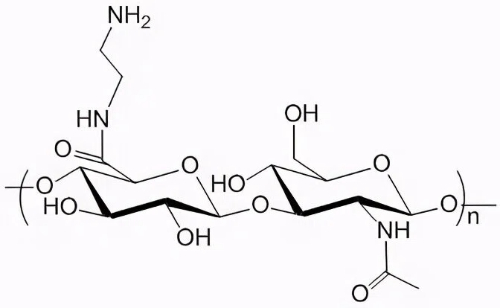
Fig. 2 Chemical Structure of Hyaluronic Acid
2 Compound Products for Ruminants: Synergistic Management of the Rumen and Hindgut
The digestive characteristics of ruminants require that their additives address both the rumen microbiota and intestinal mucosal health. Currently, two targeted compound products are available: the Rumen Function Enhancer and the Ruminant Intestinal Health Supplement. The former uses hyaluronic acid as the base material (content not less than 40%) and is compounded with Saccharomyces cerevisiae, Bacillus subtilis, and Bacillus licheniformis (total viable count ≥ 2×10⁹ CFU/g), as well as xylanase, protease, and amylase. Hyaluronic acid here not only increases the viscosity of the rumen fluid phase, delaying the outflow rate of digesta, but also provides a more favorable physical environment for microbial attachment. The yeast and Bacillus strains directly modulate the rumen microecology, inhibit pathogenic bacteria such as Clostridium perfringens, and reduce the risk of subacute ruminal acidosis. The exogenous enzymes hydrolyze non‑starch polysaccharides and proteins in the diet, releasing more fermentable substrates. The recommended inclusion rate is 100–300 g per tonne of concentrate supplement.
The other product, the Ruminant Intestinal Health Supplement, focuses more on the protection of the small intestine and hindgut mucosa. Its composition includes sodium hyaluronate (≥30%), Macleaya cordata extract (sanguinarine content ≥2%), as well as Bacillus subtilis and Bacillus licheniformis. The main active components of Macleaya cordata extract are sanguinarine and chelerythrine. Multiple studies have shown that they can inhibit the proliferation of Escherichia coli and Salmonella in the gut, while downregulating the expression of pro‑inflammatory cytokines (IL‑6, TNF‑α). Combined with the physical lubricating effect of hyaluronic acid, this product is particularly suitable for high‑roughage diets or young ruminants such as calves and lambs. The recommended inclusion rate is 150–300 g per tonne of concentrate.
3 Universal Products for Monogastric Animals and Aquaculture: Gut Efficiency and Mucosal Protection
For monogastric animals such as pigs and chickens, as well as some aquatic species, the digestive system is relatively short and lacks a buffering system like the rumen. Therefore, they require more direct support in terms of gastrointestinal lubrication and enzymatic digestion. A universal product (Gut Health and Feed Enhancers) combines hyaluronic acid (≥35%) with neutral protease (≥15,000 U/g) and tributyrin (≥10%). The protease is responsible for breaking down anti‑nutritional factors in plant proteins (e.g., soybean trypsin inhibitors). Tributyrin slowly releases butyrate in the intestine – butyrate is the preferred energy substrate for intestinal epithelial cells, which promotes villus hyperplasia and enhances the expression of tight junction proteins (such as Claudin‑1 and Occludin), thereby reducing intestinal permeability. The hydrated gel layer of hyaluronic acid plays a dual role here: buffering gastric acid irritation and providing auxiliary lubrication. The recommended inclusion rate for this product is 80–250 g per tonne of complete feed, and it is suitable for pigs, chickens, ducks, tilapia, and others.
The product specifically designed for aquatic animals (Aquatic Intestinal Health Products) places greater emphasis on adaptability to the short intestine. Its formula includes sodium hyaluronate (≥25%), Macleaya cordata extract (sanguinarine ≥1.5%), and taurine (≥10%). Taurine is a conditionally essential amino acid for carnivorous fish (such as large yellow croaker, sea bass, and rainbow trout), promoting bile secretion and fat emulsification. Relevant trials have shown that it can increase fat digestibility by 8–12%. Meanwhile, the hydrated lubricating layer of hyaluronic acid can prolong the retention time of feed in the aquatic animal's intestine by approximately 15–20%, and the Macleaya cordata extract inhibits common pathogenic Vibrio and Aeromonas hydrophila, reducing the incidence of enteritis. The recommended inclusion rate is 200–500 g per tonne of feed.
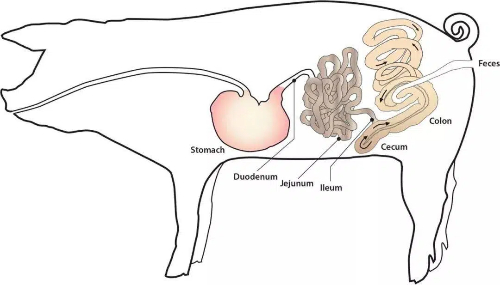
Fig. 3 The Digestive System of Pigs
4 Feed Detoxifier: Multi‑Target Adsorption Mechanism
Mycotoxins, heavy metals, and other contaminants in feed represent a long‑standing challenge for the livestock industry. Traditional single‑component adsorbents (such as hydrated sodium calcium aluminosilicate) often suffer from narrow adsorption spectra and high adsorption rates for nutrients. A compound detoxifier attempts to expand the detoxification range through the synergy of multiple mechanisms. Its composition includes sodium hyaluronate (≥20%), fumaric acid (≥8%), sorbic acid (≥5%), calcium propionate (≥5%), and high‑specific‑surface‑area sepiolite (≥30%, specific surface area ≥200 m²/g). The carboxyl groups in the hyaluronic acid molecule can chelate heavy metal ions such as lead and cadmium, and its three‑dimensional network structure can also adsorb certain polar mycotoxins (e.g., aflatoxin B₁) via hydrogen bonding. The organic acids, on one hand, lower the local pH of the gastrointestinal tract to inhibit mold activity, and on the other hand, can destroy the molecular structure of some heat‑stable toxins. Sepiolite, as a layered chain silicate, has a strong adsorption capacity for non‑polar mycotoxins such as zearalenone and deoxynivalenol (DON), and its adsorption rate for vitamins and minerals is significantly lower than that of montmorillonite. The recommended inclusion rate for this product is 0.5–2 kg per tonne of feed (adjusted according to the degree of raw material contamination), and it is suitable for all animal categories.
5 Feed Processing Aid: Hyaluronic Acid as a Moisture Regulator
In addition to being added directly to animal diets, hyaluronic acid can also be applied in feed processing. A water ecology regulator, based on high‑purity sodium hyaluronate (≥90%), utilizes its super‑strong water‑retention capacity (water‑holding capacity greater than 1000 times its own weight) to uniformly lock in moisture during conditioning and pelleting. This helps increase starch gelatinization and reduce pellet friability. In extruded feed production, it also improves the flowability and expansion uniformity of the material inside the extruder barrel, reducing the phenomenon of "mottled pellets." The product has a particle size of 100% passing through an 80‑mesh standard sieve, and the recommended inclusion rate is 0.1%–0.3% of the total formula weight.
6 Astaxanthin: A Potent Tool for Pigmentation and Antioxidant Protection in Aquaculture
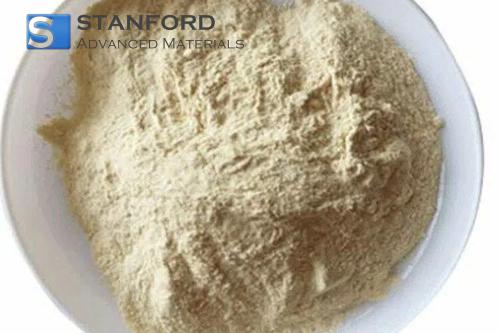
Finally, a non‑hyaluronic acid but equally important functional ingredient deserves mention – astaxanthin (CAS: 472‑61‑7). This product is natural all‑trans astaxanthin extracted from Haematococcus pluvialis, with starch or gelatin as a carrier, available in two specifications: 5% and 10%. The molecular structure of astaxanthin contains conjugated double bonds and terminal ketone groups, endowing it with extremely strong free-radical scavenging ability: its singlet-oxygen quenching capacity is approximately 100 times that of vitamin E and 10 times that of β‑carotene. In aquafeeds, astaxanthin plays three main roles: ① Pigmentation – it binds with actin or crustacyanin in fish and shrimp, depositing in the skin, muscle, and shell. Feeding rainbow trout at an inclusion level of 100 mg/kg (pure astaxanthin) for three weeks results in a muscle astaxanthin content of 5–8 mg/kg, meeting commercial color grade requirements. ② Antioxidant protection – it upregulates the Nrf2 signaling pathway, increases the activities of superoxide dismutase and glutathione peroxidase, reduces malondialdehyde levels, and alleviates oxidative damage caused by stocking density or temperature stress. ③ Immune enhancement – it improves disease resistance and reproductive performance of aquatic animals. Depending on the application purpose, recommended inclusion rates are 30–100 mg/kg (pure astaxanthin) for pigmentation, and 50–200 mg/kg (pure astaxanthin) for antioxidant and immune purposes. The product is microencapsulated, ensuring a retention rate of at least 90% under pelleting conditions at 80°C.
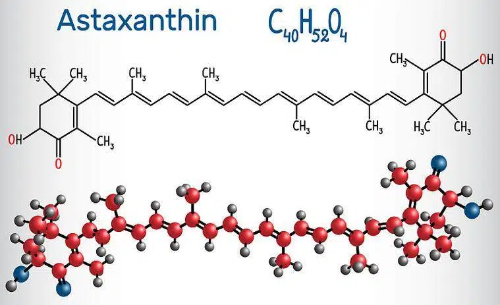
Fig. 4 The Molecular Structure of Astaxanthin
7 Synergistic Strategies and Examples of Compound Formulations
Beyond the animal-category-specific compound products described above, the value of hyaluronic acid in feed additives is often further amplified through synergy with other functional ingredients. Typical formulation logics include: combining hyaluronic acid with enzymes and probiotics, where its hydrated gel layer provides a more stable intestinal microenvironment for exogenous enzymes and live bacteria – for example, adding xylanase, protease, and Saccharomyces cerevisiae together in ruminant products to enhance the degradation efficiency of fiber and protein. Pairing hyaluronic acid with plant extracts (such as sanguinarine from Macleaya cordata) and taurine can superimpose anti‑inflammatory and osmoregulatory functions on top of mucosal lubrication; this strategy has already been applied in aquaculture‑specific products. For feed detoxification, hyaluronic acid can act as a chelating carrier together with sepiolite and organic acids to achieve multi‑target adsorption of heavy metals, polar mycotoxins, and non‑polar mycotoxins. In the field of processing aids, high‑purity hyaluronic acid alone significantly improves moisture distribution and pellet quality in pelleted feeds. These examples demonstrate that hyaluronic acid is not merely a single‑function ingredient but rather a core scaffold for constructing multi‑dimensional additive solutions covering "intestinal lubrication – microbiota modulation – toxin control." When designing formulations, professional users may flexibly select combinations of hyaluronic acid with different functional modules according to the target animal species, raw material risks, and production stage.
8 Conclusion
Functional feed additives are increasingly expected to deliver more than simple nutritional supplementation; they must actively support gut health, mitigate feed-borne risks, and enhance product quality. Hyaluronic acid, with its exceptional water‑holding capacity, lubricating properties, and biocompatibility, has proven to be a versatile foundation for such applications. As outlined in this review, high‑molecular‑weight hyaluronic acid alone can improve nutrient absorption and reduce mucosal irritation across livestock, poultry, and aquatic species. When formulated into targeted compound products—whether combined with probiotics and enzymes for ruminants, with protease and tributyrin for monogastric animals, or with Macleaya cordata extract and taurine for aquatic species—hyaluronic acid amplifies the efficacy of each co‑ingredient through synergistic mechanisms. Furthermore, multi‑target detoxifiers that integrate hyaluronic acid with organic acids and sepiolite offer a broader strategy against mycotoxins and heavy metals, while hyaluronic acid‑based processing aids optimize moisture management during feed manufacturing. Astaxanthin, though chemically distinct, complements this portfolio as a potent antioxidant and pigment for aquaculture. Collectively, these examples illustrate that hyaluronic acid serves not merely as a single additive but as a core scaffold for designing multidimensional solutions that address lubrication, mucosal protection, microbial modulation, and toxin control. For professional formulators and nutritionists, the choice of a specific product or combination should be guided by the target animal species, the composition of the basal diet, and the prevailing health or environmental challenges. Future developments may further expand the application of hyaluronic acid in animal nutrition, particularly through novel encapsulation techniques and precision release systems.
About Stanford Advanced Materials (SAM)
SAM is a leading supplier of high-purity functional ingredients, including hyaluronic acid, astaxanthin, probiotics, enzymes, plant extracts, and organic acids for animal nutrition applications. For product specifications, technical data sheets, or sample requests, please contact us or visit www.samaterials.com.
References
[1] Song, B. C., et al. (2023). Dietary Macleaya cordata extract supplementation improves the growth performance and gut health of broiler chickens with necrotic enteritis. Journal of Animal Science and Biotechnology, 14(1). https://doi.org/10.1186/s40104-023-00916-2
[2] Wang, X., et al. (2025). Sanguinarine and its intestinal metabolite dihydrosanguinarine enhance intestinal immune function in broilers via the AhR pathway. Journal of Animal Science and Biotechnology, 16(1), 94. https://doi.org/10.1186/s40104-025-01220-x
[3] Li, M. Y., et al. (2025). Astaxanthin alleviates heat stress in largemouth bass (Micropterus salmoides) by activating the Keap1-Nrf2 signaling pathway. Frontiers in Marine Science, 12, 1595039. https://doi.org/10.3389/fmars.2025.1595039
[4] Wang, H., et al. (2022). Astaxanthin improves the antioxidant capacity of ridgetail white prawn (Exopalaemon carinicauda) by regulating the TCA cycle, amino acid and lipid metabolism. Aquaculture Reports, 24, 101137. https://doi.org/10.1016/j.aqrep.2022.101137
Technical specifications and product data (available from manufacturers upon request):
- Hyaluronic acid water-holding capacity (>1000×)
- Hyaluronic acid retention time prolongation in aquatic animals (15–20%)
- Taurine fat digestibility improvement (8–12%)
- Astaxanthin pigmentation efficacy (5–8 mg/kg muscle after 3 weeks at 100 mg/kg inclusion)
- Microencapsulated astaxanthin retention rate (≥90% at 80°C pelleting)
 Dr. Samuel R. Matthews