
 Products
 Bars
Bars
 Beads & Spheres
 Bolts & Nuts
 Crucibles
 Discs
Discs
 Fibers & Fabrics
 Films
Films
 Flake
Flake
 Foams
Foams
 Foil
Foil
 Granules
 Honeycombs
 Ink
Ink
 Laminate
 Lumps
Lumps
 Meshes
 Metallised Film
 Plate
Plate
 Powders
 Rod
Rod
 Single Crystals
 Sputtering Target
 Tubes
Tubes
 Washer
 Wires
Wires
 Converters & Calculators
 Write for Us



What are The Uses of Machining Products of Tantalum

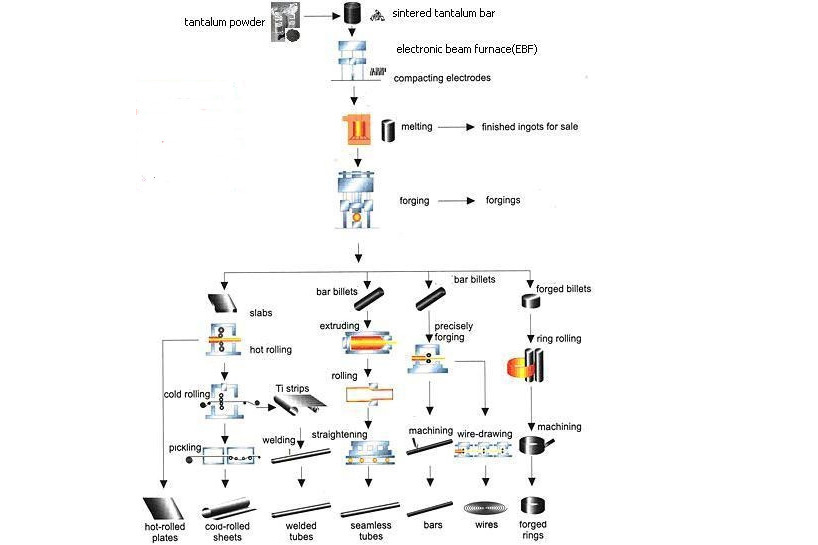
Tantalum was discovered by Swedish chemist A.G. Ekeberg in 1802. It was named after the Greek mythology figure Tantalus. Tantalum is mainly present in tantalite and co-exists with niobium. Tantalum has moderate hardness is full of ductility and can be drawn into filament-thin foil. Tantalum has excellent chemical properties and very high corrosion resistance. Due to its excellent corrosion resistance, tantalum is widely used in electronics, metallurgy, steel, chemical, carbide, atomic energy, superconducting technology, automotive electronics, aerospace, and the medical industry.
The main application of tantalum powder:
Tantalum powder is mainly used in electronic circuits and capacitors. Tantalum powder is the main component in medical devices and automotive parts. Tantalum powder can be found in equipment such as laptops, mobile phones, flat-panel TVs, and battery chargers.
The main application of tantalum plate:
Tantalum plate has very strong corrosion resistance, which is second only to gold and platinum. Therefore, tantalum plate is widely used in chemical reaction equipment such as the coating of reactors, valves, heat exchangers, protection systems, and water tanks. Tantalum plates can also be used for the production of corrosion-resistant tantalum fasteners such as screws, nuts, bolts, and threaded rods.
The main application of tantalum wire and tantalum rod:
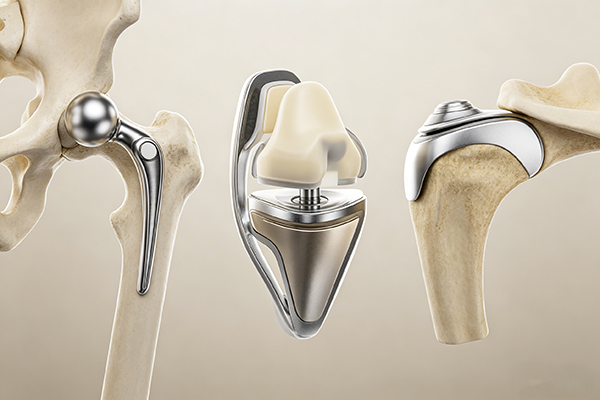
Due to the biocompatibility of tantalum, tantalum wire is widely used in the medical field. It can be used as the main material for repairing joints and bones. It can also be used as a suture clip and vascular stent in medical devices. Tantalum rod is the raw material from which tantalum wire is made. It can also be used to produce tantalum crucible, which is mainly used in high-temperature furnaces, and is used in crystal, rare earth, and metallurgical industries.
The application of tantalum in the alloy:
Gap atoms in tantalum and steel such as C and N have extremely high affinity. And the compounds formed with them are highly stable even in high temperatures. Research has shown that the addition of tantalum can greatly increase the strength of the alloy. However, currently, it is only limited to the research stage with few applications.
 Chin Trento