Products
 Bars
Bars
 Beads & Spheres
 Bolts & Nuts
 Crucibles
 Discs
Discs
 Fibers & Fabrics
 Films
Films
 Flake
Flake
 Foams
Foams
 Foil
Foil
 Granules
 Honeycombs
 Ink
Ink
 Laminate
 Lumps
Lumps
 Meshes
 Metallised Film
 Plate
Plate
 Powders
 Rod
Rod
 Single Crystals
 Sputtering Target
 Tubes
Tubes
 Washer
 Wires
Wires
 Converters & Calculators
 Write for Us



How Chromium Affects The Body

Introduction
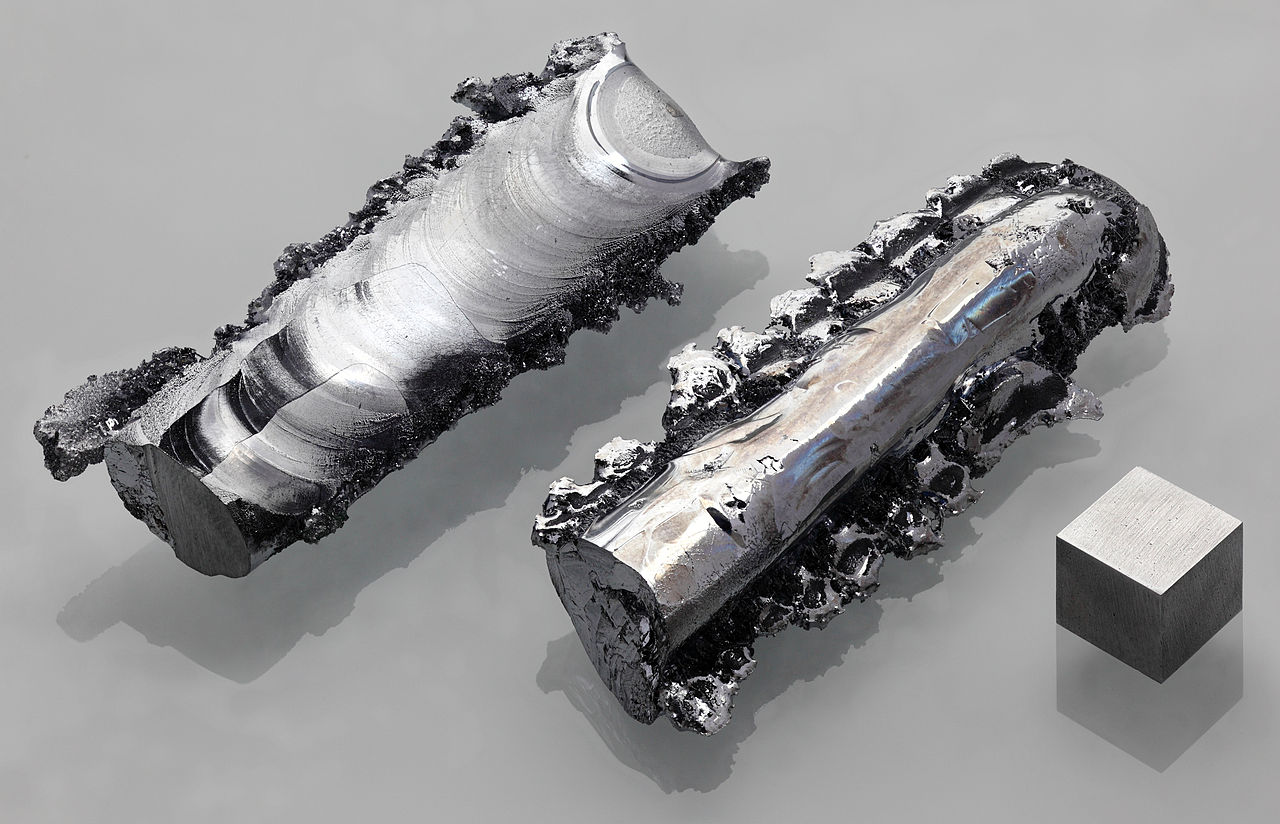
Chromium, denoted by the chemical symbol Cr and atomic number 24, emerges as a versatile metal with a silver sheen and remarkable properties. This article delves into the multifaceted world of chromium, exploring its applications in alloys, particularly stainless steel, and unraveling its essential role as a trace element crucial for human health.
Chromium in Alloys: Crafting Resilience
The predominant application of chromium lies in alloy production, notably stainless steel, where chromium content exceeds 12%. Stainless steel, lauded for its toughness, mechanical strength, and corrosion resistance, finds extensive use in diverse industries. In horology, the "all-steel watch" epitomizes the prevalence of chromium-containing stainless steel, constituting over 60% of the watch's total weight. The resilience of chromium alloys extends to medical devices like scalpels and syringe needles, ensuring cleanliness, aesthetics, and durability. Even maritime engineering benefits, with ships and motorboats constructed from chromium alloys, eliminating the need for protective coatings.
Chromium in Health: Unraveling Essentiality
Beyond its industrial prowess, chromium emerges as an essential trace element for the human body, exerting a profound influence on sugar and lipid metabolism. Collaborating with hormones, insulin, enzymes, and genetic materials, chromium plays a pivotal role in metabolic control. The human body's utilization rates differ significantly between inorganic and organic chromium, with the latter exhibiting higher efficiency.
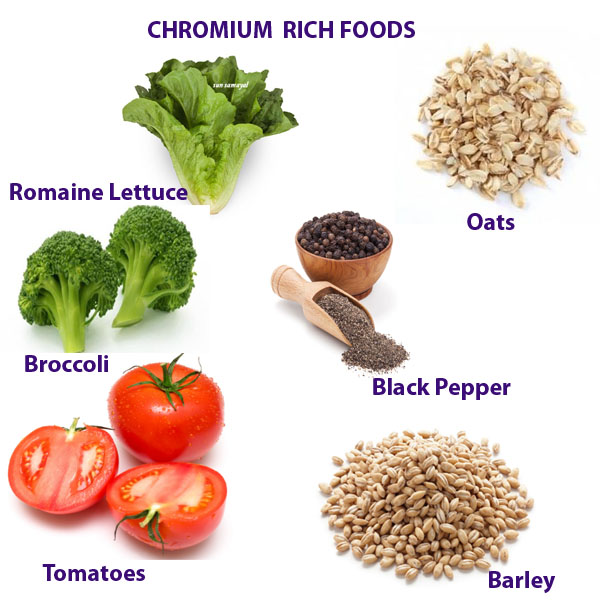
Chromium-Rich Foods
Natural foods contain relatively low levels of chromium, primarily in trivalent form. Foods rich in chromium include:
- Whole grains
- Broccoli
- Nuts
- Green beans
- Brewer's yeast
Metabolism Harmony
The physiological functions of chromium integrate seamlessly with metabolic regulators, contributing to overall health. While the human body's absorption of inorganic chromium remains low, organic chromium showcases enhanced efficiency, with utilization rates ranging from 10-25%.
Chromium's Health Dynamics: Trivalent vs. Hexavalent
It is imperative to differentiate between the two main valence states of chromium concerning health implications. Trivalent chromium, an element beneficial to the human body, plays a crucial role in metabolic functions. In contrast, hexavalent chromium, 100 times more toxic than its trivalent counterpart, poses health risks. Human exposure to hexavalent chromium, often associated with industrial processes, can lead to absorption and accumulation within the body.
Transformative Potential
Notably, trivalent and hexavalent chromium can convert between each other, showcasing the dynamic interplay within the human body. This transformative potential underscores the importance of maintaining a balance to harness the benefits of chromium while mitigating potential health risks.
Conclusion
In conclusion, chromium emerges as a material of dual significance – a stalwart in alloy engineering and an essential element for human health. From the gleaming structures of stainless steel to the intricate metabolic dance within the human body, chromium plays a vital role. Stanford Advanced Materials, recognizing the pivotal role of chromium, remains committed to advancing its applications and contributing to both industrial and health realms.
 Chin Trento