Products
 Bars
Bars
 Beads & Spheres
 Bolts & Nuts
 Crucibles
 Discs
Discs
 Fibers & Fabrics
 Films
Films
 Flake
Flake
 Foams
Foams
 Foil
Foil
 Granules
 Honeycombs
 Ink
Ink
 Laminate
 Lumps
Lumps
 Meshes
 Metallised Film
 Plate
Plate
 Powders
 Rod
Rod
 Single Crystals
 Sputtering Target
 Tubes
Tubes
 Washer
 Wires
Wires
 Converters & Calculators
 Write for Us



Are Tantalum Capacitors Electrolytic

Tantalum belongs to group 5 of the periodic table, along with V and Nb. The element has an atomic number of 73, an atomic mass of 181, one oxidation state (+5), and two stable isotopes, of which 181 Ta is the most abundant at 99.99% of the total mass.
Tantalum is a lithophile element with chalcophile affinities. Tantalum is almost exclusively found in complex oxide and hydroxide minerals, with the exception of the borate mineral behierite and the only known non-oxide, tantalum carbide TaC.
Common Ta minerals include tantalite (Fe, Mn)(Ta, Nb)2O6, formanite YTaO4, and mikrolithe. Tantalum is nearly always found in association with Nb. The most common host minerals for Ta in igneous rock types include pyroxene, amphibole, biotite, ilmenite, and sphene.
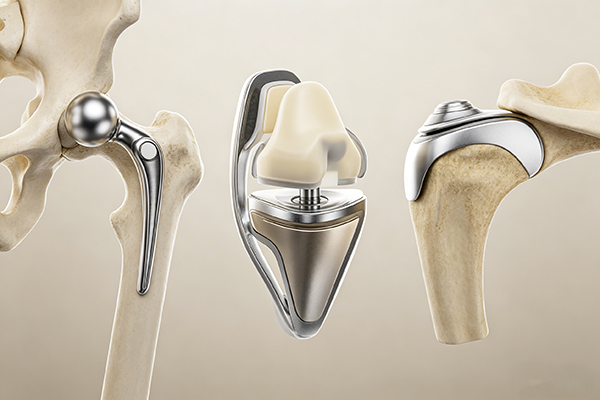
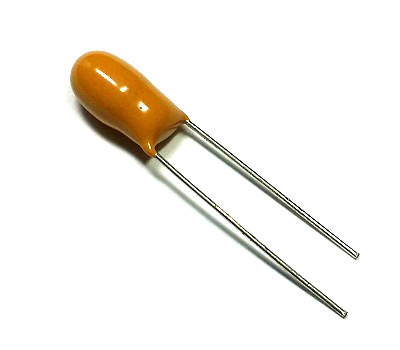
Tantalum is mainly used to make electrolytic capacitors and vacuum furnace parts, which account for about 60% of its use. The metal is also widely used to fabricate chemical process equipment, nuclear reactors, aircraft and missile parts, and carbide tools for metalworking equipment. Because of its biologically inert characteristics, it is also used in medical applications for plates or disks to replace cranial defects, for wire sutures, and for making prosthetic devices. Tantalum has also been used in firearms manufacture and may have led to elevated concentrations of Ta around military installations.
Tantalum is considered to be a non-essential element, although almost nothing is known about its abundance in living organisms, and little is known of the environmental impacts of Ta. Its poor solubility and mobility imply that toxicological effects are probably insignificant, at least at current environmental concentrations. Its products such as tantalum mesh are widely used.
 Chin Trento