
 Products
 Bars
Bars
 Beads & Spheres
 Bolts & Nuts
 Crucibles
 Discs
Discs
 Fibers & Fabrics
 Films
Films
 Flake
Flake
 Foams
Foams
 Foil
Foil
 Granules
 Honeycombs
 Ink
Ink
 Laminate
 Lumps
Lumps
 Meshes
 Metallised Film
 Plate
Plate
 Powders
 Rod
Rod
 Single Crystals
 Sputtering Target
 Tubes
Tubes
 Washer
 Wires
Wires
 Converters & Calculators
 Write for Us



How to Use Cerium Oxide

Introduction
Cerium, a prevalent rare-earth metal abundant in the Earth's crust, finds diverse applications across pharmaceuticals and industries. Among its various forms, cerium dioxide, or ceria, has gained substantial attention in the global nanotechnology market, owing to its pivotal role in catalysts, fuel cells, and fuel additives. This article delves into the multifaceted use of cerium oxide, shedding light on its applications and addressing environmental concerns.
The Rich History of Cerium
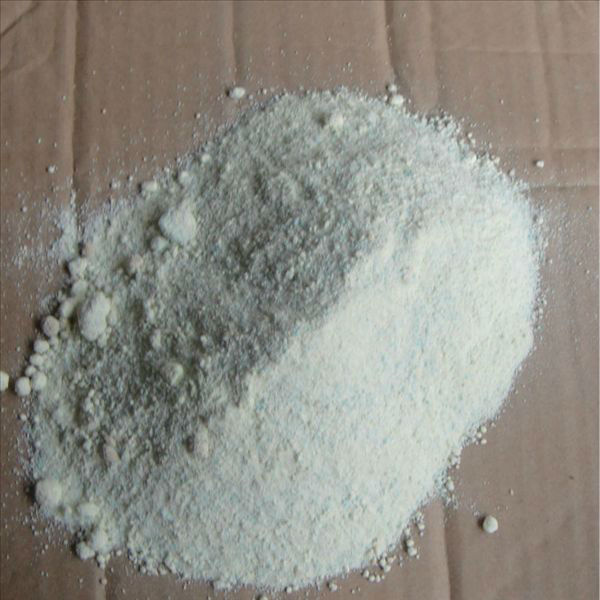
The discovery of cerium in oxide form dates back to 1803, with simultaneous reports from scientists in Sweden and Germany. Jons Jacob Berzelius in Sweden coined the term "ceria" for this oxide. Cerium is commonly found in various mineral classes, including carbonates, phosphates, silicates, oxides, and hydroxides. Industrial sources predominantly involve minerals like bastnäsite and monazite.
Applications of Cerium Oxide
Cerium oxide's insolubility in water and dilute acid makes it a versatile material with a spectrum of applications. One of its primary uses is as an abrasive, employed in the grinding and polishing of various materials. Historically, it played a crucial role in polishing specialized glass, such as telescope mirrors. Beyond abrasives, cerium oxide finds application in heat-resistant alloy coatings and ceramic coatings.
Further Reading: Cerium Oxide Applications in Polishing, Decolorization, and Clarification
Nanotechnology Marvel: CeO2 Nanoparticles
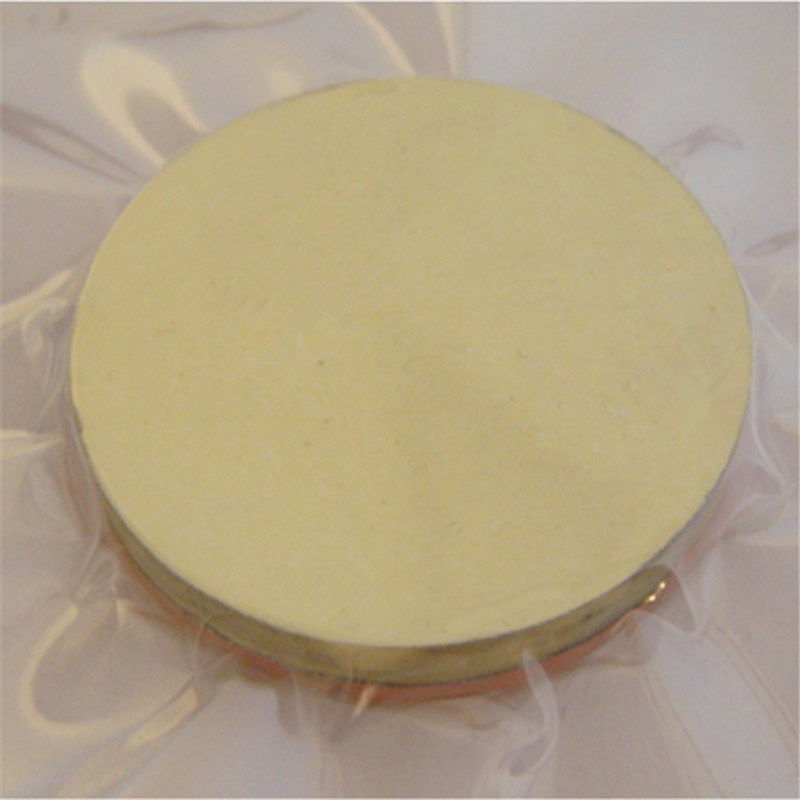
Cerium dioxide nanoparticles (CeO2 NPs) have emerged as nanotechnological marvels, contributing significantly to catalysts, fuel cells, and electronics manufacturing. However, the increasing production of CeO2 nanoparticles in industrial processing plants raises environmental concerns. Predictions from mass flow modeling studies indicate that these nanoparticles may enter terrestrial environments, impacting landfills and soils.
Environmental Fate and Challenges
Understanding the environmental fate of CeO2 nanoparticles is crucial, particularly in low-temperature geochemical environments. Challenges arise in detecting and quantifying these nanoparticles in different environmental media. Reports suggest exposure of aquatic and terrestrial organisms to CeO2 NPs, highlighting potential risks to human and ecosystem health. The contradictory findings on the toxicological effects, acting both as an antioxidant and a reactive oxygen species producer, pose challenges for future regulations and risk assessments.
Conclusion
Cerium oxide, with its rich history and diverse applications, stands as a testament to the ingenuity of materials science. From traditional uses in polishing to cutting-edge applications in nanotechnology, cerium oxide continues to play a pivotal role. However, as we harness its potential, responsible practices, and environmental considerations must guide its application to ensure a sustainable and harmonious coexistence with our planet.
 Chin Trento