Products
 Bars
Bars
 Beads & Spheres
 Bolts & Nuts
 Crucibles
 Discs
Discs
 Fibers & Fabrics
 Films
Films
 Flake
Flake
 Foams
Foams
 Foil
Foil
 Granules
 Honeycombs
 Ink
Ink
 Laminate
 Lumps
Lumps
 Meshes
 Metallised Film
 Plate
Plate
 Powders
 Rod
Rod
 Single Crystals
 Sputtering Target
 Tubes
Tubes
 Washer
 Wires
Wires
 Converters & Calculators
 Write for Us



Superior Performance of Alumina Ceramic Substrates in the Automobile Industry

Alumina ceramic substrates are gaining importance in the automobile industry. They help improve car performance, reduce fuel consumption, and cut down exhaust pollution. As technology evolves, car manufacturers increasingly use new materials and processes. These innovations help make cars lighter, more affordable, and more efficient. Alumina ceramic substrates are playing a key role in these advancements. They reduce vehicle weight, improve engine efficiency, and extend the life of car parts.
Application in Automobile Engines
Alumina ceramic substrates can withstand temperatures over 1,000 degrees Celsius. This allows them to be used in new ways in cars. For example, they are vital in reducing diesel engine fuel consumption by more than 30%. Currently, gasoline engines lose about 78% of their combustion energy to heat. Diesel engines are more efficient at 33%, but they still lose over 60% of their heat energy. To reduce this loss, engineers use alumina ceramics to insulate the combustion chamber. The ceramics help keep the heat inside, improving fuel efficiency. Exhaust turbochargers and power turbines are also used to recover lost exhaust energy.
Research shows that these methods can increase thermal efficiency to 48%. Alumina ceramic substrates also allow diesel engines to start quickly. This improves overall performance and makes cars more fuel-efficient.
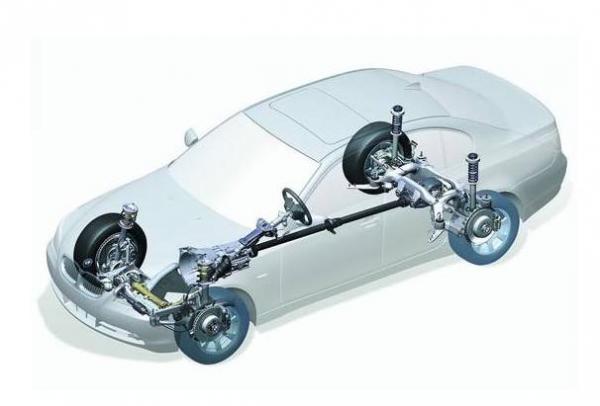
Use in Automotive Sensors
Modern cars use many sensors to work well. These sensors must handle tough conditions and keep working for a long time. They also need to be small, light, and strong. Alumina ceramic substrates are perfect for these sensors. They resist heat, corrosion, and wear. They also have special electromagnetic and optical properties, which makes them good for advanced uses. Sensors made from alumina ceramics meet these strict needs. They are often used in cars to detect pressure, temperature, and other important factors.
Role in Automobile Shock Absorbers
Alumina ceramics are also found in advanced shock absorbers used in high-end cars. These shock absorbers use the piezoelectric effect and electrostrictive properties of alumina ceramics. The ceramics help the shock absorbers detect the road surface and adjust themselves automatically. This reduces vibrations and provides a smoother ride, even on rough roads. As a result, passengers experience greater comfort, and vehicle components endure less stress, extending their lifespan.
Benefits in Electric Vehicles (EVs)
Alumina ceramic substrates are very useful in electric vehicles (EVs). EVs produce a lot of heat in their batteries and power systems. Alumina ceramics provide strong insulation, keeping temperatures at safe levels. This prevents battery cells and other parts from overheating, which can harm performance or cause damage. Alumina ceramics are also lightweight, helping to lower the overall weight of EVs. This makes the cars more energy-efficient and allows them to drive longer distances on a single charge.
Impact on Emission Control
Alumina ceramic substrates help control vehicle emissions. They are used in catalytic converters to cut down on harmful gases from cars. The ceramics provide a strong base for catalysts like platinum, palladium, and rhodium. These catalysts change toxic gases into less harmful ones. This is crucial as environmental rules get stricter around the world. Alumina ceramics help cars meet these rules by reducing emissions and keeping the air cleaner.
Conclusion
Alumina ceramic substrates offer many benefits for the automotive industry. They boost engine performance, improve sensors, provide better shock absorption, and help reduce emissions. Although there are challenges in developing these materials, their potential is huge. As technology advances, alumina ceramics will find even more uses in cars, making them smarter, safer, and more efficient.
Stanford Advanced Materials (SAM) is committed to providing high-quality alumina ceramic substrates and other advanced materials to support the automotive industry. Visit our website to learn more about our products and how they can benefit your automotive needs.
 Chin Trento