Products
 Bars
Bars
 Beads & Spheres
 Bolts & Nuts
 Crucibles
 Discs
Discs
 Fibers & Fabrics
 Films
Films
 Flake
Flake
 Foams
Foams
 Foil
Foil
 Granules
 Honeycombs
 Ink
Ink
 Laminate
 Lumps
Lumps
 Meshes
 Metallised Film
 Plate
Plate
 Powders
 Rod
Rod
 Single Crystals
 Sputtering Target
 Tubes
Tubes
 Washer
 Wires
Wires
 Converters & Calculators
 Write for Us



Magnesium Alloys: AZ91, WE43, and Mg-Al-Ca in Modern Engineering

Introduction
Weight reduction without sacrificing performance has been the central challenge of today's engineering world. Engineers in automotive and aerospace industries, handheld electronics and medical devices, are constantly seeking materials that are light, yet strong, and consistent. Among metals, magnesium alloys have been one of the most promising choices. At 1.74 g/cm³, magnesium weighs about two-thirds less than aluminum and nearly a quarter less than steel. This excellent weight advantage, in addition to being attractive from a mechanical standpoint, makes magnesium alloys the best option for applications in which grams count.
Among magnesium's big family of alloys, certain compositions have proven particularly well adapted for lightweight structural applications. AZ91, WE43, and Mg-Al-Ca alloys are good examples, each with its own distinct balance of strength, corrosion resistance, and workability. Familiarity with their properties, advantages, and typical uses helps engineers select the right material for specific design requirements.
AZ91: The Reliable Workhorse
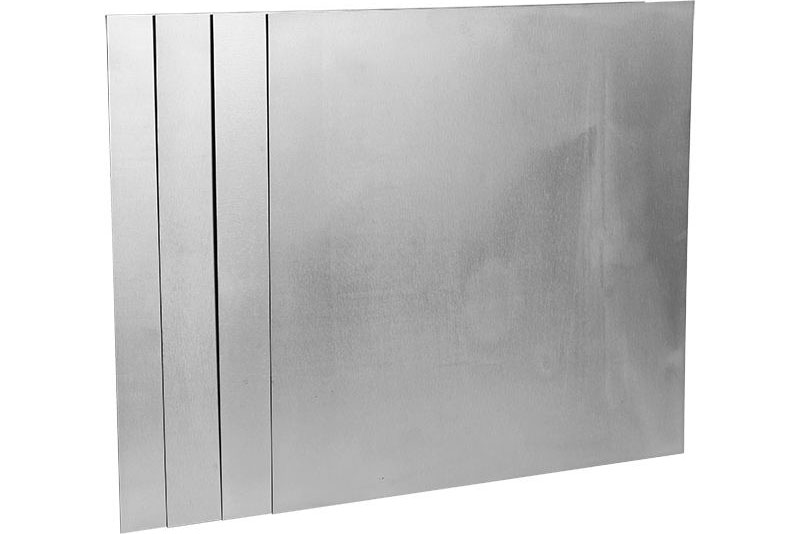
Of the magnesium alloys, AZ91 stands out due to its widespread use and applicability. "AZ91" in its name describes its primary alloying elements: approximately 9% aluminum and 1% zinc. The alloy has a good balance of low weight performance as well as corrosion resistance, and thus AZ91 is widely used where economy is a consideration.
Good castability is one of the primary advantages of AZ91. The alloy can be die-cast into complex geometries with low defects, and this is essential for automotive and consumer electronics parts. The mechanical properties of the alloy are high enough for most structural purposes while still having a comparatively good level of ductility. The alloy is also more corrosion-resistant than many other magnesium alloys, and this enhances its service life where exposure to moisture or mild chemicals is expected.
AZ91 is widely used in automobile parts, including engine covers, transmission housings, and structural inner parts. Its light weight, strength, and resistance to corrosion have made it one of the world's most produced magnesium alloys.
Further reading: The Four Major Applications of Magnesium Alloys
WE43: High-Performance Alloy
While AZ91 excels in light, cost-effective applications, there are certain engineering issues that require alloys with more thermal stability and strength. Enters WE43. WE43 is a rare earth magnesium alloy, primarily alloyed with yttrium (Y) and other rare earth elements (RE), such as neodymium and gadolinium.
The introduction of these rare earth elements provides WE43 with exceptional high-temperature characteristics and creep resistance, making it suitable for aerospace, high-performance vehicle, and even medical applications. Unlike conventional magnesium alloys, WE43 does not deteriorate at high temperatures with a great loss of mechanical strength, which makes it valuable for engine components, structural panels, and other harsh applications.
Besides thermal performance, WE43 is also known to exhibit good corrosion resistance, especially after surface treatment of suitable kinds. Although heavier on the pocket than AZ91 because it contains rare-earth elements, the performance benefits weigh the cost in high-consequence applications. WE43 has already been deployed in aircraft structural components, high-performance engine components, and even biodegradable medical implants, proving the potential of magnesium alloys to be tailored for specific performance demands when optimized.
Mg-Al-Ca Alloys: Lightweight Solutions of the Future
Recent research has included Mg-Al-Ca alloys as a very promising candidate for lightweight, corrosion-resistant use. Magnesium is primarily alloyed with aluminum and calcium in these alloys to create products that have low density, acceptable mechanical properties, and enhanced environmental stability.
The addition of calcium adds corrosion resistance and provides additional thermal stability, while aluminum is included for its mechanical strength. The alloys are particularly attractive for applications on products where long-term use in humid or mildly corrosive environments is expected, such as automotive body panels and aerospace interior parts. Other biomedical uses have also been explored for some Mg-Al-Ca compositions, taking advantage of magnesium's native biocompatibility and slow physiological biodegradation.
The combined properties of strength, lightness, and corrosion resistance in Mg-Al-Ca alloys place them in a solid position as the engineering material of tomorrow. Further research keeps refining their composition and processing techniques, like casting, extrusion, and additive manufacturing, to render them more beneficial.
How to Choose the Best Magnesium Alloy
Choice of the appropriate magnesium alloy is a careful balance among the requirements of the application, including mechanical properties, corrosion resistance, manufacturability, and cost. AZ91 remains a mature, cost-effective solution for the majority of automotive and consumer electronics applications. WE43 provides premium performance for elevated temperature or elevated stress applications, particularly in aerospace and medical applications. Mg-Al-Ca alloys are a new class that provides a balance of corrosion resistance and lightweight characteristics appropriate to both structural and biomedical applications. For more alloy products, please check Stanford Advanced Materials (SAM).
 Chin Trento