
 Products
 Bars
Bars
 Beads & Spheres
 Bolts & Nuts
 Crucibles
 Discs
Discs
 Fibers & Fabrics
 Films
Films
 Flake
Flake
 Foams
Foams
 Foil
Foil
 Granules
 Honeycombs
 Ink
Ink
 Laminate
 Lumps
Lumps
 Meshes
 Metallised Film
 Plate
Plate
 Powders
 Rod
Rod
 Single Crystals
 Sputtering Target
 Tubes
Tubes
 Washer
 Wires
Wires
 Converters & Calculators
 Write for Us



Zirconium: Properties, Applications, and Market Potential

Introduction
Zirconium (Zr), with an atomic number of 40, is a silvery metal known for its exceptional physical and chemical properties. It has a high melting point of 1855 °C (3371 °F), a density of 6.52 g/cm³, and excellent corrosion resistance. Its low neutron absorption cross-section makes it a critical material for nuclear power applications. Although zirconium was once primarily used in the nuclear industry, its applications have expanded significantly across various fields in recent decades.
Physical and Chemical Properties
Zirconium is a transition metal with unique characteristics:
- High Melting Point and Density: Ideal for high-temperature environments.
- Corrosion Resistance: A naturally forming oxide layer provides outstanding resistance in aggressive chemical environments, such as acetic and hydrochloric acids.
- Low Neutron Absorption: Critical for nuclear reactors, allowing efficient control of fission processes.
- Reactivity: Zirconium is stable in air and water at room temperature but reacts with oxygen, nitrogen, and halogens at high temperatures.
Key Applications of Zirconium and Its Compounds
1. Nuclear Power Industry
Zirconium's low neutron absorption and high thermal resistance make it indispensable for manufacturing nuclear fuel rods. Historically, up to 90% of global zirconium production has been consumed by the nuclear industry. This trend continues as the demand for nuclear energy rises worldwide.
2. Technical Ceramics
Zirconium dioxide (zirconia, ZrO2) is a vital compound for technical ceramics due to its exceptional hardness, wear resistance, and thermal stability. Applications include:
- Industrial Use: Cutting tools, grinding media, and components in high-temperature machinery.
- Dental and Medical Ceramics: Zirconia is widely used in dental crowns and implants due to its biocompatibility and strength.
- Jewelry: Transparent zirconia crystals resemble diamonds, making them popular in jewelry like zirconium rings.
3. Corrosion-Resistant Equipment
Zirconium metal and its alloys are widely used in harsh chemical environments due to their exceptional corrosion resistance. Common applications include:
- Electrode components.
- Flange bolts and tubing in chemical reactors.
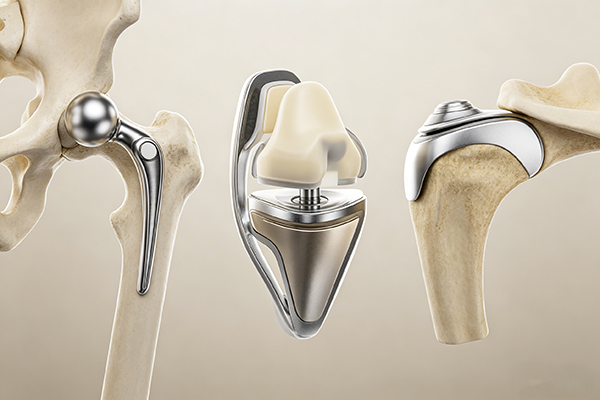
- Medical implants, benefiting from both corrosion resistance and biocompatibility.
4. Emerging Applications in Advanced Materials
Zirconium-based materials are critical in cutting-edge technologies:
- High-Temperature Superconductors: Zr crystal bars are key raw materials for superconductive components in advanced electronics.
- Amorphous Metals (Metallic Glass): Zirconium alloys enable the production of metallic glass, which offers superior wear resistance, hardness, and corrosion resistance. Innovations in cooling technology now allow the production of metallic glass at slower rates, making it more commercially viable.
Market Trends and Future Potential
The demand for zirconium is expected to grow significantly, driven by the following factors:
- Nuclear Power Expansion: Increasing investments in nuclear power plants worldwide require more nuclear-grade zirconium materials.
- Diverse Applications: Industries such as ceramics, jewelry, and medical equipment continue to find innovative uses for zirconium and its compounds.
- High Entry Barriers: The production of nuclear-grade zirconium is technologically demanding and capital-intensive, limiting market competition and ensuring a stable demand-supply balance.
Conclusion
Zirconium's unique combination of properties and adaptability across industries ensures its continued relevance in modern technology. From nuclear reactors and technical ceramics to cutting-edge materials like metallic glass, zirconium remains an indispensable element in innovation. As demand for high-performance materials grows, zirconium's applications are poised to expand further.
 Chin Trento