
 Products
 Bars
Bars
 Beads & Spheres
 Bolts & Nuts
 Crucibles
 Discs
Discs
 Fibers & Fabrics
 Films
Films
 Flake
Flake
 Foams
Foams
 Foil
Foil
 Granules
 Honeycombs
 Ink
Ink
 Laminate
 Lumps
Lumps
 Meshes
 Metallised Film
 Plate
Plate
 Powders
 Rod
Rod
 Single Crystals
 Sputtering Target
 Tubes
Tubes
 Washer
 Wires
Wires
 Converters & Calculators
 Write for Us



Is Silicon Carbide a Good Conductor of Electricity?

Introduction
Silicon Carbide (SiC) stands as a testament to the ingenuity of materials science, offering a diverse range of applications owing to its exceptional properties. In this exploration, we delve into the unique characteristics of silicon carbide and its significance in various industrial sectors.
The Versatility of Silicon Carbide
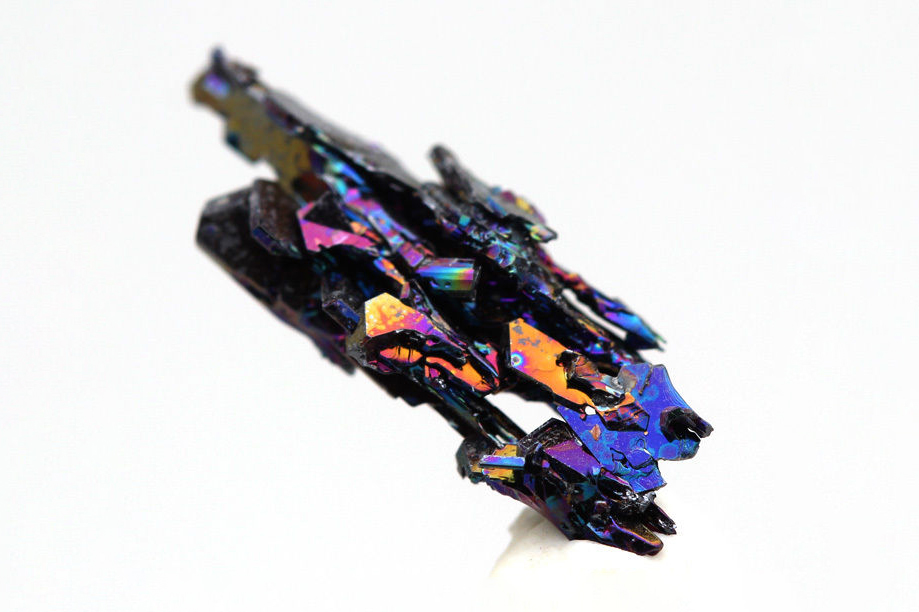
Silicon carbide, characterized by its bluish-black insoluble crystalline structure, is a robust compound synthesized through the high-temperature heating of carbon with sand. Beyond its use as an abrasive and refractory material, silicon carbide finds applications across diverse industries.
Related Reading: An Introduction to Silicon Carbide Abrasives
Applications Across Industries
The utility of silicon carbide extends to various critical applications, including slide bearings, sealing rings, wear parts, sintering aids, crucibles, semiconductor components, heating elements, and burner nozzles. Its versatile nature makes it a sought-after material for enhancing efficiency, reliability, and thermal management.

The Semiconductor Advantage
One of the remarkable features of silicon carbide is its capacity to function as a semiconductor material. This unique property positions it favorably in applications where improvements in resistivity and electrical conductivity are crucial. Silicon carbide plays a pivotal role in semiconductor technology, contributing to advancements in electronic components.
Specific Properties of Silicon Carbide
Silicon carbide boasts specific properties that make it an unparalleled material in various industrial contexts:
- High Hardness: Exhibiting a Mohs hardness greater than 9, silicon carbide is exceptionally hard.
- Chemical Inertness: Resistant to chemical reactions, it maintains stability in harsh environments.
- High Thermal Conductivity: Efficiently conducts heat, making it valuable in thermal management applications.
- Low Coefficient of Thermal Expansion: Exhibits minimal expansion and contraction with temperature changes.
- Strength at High-Temperature Ranges: Maintains structural integrity in elevated temperature conditions.
- Electrical Conductivity: Serves as a competent electrical conductor.
- Abrasion / Wear Resistance: Exhibits remarkable resistance to abrasion and wear.
Production Process
Silicon carbide is meticulously produced through the heating of silica sand and a carbon source, typically petroleum coke, in a specialized "Acheson" furnace. This high-temperature process results in the formation of crystalline silicon carbide grains, available in both Green and Black variants. The distinction in color correlates with the purity of the silicon carbide, with Green SiC indicating higher purity than Black SiC.
Related Reading: Methods to Produce Silicon Carbide and Their Advantages
Conclusion
In conclusion, the multifaceted properties of silicon carbide position it as a material of unparalleled value in various industries. From its remarkable hardness and wear resistance to its role as a semiconductor and electrical conductor, silicon carbide continues to shape advancements in efficiency and reliability. As a leading provider of advanced materials, Stanford Advanced Materials remains at the forefront of promoting the applications of silicon carbide in cutting-edge industrial technologies.
 Chin Trento