Products
 Bars
Bars
 Beads & Spheres
 Bolts & Nuts
 Crucibles
 Discs
Discs
 Fibers & Fabrics
 Films
Films
 Flake
Flake
 Foams
Foams
 Foil
Foil
 Granules
 Honeycombs
 Ink
Ink
 Laminate
 Lumps
Lumps
 Meshes
 Metallised Film
 Plate
Plate
 Powders
 Rod
Rod
 Single Crystals
 Sputtering Target
 Tubes
Tubes
 Washer
 Wires
Wires
 Converters & Calculators
 Write for Us



Application of Zirconium Compounds in Life

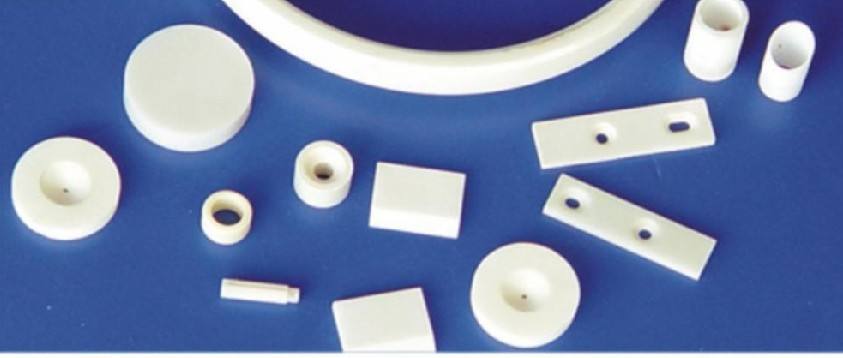
Zirconia Ceramic in Life
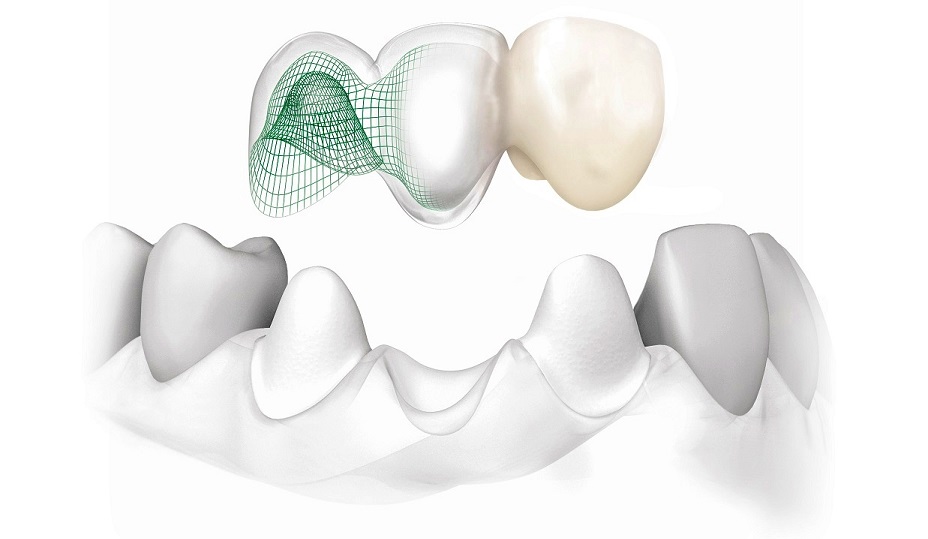
The most common form of zirconium compounds in life is the presence of various ceramics in the form of oxides. In stomatology, an all-porcelain denture that uses zirconia as its main component has gradually replaced metal teeth, porcelain teeth, and so on.
Zirconium is the main nuclear material, so the public is very concerned that all-porcelain dentures contain radioactive nuclear elements, which are harmful to the human body. This is especially true for dentures, which are directly implanted into the oral cavity of humans. This may cause direct radioactivity in the oral cavity. However, experts have confirmed that zirconium dioxide materials are very stable and that they will not dissociate. Its affinity and compatibility with the human oral tissue are very high. It is by far the safest repair material for oral denture fixing. Moreover, zirconia all-porcelain denture has good abrasion resistance and appearance.
Zirconium Silicate in Life
Also common in daily lives are ceramic tiles containing zirconium silicate. There have been reports that the content of radioactive nuclear elements of ceramic tiles that are too white exceeds the standards, resulting in the widespread “theory of ceramic tiles causing cancer” in society. Radioactive elements can cause malignant tumors, which usually induce cell lesions, leading to leukemia, lymphoma, skin cancer and other blood cancers. In terms of the theory that the radioactivity of ceramic tiles exceeding the standards will lead to malignant tumors, there has not yet been any medical case of illness and related records. However, it’s advisable that consumers don’t blindly focus on whiteness when buying ceramic tiles.
Zircon Jewelry in Life
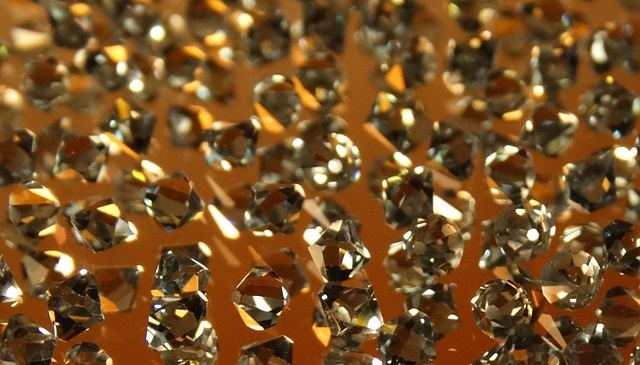
Most women like shiny jewelry. Colorless and transparent zircon that has been carved and polished is an inexpensive quality decorative material. It is very similar to a diamond. The refractive index of zircon is close to 2. Its dispersion is similar to that of the diamond. With a colored light, zircon is the best substitute for diamond. Currently, due to its low price, zircon has become the leader in middle- and low-tier gems. The main difference between diamonds and zircons is that the diamonds are even bodies, which are all black under orthogonally polarized mirrors, whereas the zircons have four bright sides and four dark sides, and from the top surface we can see that the bottom surface and ridgelines have evident double shadow.
Conclusion
Thank you for reading our article and we hope it can help you to have a better understanding of zirconium compounds used in our life. If you want to learn more about zirconium compounds, we would like to advise you to visit Stanford Advanced Materials (SAM) for more information.
Stanford Advanced Materials (SAM) is a worldwide supplier of zirconium compounds and has over two decades of experience in the manufacture and sale of zirconium products, providing high-quality products to meet our customers' R&D and production needs. As such, we are confident that SAM will be your favorite zirconium supplier and business partner.
 Chin Trento