Products
 Bars
Bars
 Beads & Spheres
 Bolts & Nuts
 Crucibles
 Discs
Discs
 Fibers & Fabrics
 Films
Films
 Flake
Flake
 Foams
Foams
 Foil
Foil
 Granules
 Honeycombs
 Ink
Ink
 Laminate
 Lumps
Lumps
 Meshes
 Metallised Film
 Plate
Plate
 Powders
 Rod
Rod
 Single Crystals
 Sputtering Target
 Tubes
Tubes
 Washer
 Wires
Wires
 Converters & Calculators
 Write for Us



Applications of Molybdenum and Its Alloy

With the development of science and technology, the application of molybdenum in high-tech and other fields has also been increasing. Next, let's take a look at the application of molybdenum and its alloys.
Iron and Steel Industry
Molybdenum is a good element that forms carbides and will not be oxidized during the steelmaking process. It can be used alone or together with other alloying elements. Molybdenum is used together with chromium, nickel, manganese, and silicon to produce different types of stainless steel, tool steel, high-speed steel, and alloy steel.
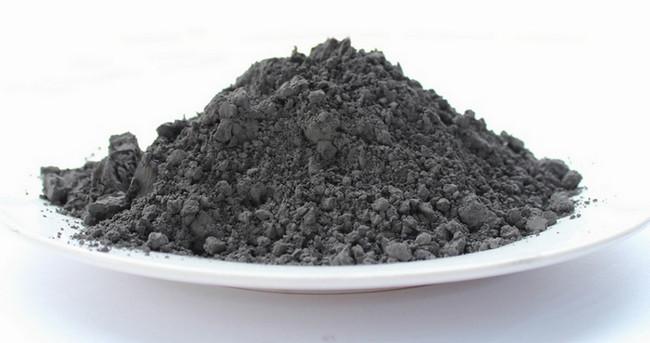
Electrical and Electronic Industry
Molybdenum has good electrical conductivity and high-temperature performance, especially since the thermal expansion coefficient of glass is very close, so it is widely used in the core wire, lead wire, side rod, and other parts of the spiral filament in the bulb, and used as the grid and anode support material in the electron tube.
In addition to the use of pure molybdenum in the modern electronics industry, Mo-Re alloys can be used as structural materials for electron tubes and special bulbs, and Mo-50Re and TZM alloys can also be used as structural components of thermionic cathodes in high-power microwave tubes and millimeter-wave tubes.
Car Coating
The melting point of molybdenum is as high as 2620°C, and it has good high-temperature performance and corrosion resistance and has a strong bonding force with steel. Therefore, it is the main thermal spraying material in the production of automobile parts. Thermal spray materials can significantly improve the performance of piston rings, synchronizer rings, shift forks, and other worn parts, and are also used to repair worn crankshafts, rolls, shafts, and other mechanical parts.
High-Temperature Components
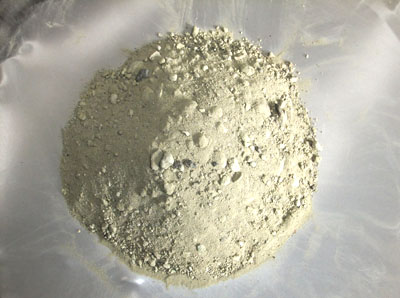
Molybdenum has high purity, good high-temperature resistance, and low vapor pressure, so it is often used to make heating elements and structural materials for high-temperature furnaces. Molybdenum has good ablation resistance in molten quartz. It is often used as an electrode for energization and melting in the glass industry, and its service life can reach more than one year.
In addition to being used as an electrode, molybdenum can also be used as a high-temperature structural material for glass melting, such as guide grooves and pipes. The use of molybdenum instead of platinum on the glass fiber drawing furnace has a good effect, which greatly reduces the production cost. In addition, molybdenum and its alloys can also be used for hot isostatic pressing, heat shields, sintering steaming paint boats, etc.
Oil Exploitation
Molybdenum can not only be used in oil and gas field drilling pipelines but is also often combined with cobalt and nickel as a catalyst for petroleum refining and pretreatment, mainly for the desulfurization of petroleum, petrochemical products, and liquefied coal. Molybdenum plays an important role in petroleum cracking and reforming and is an ideal electron donor and carrier.
Conclusion
Thank you for reading our article. In addition to the above-mentioned uses, molybdenum, and its alloys can also be used in other fields such as nuclear industry, aerospace, and environmental protection. If you want to learn more about molybdenum and its alloy, we would like to advise you to visit Stanford Advanced Materials (SAM) for more information.
Stanford Advanced Materials (SAM) is a worldwide molybdenum supplier and has over two decades of experience in the manufacture and sale of molybdenum products, providing high-quality products to meet our customers' R&D and production needs. As such, we are confident that SAM will be your favorite molybdenum supplier and business partner.
 Chin Trento