
 Products
 Bars
Bars
 Beads & Spheres
 Bolts & Nuts
 Crucibles
 Discs
Discs
 Fibers & Fabrics
 Films
Films
 Flake
Flake
 Foams
Foams
 Foil
Foil
 Granules
 Honeycombs
 Ink
Ink
 Laminate
 Lumps
Lumps
 Meshes
 Metallised Film
 Plate
Plate
 Powders
 Rod
Rod
 Single Crystals
 Sputtering Target
 Tubes
Tubes
 Washer
 Wires
Wires
 Converters & Calculators
 Write for Us



What are The Main Military Functional Materials?

Functional materials are special materials that can convert energy from one form to another. They achieve this through effects like sound, light, electricity, magnetism, heat, chemistry, and biochemistry. These materials play a crucial role in advanced applications, especially in the military. Examples include photoelectric materials, hydrogen storage materials, damping materials, and stealth materials.
Photoelectric Functional Materials
Photoelectric functional materials are used in photoelectron technology. They help transmit and process information by combining light and electricity. These materials are key to modern information technology. The military relies on them for various applications. For example, cadmium telluride mercury and indium antimonide are essential for infrared detectors. Zinc sulfide, zinc selenide, and gallium arsenide are used in infrared detection systems. They make up windows, hoods, and fairings for aircraft, missiles, and ground weapons. Magnesium fluoride has high transmittance and resists rain erosion well. It is an excellent material for infrared transmission.
Hydrogen Storage Functional Materials
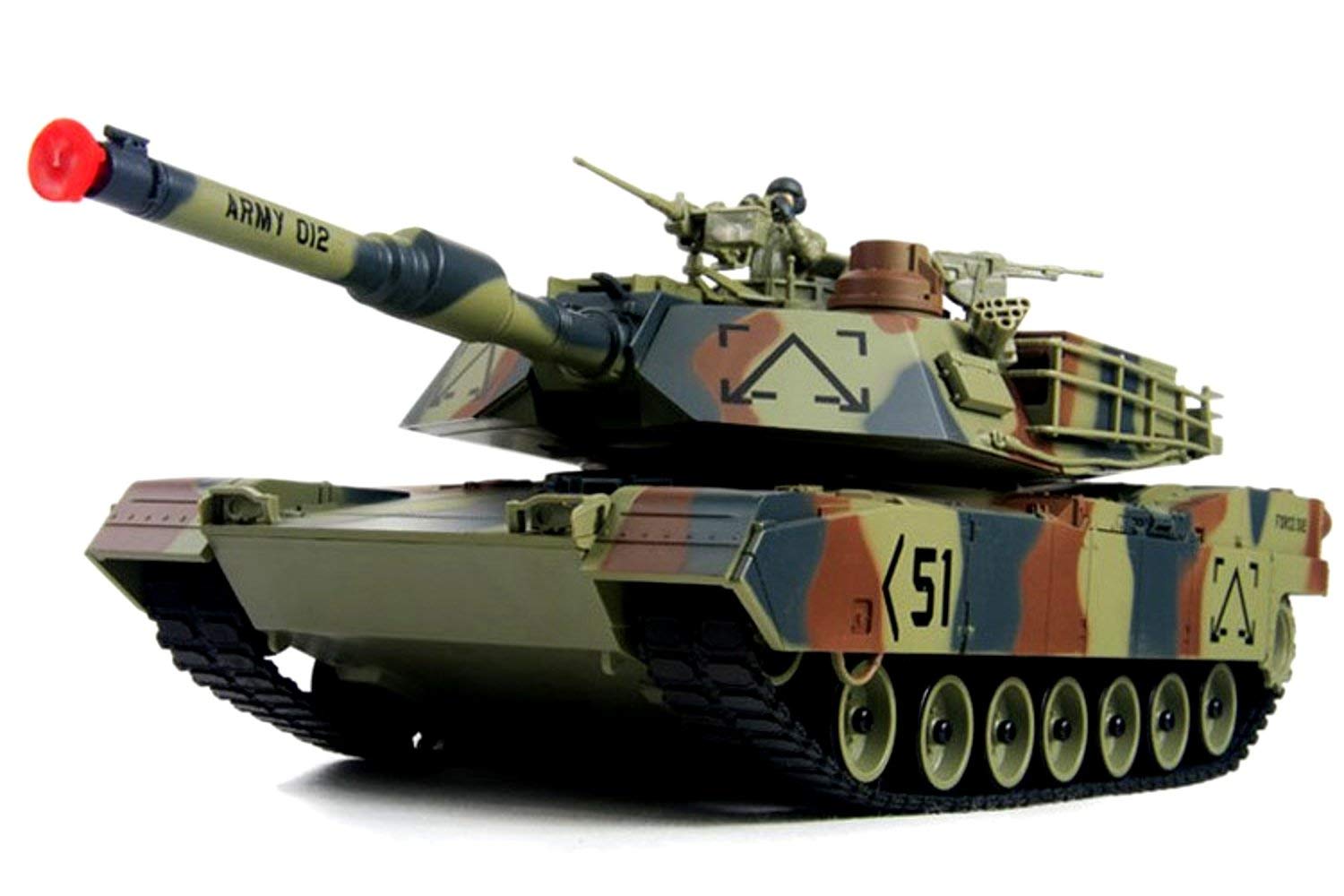
Hydrogen storage materials can store hydrogen atoms within the lattice structure of certain metals, alloys, and metal compounds. These materials form metal hydrides, which are highly useful. In the military, hydrogen storage materials improve power systems. Traditional lead-acid batteries in tank vehicles often need frequent replacement. This is due to their low capacity and high self-discharge rates. They also perform poorly in cold weather, which affects tanks' readiness. On the other hand, hydrogen storage alloy accumulators offer high energy density and resist overcharging. They perform well in low temperatures and last longer. These qualities make them promising for future main battle tank batteries.
Damping Materials
Damping materials reduce vibration and noise by turning mechanical energy into heat. This process is called damping. It is vital for maintaining the structure and silence of military equipment. High damping materials are important in the military. They minimize unwanted vibrations and reduce noise in vehicles and weapon systems.
Stealth Materials
Stealth materials are a key part of modern military technology. Precision strike weapons have made it harder for military equipment to survive. Relying only on stronger defenses is not enough anymore. Stealth technology, which includes stealth materials, is now essential. These materials help evade enemy detection and guidance systems. Stealth materials include millimeter-wave absorbing structures, millimeter-wave rubber materials, and multifunctional coatings. These materials weaken enemy radar and make it more difficult for enemies to detect and target military assets. These materials also provide camouflage across visible light, near-infrared, and far-infrared thermal imaging.
Thermal Management Materials
Thermal management is crucial in military electronics. Materials like heat sinks, phase change materials, and thermal interface materials help dissipate heat. They keep systems like radar, laser weapons, and communication devices cool. Proper thermal management prevents overheating and ensures reliable performance.
High-Strength Alloys and Composites
Military equipment needs materials that are both strong and lightweight. High-strength alloys and composites like titanium alloys and carbon fiber-reinforced polymers (CFRP) meet this need. They are used in vehicles, aircraft, and personal gear. These materials are strong, light, and resistant to corrosion. They also perform well in extreme conditions.
Electromagnetic Shielding Materials
Electromagnetic shielding materials protect military electronics from interference. These materials include conductive polymers, metal foams, and composite coatings. They shield sensitive components in communication devices, radar systems, and command centers. Effective shielding ensures reliable operation in electronic warfare environments.
Smart Materials
Smart materials respond to changes in temperature, pressure, or electric fields. In the military, these materials are used for adaptive camouflage, self-healing coatings, and responsive armor systems. Shape-memory alloys, for example, can change shape under specific conditions. This enhances the performance and durability of aircraft and missile components.
Ballistic Protection Materials
Ballistic protection is essential for military personnel and vehicles. Materials like Kevlar, ultra-high-molecular-weight polyethylene (UHMWPE), and advanced ceramics are used in body armor, helmets, and vehicle armor. These materials provide excellent protection against bullets, shrapnel, and explosions. They are also lightweight, ensuring mobility.
High-Energy Propellants and Explosives
The military needs powerful and efficient materials for weapons. High-energy propellants and explosives meet this need. They include composite propellants and enhanced-blast explosives. These materials are used in missiles, rockets, and munitions. They deliver greater range, accuracy, and destructive power.
Conclusion
Military functional materials are diverse and crucial for modern defense. They enhance energy storage, noise reduction, stealth, thermal management, and ballistic protection. As research advances, these materials will play an even bigger role in military technology.
Stanford Advanced Materials (SAM) offers a wide range of high-quality materials for military use. SAM provides solutions for photoelectric materials, hydrogen storage, damping, and stealth technology. These products are made to boost the effectiveness and efficiency of military operations.
 Chin Trento