Products
 Bars
Bars
 Beads & Spheres
 Bolts & Nuts
 Crucibles
 Discs
Discs
 Fibers & Fabrics
 Films
Films
 Flake
Flake
 Foams
Foams
 Foil
Foil
 Granules
 Honeycombs
 Ink
Ink
 Laminate
 Lumps
Lumps
 Meshes
 Metallised Film
 Plate
Plate
 Powders
 Rod
Rod
 Single Crystals
 Sputtering Target
 Tubes
Tubes
 Washer
 Wires
Wires
 Converters & Calculators
 Write for Us



Case Study: Adding Luster to Jewelry and Fashion Innovations with Gold Evaporation Materials

Introduction
Gold has held a prominent place in the realm of jewelry and fashion, adorning everything from elaborate accessories to delicate ornaments. Yet, modern technology has introduced a novel way to incorporate gold into jewelry and fashion applications--through Gold (Au) Evaporation Materials. This innovation can elevate designs, enhance aesthetics, and create lasting impressions. This article is going to discuss the features and benefits of such evaporation materials, providing you with a comprehensive understanding.
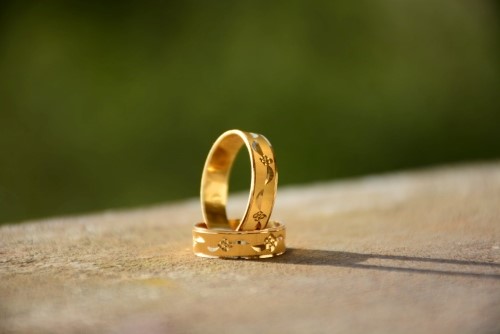
Figure 1. Gold and Jewelry
The Art of Evaporation Materials
Gold Evaporation Materials, or Au evaporation materials, form thin films of gold that are deposited onto surfaces through a specialized process known as physical vapor deposition (PVD). This technique involves heating the gold material until it reaches its vaporization point and then allowing the vaporized gold atoms to condense onto the desired substrate. This process leads to the formation of a thin and uniform coating of gold.
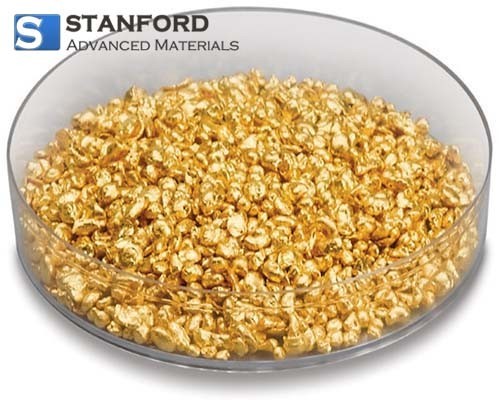
Figure 2. Gold Evaporation Materials
Benefits of Gold Evaporation Materials
Gold Evaporation Materials has introduced a variety of advantages to jewelry and fashion applications. Some notable features are listed below.
Precision and Aesthetic Enhancement:
First, the use of Au introduces a new level of precision to jewelry and fashion design. The controlled deposition process ensures an even and consistent layer of gold, enhancing the visual appeal of the final product. Whether used to create intricate patterns, reflective surfaces, or unique textures, gold evaporation materials offer designers the opportunity to push the boundaries of creativity and craftsmanship.
Versatility in Applications:
The application of gold is as versatile as it is transformative. Jewelry designers can utilize them to adorn a wide range of materials, including metals, glass, ceramics, and even plastics. This flexibility opens doors to unprecedented combinations of materials and finishes, merging tradition with contemporary aesthetics.
Innovations in Fashion:
Beyond traditional jewelry, such evaporation materials are finding their way into the world of fashion. Garments, accessories, and even footwear can be enhanced with gold-coated elements, giving rise to a new era of opulent and statement-making fashion items. The fusion of these materials with fabrics and textiles adds a dynamic dimension to fashion design.
The Sustainability Factor:
As the fashion industry increasingly embraces sustainable practices, such materials offer a unique advantage. Compared to traditional methods of applying gold plating, which can involve harsh chemicals and generate waste, the PVD process used with evaporation materials is more environmentally friendly. The efficient use of materials and the reduced impact on the environment align with the growing demand for eco-conscious practices in both jewelry and fashion.
Conclusion
In short, the introduction of Gold Evaporation Materials marks a transformative chapter in the world of jewelry and fashion. The marriage of traditional opulence with modern technology enables designers to create pieces that are both visually captivating and environmentally responsible.
Stanford Advanced Materials (SAM) stands at the forefront of the industry as a premier supplier of Gold Evaporation Materials. For more information, please check our homepage.
 Chin Trento