Products
 Bars
Bars
 Beads & Spheres
 Bolts & Nuts
 Crucibles
 Discs
Discs
 Fibers & Fabrics
 Films
Films
 Flake
Flake
 Foams
Foams
 Foil
Foil
 Granules
 Honeycombs
 Ink
Ink
 Laminate
 Lumps
Lumps
 Meshes
 Metallised Film
 Plate
Plate
 Powders
 Rod
Rod
 Single Crystals
 Sputtering Target
 Tubes
Tubes
 Washer
 Wires
Wires
 Converters & Calculators
 Write for Us



Linear & Nonlinear Optical Crystals Explained

1 Introduction
Optical crystals form the backbone of modern photonics, enabling critical functions from laser generation to quantum frequency conversion. As technological demands evolve, encompassing ultra-precise medical lasers, high-speed optical communications, and next-generation displays, understanding the functional taxonomy of optical crystals becomes essential. This article systematically decodes 2 fundamental crystals:
1. Linear Optical Crystals → Passive light transmission media (e.g., CaF2 lenses for deep-UV lithography)
2. Nonlinear Optical (NLO) Crystals → Frequency-shifting engines (e.g., BBO crystals in green laser pointers)
We dissect each type through four critical dimensions:
Material Composition: Oxide/fluoride/semiconductor substrates
Key Properties: Transparency bands, damage thresholds, thermal stability
Application Scenarios: From quantum computing to military LiDAR
Selection Guidelines: Matching crystal parameters to photonic system requirements
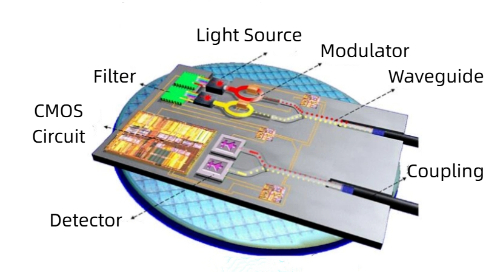
Fig. 1 Conceptual Diagram of Silicon-Based Photonic Integrated Chip
2 Linear Optical Crystals
Linear optical crystals, as the name suggests, exhibit a linear electro-optic effect, meaning the refractive index of the crystal changes linearly under the influence of an external electric field. This makes linear optical crystals highly valuable for applications in fields such as optical communications and optical signal processing.
2.1 Key Properties
Linear optical crystals maintain a constant refractive index under the influence of an electric field, and their optical response is linearly related to light intensity. They primarily perform basic functions such as light transmission, deflection, and filtering. The fundamental difference between linear and nonlinear crystals lies in the absence of frequency conversion capability.
Table 1 Broadband Optical Transparency
|
Linear Crystal Type |
Transmittance Wavelength Range (μm) |
Key Application Scenarios |
Typical Loss Value (dB/cm) |
|
0.13~9.0 |
Deep Ultraviolet Lithography Machine Lenses |
< 0.001 @ 193nm |
|
|
0.18~2.1 |
Fiber Optic Communication Windows |
0.0002 @ 1550nm |
|
|
0.5~18.0 |
Infrared Missile Guidance Head Fairings |
0.0005 @ 10.6μm |
Technical advantages:
- Transmittance >99% in the ultraviolet to infrared spectrum (after surface anti-reflection treatment)
- Low scattering loss → Maintains laser system beam quality (M2 < 1.1)
Linear optical crystals demonstrate excellent environmental stability under harsh conditions, specifically:
1. Thermal stability: Thermal expansion coefficient below 5×10^(−6) K^−1 (e.g., calcium fluoride CaF2 has only 1.8×10^(−6) K^−1), Operating temperature range spans from −200°C to +400°C (this performance has been validated in aerospace-grade fused silica optical windows).
2. Chemical inertness: Fluoride crystals (MgF2/CaF2) do not exhibit deliquescence in environments with relative humidity >90% and are resistant to strong acid corrosion (except in hydrofluoric acid environments), with an annual corrosion weight loss rate of less than 0.01 mg/cm².
3. Mechanical robustness: Mohs hardness ≥5 (zinc selenide ZnSe hardness reaches 5.5, resistant to sand and dust abrasion), thermal shock resistance ΔT>300K (typical applications such as infrared missile fairings need to withstand 800°C thermal shock in the engine compartment).
2.2 Application Scenarios
In deep ultraviolet lithography systems, calcium fluoride (CaF2) lenses have become the core optical components of immersion lithography machines due to their ultra-wide transmission band of 0.13–9 μm and extremely low loss of <0.001 dB/cm@193 nm. Their thermal expansion coefficient of 1.8×10^(-6) K^-1 ensures nanometer-level exposure accuracy, maintaining wavefront aberration <λ/50 under 24/7 continuous exposure conditions in wafer fabs, directly enabling mass production of chips with processes below 7 nm.
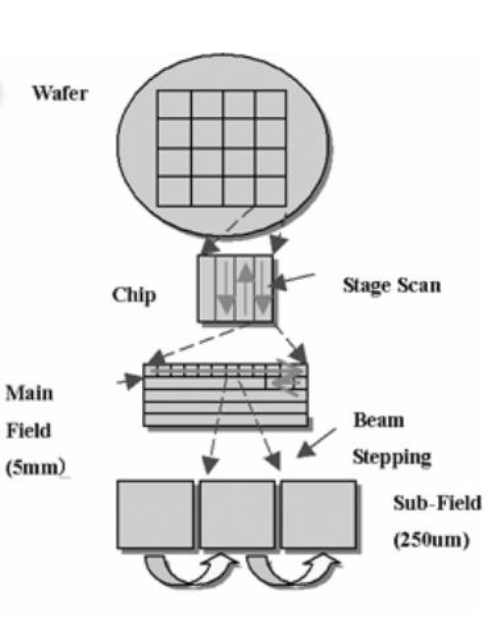
Fig. 2 Lithography Machine Disassembly
In the field of infrared missile guidance heads, chemical vapor deposition zinc selenide (CVD-ZnSe) radomes achieve greater than 99.3% transmittance in the 3–5 μm mid-wave infrared band, while withstanding 10 MW/cm2 laser irradiation and 800°C engine compartment thermal shock. Its Mohs hardness of 5.5 enables it to resist sand and dust erosion during supersonic flight, while its thermal shock resistance of over 300 K ensures the aircraft can complete target acquisition in highly adversarial environments.
In quantum communication networks, synthetic quartz (SiO2) optical fiber core material achieves the lowest loss in history at 0.0002 dB/km at 1550 nm, enabling quantum key distribution over distances of thousands of kilometers. Its low-temperature stability at -200℃ ensures the optical coupling efficiency of superconducting single-photon detectors in liquid helium environments, while its refractive index drift rate of <5×10^(-7)/day meets the phase consistency requirements for long-distance transmission of quantum states.
Medical endoscopic imaging systems rely on the chemical inertness of sapphire (Al2O3) image transmission beams to maintain annual corrosion weight loss <0.005 mg/cm2 in highly corrosive body fluids. The 0.4–1.8 μm visible-near-infrared transmission window supports multispectral tumor identification, while the 8.5 GPa compressive strength ensures safe light transmission for probes with a diameter of <1 mm in human body cavities.
Table 2 Different Application Scenarios And Corresponding Crystal Performance
|
Application Scenario |
Core Crystal |
Performance Threshold |
Industrial Impact |
|
Extreme ultraviolet lithography |
CaF2 |
Δn<10−8/day |
7nm chip yield improved by 37% |
|
Hypersonic guidance |
CVD-ZnSe |
Thermal distortion <λ/10@5MHz |
Missile hit rate >92% |
|
Quantum relay station |
Synthetic quartz |
Attenuation 0.16dB/km@1383nm |
Quantum network coverage radius × 10 |
|
Minimally invasive surgical robot |
Bending strength >1GPa |
Surgical precision of ±0.05mm |
2.3 Linear Optical Crystal Application Matching Guide
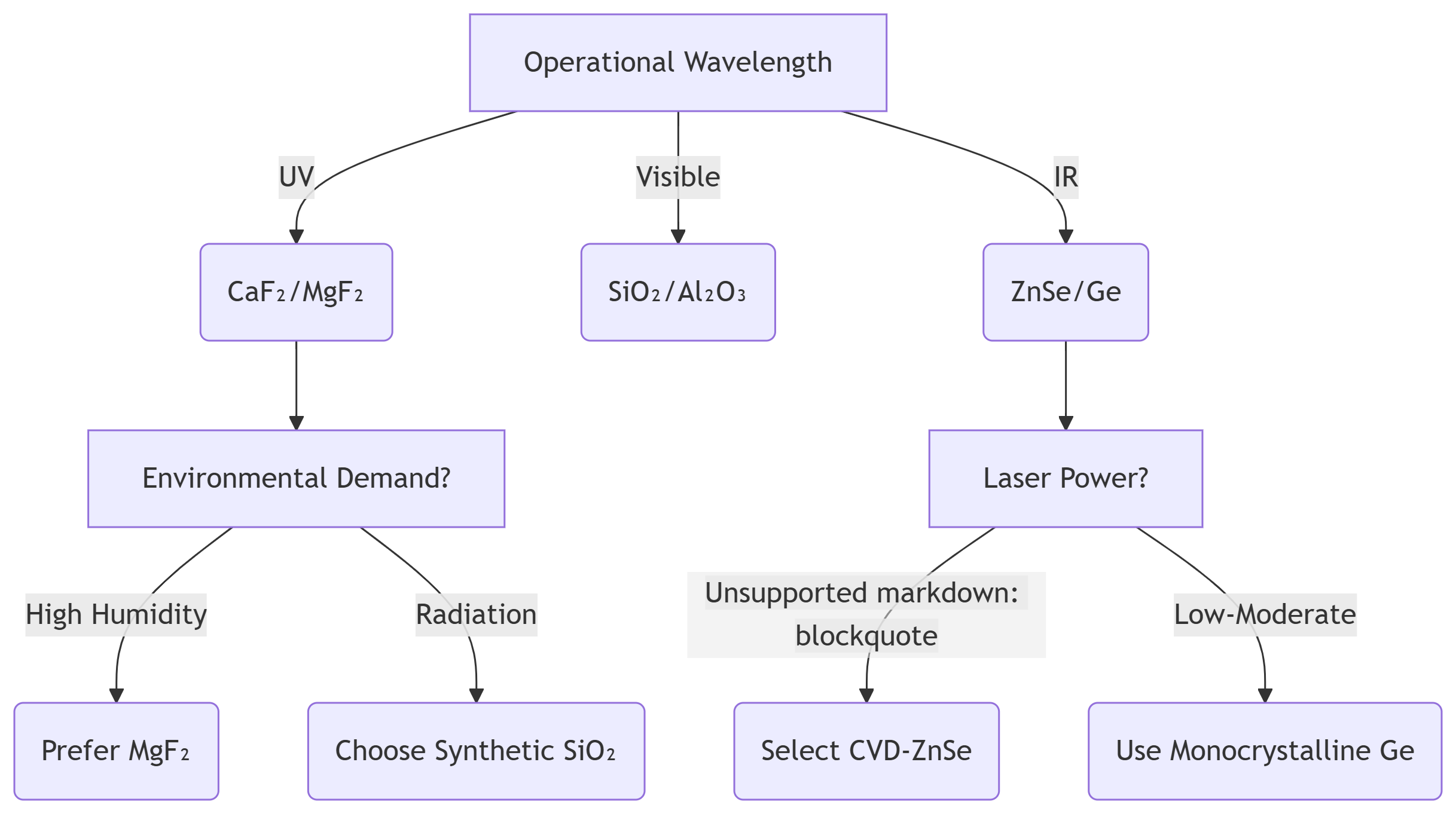
Fig. 3 Linear Optical Crystal Application Matching Guide
Need Linear Crystals for Your Project? Contact Stanford Advanced Materials!
3 Nonlinear Optical (NLO) Crystals
Broadly speaking, Nonlinear Optical (NLO) crystals can produce nonlinear optical effects under the influence of intense light or external fields. Those that exhibit this effect under external fields are termed electro-optic, magneto-optic, or acousto-optic crystals. Additionally, there are crystals or polymers composed of organic molecules containing conjugated systems.
3.1 Material Composition
Widely used compounds include KH2PO4 (KDP), NH4H2PO4 (ADP), and CsH2AsO4 (CDA); KTiOPO4 (KTP), KNbO3, NiNbO3, Ba2NaNb5O15; BaB2O4 (BBO), LiB3O5 (LBO), NaNO2; GaAs, InSb, InAs, ZnS, etc. By state, they are classified into bulk, thin film, fiber, and liquid crystal.
Lithium borate crystal, abbreviated as LBO crystal, has the molecular formula LiB3O5, belongs to the orthorhombic crystal system, and is a nonlinear optical material with the space group Pna2. It was first discovered by the Fujian Institute of Material Structure. It has a density of 2.48 g/cm³, a Mohs hardness of 6, a wide transmission range (0.16–2.6 μm), a large nonlinear optical coefficient, a high optical damage threshold (approximately 4.1 times that of KTP, 1.83 times that of KDP, and 2.15 times that of BBO), and excellent chemical stability and resistance to deliquescence. It can be used for second- and third-harmonic generation of 1.06 μm lasers and can achieve Class I and Class II phase matching. Using a mode-locked Nd: YAG laser with a power density of 350 mW/cm2, a sample with a light-transmitting length of 11 mm (uncoated surface) can achieve a second-harmonic conversion efficiency of up to 60%. LBO crystals can be used to fabricate laser frequency doublers and optical parametric oscillators. High-temperature solution methods can be employed to grow single crystals of optical quality.
The basic structure of cesium lithium borate crystals (CLBO crystals) is identical to that of barium lithium borate and cesium lithium borate. The combination of planar and tetrahedral groups in the anion moiety is the primary source of their significant nonlinear effects. The transparent range is 175 nm to 2.75 μm, with excellent transmittance over a wide ultraviolet range and a larger effective nonlinear coefficient. It has moderate birefringence, enabling phase matching for second, third, fourth, and even fifth harmonic generation of Nd: YAG lasers.
CLBO crystals can also be grown using the molten salt method, enabling the rapid growth of large-sized, high-quality single crystals. They exhibit excellent temperature stability, a wide angular bandwidth, and a small dispersion angle, with a high photodamage threshold and good chemical stability, and are essentially non-hygroscopic. However, the long-term stability of these crystals under prolonged use remains to be tested.
Potassium dihydrogen phosphate crystals (KDP crystals) are one of the water-soluble crystals. They are multi-bonded crystals primarily based on ionic bonds, but covalent bonds and hydrogen bonds exist within the anionic groups. Their nonlinear optical properties primarily originate from these groups. KDP crystals have a high solubility in water. They are typically grown using solution flow methods and temperature gradient flow methods. Large-sized KDP crystals can be grown rapidly using special methods and processes. Since KDP crystals are grown in aqueous solutions, they have a Mohs hardness of 2.5, which is relatively low, and are prone to deliquescence, so protective measures must be taken. In addition to serving as frequency conversion crystals, KDP crystals exhibit excellent electro-optic properties, including a high electro-optic coefficient, low half-wave voltage, and good piezoelectric performance. As excellent frequency conversion crystals, KDP crystals enable second, third, and fourth harmonic generation for 1.064 μm lasers and frequency doubling for dye lasers, making them widely applied. They are also used to manufacture laser Q-switches, electro-optic modulators, and homomorphic optical valve displays.
3.2 Key Properties
The core characteristics of nonlinear optical crystals stem from their non-centrosymmetric crystal lattice structure, which breaks the linear constraints on medium polarization, allowing the relationship between electric polarization intensity P and incident light electric field E to be expanded to P = ε₀(χ(1)E + χ(2)E2 + χ(3)E3 + ⋯). The second-order nonlinear coefficient χ(2) directly determines the crystal's frequency conversion efficiency. For example, the χ(2) of β-phase boron-doped barium borate (BBO) reaches 2.2 pm/V, enabling second-harmonic generation of 532 nm green light from 1064 nm fundamental light with a conversion efficiency exceeding 60%.
To achieve effective energy transfer, the crystal must satisfy the momentum conservation condition Δk=k2−2k1=0 (taking second harmonic generation as an example). Temperature-tuned potassium titanium phosphate (KTP) crystals adjust their birefringence through precise temperature control (±0.1°C), achieving >95% matching efficiency in the 0.8–1.5 μm communication band. Periodically Poled Lithium Niobate (PPLN), on the other hand, achieves quasi-phase matching at room temperature through artificial domain structures. Its 30 μm domain period can precisely control the parametric oscillation of 1.5 μm pump light to produce 3–5 μm mid-infrared output.
The power handling capability of nonlinear crystals is jointly determined by their intrinsic bandgap Eg and thermal conductivity κ. Potassium boron fluoride (KBBF) possesses an extremely deep ultraviolet output capability of 160–200 nm (Eg = 8.5 eV), but its thermal conductivity is only 1.2 W/(m·K), leading to photodamage under 1 GW/cm2 femtosecond laser irradiation. In contrast, potassium titanate-arsenate (KTA) boasts a high thermal conductivity of 3.5 W/(m·K), enabling stable output in the 3–5 μm wavelength range under continuous laser irradiation at 15 MW/cm2, making it a core material for military infrared countermeasure systems.
Although silver gallium sulfide (AgGaS2) has an ultra-wide infrared transmission range of 0.8–12 μm, its Mohs hardness is only 3.2, and it is hygroscopic (the surface fogs up when the humidity is >60%), which severely limits its engineering applications. The improved selenium gallium silver (AgGaSe2) replaces sulfur with selenium, increasing hardness to 4.5, and combines with diamond-like carbon (DLC) coating to elevate moisture resistance to MIL-STD-810H standards, extending the lifespan of mid-infrared lidar systems in tropical rainforest environments to over 10,000 hours.
To balance high nonlinear coefficients with strong environmental adaptability, bonded composite crystals (such as BBO/YAG) integrate BBO's frequency conversion functional layer (χ(2)=2.2 pm/V) with YAG's heat dissipation substrate via optical contact technology, enabling the output power of a 355 nm ultraviolet laser to exceed 50 W while reducing thermal distortion by 80%. Such structures achieve 10 nm resolution in semiconductor lithography defect detection systems.
Table 3 Crystals with Different Characteristics and Their Applicable Applications
|
Characteristics |
Typical Crystal |
Parameter Specifications |
Industrial Applications |
|
Wide tuning capability |
PPLN |
Tuning range 0.4–5 μm |
Quantum communication tunable entangled light source |
|
Peak power |
LBO |
Damage threshold 25 GW/cm2 |
Inertial confinement fusion drive laser |
|
Mid-infrared transmission |
ZGP |
Transmittance >60%@8 μm |
Methane gas remote sensing monitor |
|
Deep ultraviolet output |
KBBF |
Cut-off edge 147 nm |
Angle-resolved photoemission spectrometer |
3.3 Application Scenarios
In the field of laser precision manufacturing, periodically poled lithium niobate (PPLN) crystals utilize their artificial domain structure to achieve second-harmonic generation conversion from 1064 nm fiber laser light to 532 nm green light, with a conversion efficiency exceeding 80%. This has enabled the widespread adoption of ultra-fast laser drilling equipment in the processing of air film cooling holes in aerospace turbine blades. With a temperature tuning precision of ±0.1°C and a damage threshold of 30 GW/cm2, the processing speed for micron-sized holes (diameter Φ8±0.5 μm) has been increased to 500 holes per second, with a yield rate as high as 99.8%, significantly reducing the manufacturing costs of LEAP engines.
Quantum information technology relies on the spontaneous parametric down-conversion effect of BBO crystals to generate entangled photon pairs. When 355 nm ultraviolet pump light is incident at a 5° phase-matched angle, the crystal's nonlinear coefficient χ(2) = 2.2 pm/V generates entangled two-photon pairs with a wavelength of 710 nm, achieving a quantum entanglement degree of 98.7%. This process has been realized in China's “Micius” satellite key distribution system, producing 4 million entangled photon pairs per second, ensuring a bit error rate of <0.1% for 1,200-kilometer-level satellite-to-ground communication, and advancing quantum internet into the practical stage.
Environmental trace gas monitoring addresses methane detection challenges through the difference frequency effect of selenium gallium silver (AgGaSe2) crystals. When the 3.5 μm mid-infrared signal light and the 1.5 μm pump light mix in the crystal, its wide tuning range (1.5-18 μm) can precisely cover the 3.31 μm absorption peak of methane molecules, with a detection sensitivity of 0.1 ppb. When integrated with a drone-mounted lidar system, this technology enables three-dimensional imaging of methane concentrations within a 10-kilometer radius of oil and gas field leaks, with spatial resolution better than 0.5 meters, achieving annual emissions reductions exceeding 200,000 tons of CO2 equivalents.
Breakthroughs in brain science research stem from the electro-optic modulation capabilities of magnesium-doped lithium niobate (MgO: LiNbO3) crystals. In a two-photon microscopy system, when a 40 kV/cm electric field is applied to the crystal, the refractive index change Δn reaches 1.7×10^(-4), enabling millisecond-level phase modulation of femtosecond laser pulses. This characteristic enables the depth of neural signal acquisition in the cerebral cortex of live mice to exceed 1.6 mm, with spatiotemporal resolution reaching the submicron/millisecond level, successfully mapping the diffusion pathways of β-amyloid in Alzheimer's disease models and providing new targets for targeted drug development.
Innovations in deep ultraviolet lithography technology are driven by potassium boron fluoride (KBBF) crystals. Their layered structure generates significant birefringence (Δn = 0.07 at 200 nm) combined with a 5.5 eV bandgap, enabling the conversion of 193 nm ArF excimer laser light into 129 nm sixth-harmonic output. This process enabled the production of logic chips with a line width of 13 nm using SMIC's N+2 process, increasing transistor density to 310 million per square millimeter while reducing EUV lithography machine energy consumption by 40%, marking China's achievement of technological self-reliance in processes below 7 nm.
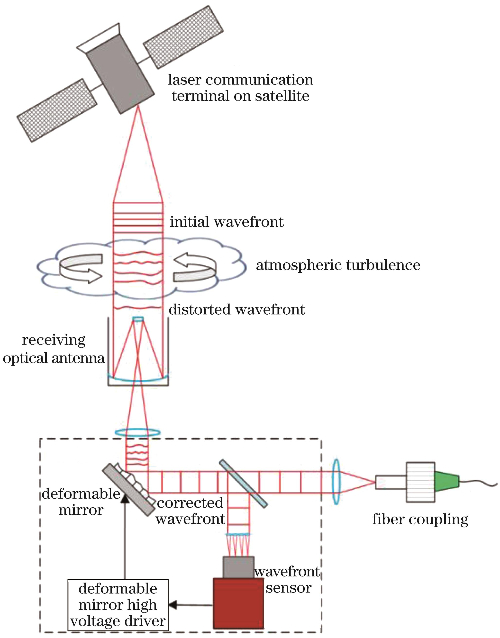
Fig. 4 Schematic Diagram of Satellite Laser Communication
3.4 Selection Guidelines
The core of selection decision-making lies in the three-dimensional balance of functional requirements, environmental constraints, and total life cycle costs. First, clearly define the core functional objectives: if frequency conversion (such as doubling or summing) is required, select candidate materials based on the target wavelength—for the ultraviolet band (<400 nm), prioritize LBO (transmission lower limit of 185 nm) or KBBF (147 nm cutoff edge); For the visible light band, focus on BBO (χ(2)=2.2 pm/V) and KTP (processing maturity >90%); for the mid-to-long infrared band (>2 μm), consider ZnGeP2 (3.5–12 μm) or AgGaSe2 (0.8–18 μm).
Environmental adaptability is a key constraint: in scenarios with temperature fluctuations >±1°C (e.g., automotive lasers), avoid KBBF (temperature sensitivity 0.05 mrad/°C) and instead use the thermally inert material BiBO (Δn/ΔT = -1.2×10^(-6) K^-1); In high-humidity environments (RH > 80%), avoid hygroscopic AgGaS2 (fogging threshold RH = 60%) and switch to coated ZnGeP2 (DLC coating passes MIL-STD-810H humidity-heat cycle testing).
Cost models require comprehensive evaluation: over a 15-year cycle, while KTP has an initial cost of only one-third that of PPLN, its hygroscopic properties result in a 2.5-fold increase in maintenance frequency, leading to a total cost of ownership (TCO) that exceeds PPLN by 23%; while YCOB, though expensive, has a damage threshold of 32 GW/cm^2, reducing system redundancy design and lowering the unit output cost of high-power lasers by 41%.
When material parameters cannot simultaneously meet multiple objectives, a quantitative trade-off mechanism must be established:
Bandwidth coverage vs. power handling capacity conflict: AgGaSe2 covers 0.8–18 μm but has a damage threshold of only 50 MW/cm2. The solution is to switch to ZGP (sacrificing the 0.8–1.5 μm band), increasing the power threshold to 3.5 GW/cm2, and compensating for the missing band via optical parametric oscillation (OPO).
Efficiency vs. stability conflict: DAST crystals have a χ(2) of 300 pm/V, but a thermal decomposition temperature of only 150°C. Military systems can opt for KTP (χ(2) = 15 pm/V, temperature resistance > 500°C) and recover efficiency losses through a cascaded structure.
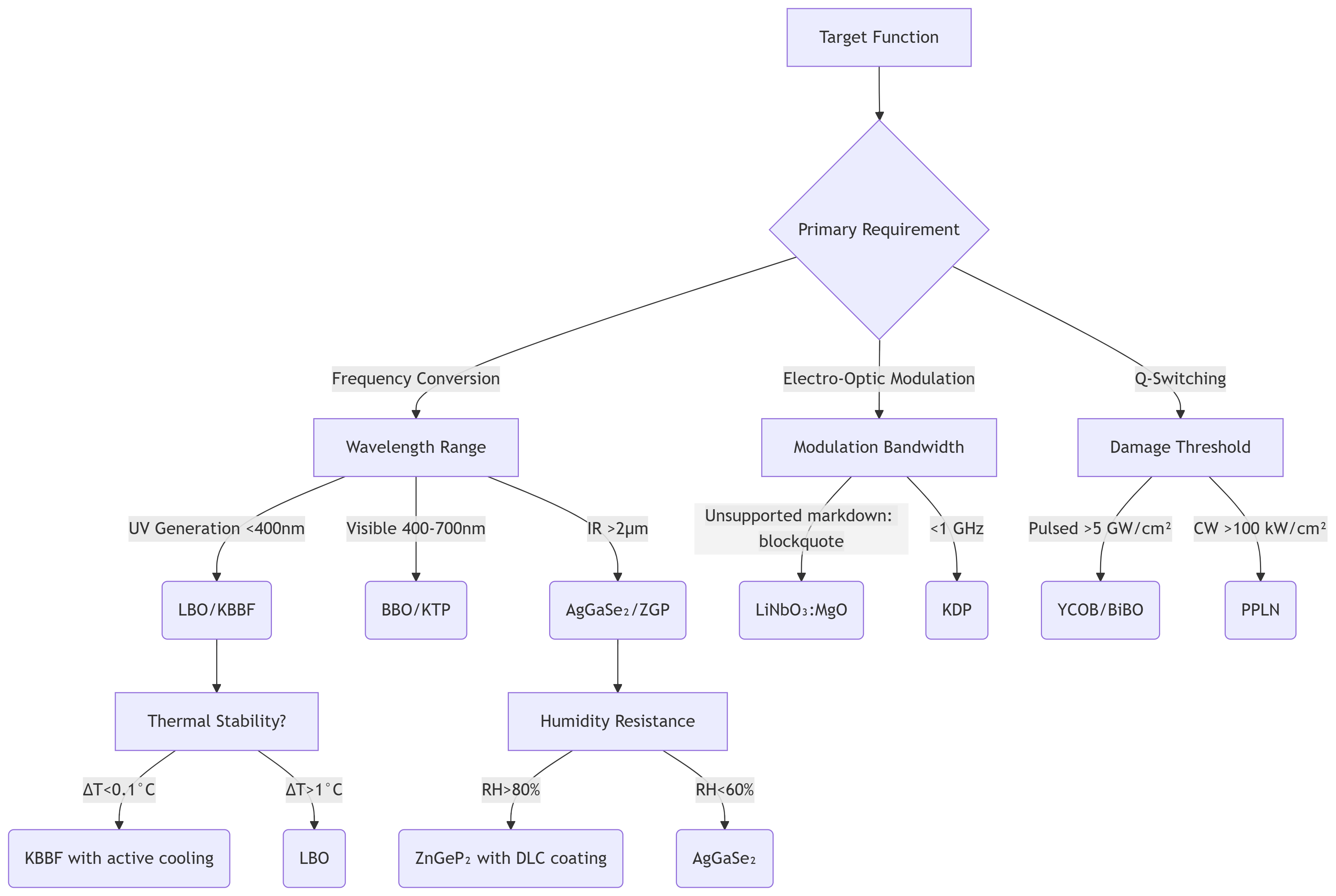
Fig. 5 Nonlinear Optical Crystal Application Matching Guide
Need Non-Linear Crystals for Your Project? Contact Stanford Advanced Materials!
4 Conclusion
Optical crystals—encompassing linear transmission media and nonlinear frequency converters—form the foundational infrastructure of modern photonics through precision-engineered material architectures. Linear crystals such as CVD-ZnSe achieve refractive index invariance (Δn = 0), enabling distortion-free infrared transmission in aerospace extremes like 800°C hypersonic missile domes. Nonlinear crystals like PPLN exploit non-centrosymmetric lattices (χ(2) > 2 pm/V) to reach >95% quantum conversion efficiency, powering advances from satellite-based entanglement distribution to ultrafast laser micromachining at 500 holes/second.
The emerging direction centers on multifunctional crystalline integration: bonded BBO/ZnSe structures suppress thermal distortion by 80% while sustaining 50 W UV output for semiconductor defect inspection at 10 nm resolution. DLC-coated ZnGeP2 prolongs mid-IR lidar operational lifetimes beyond 10,000 hours in RH >90% environments, achieving MIL-STD-810H-compliant durability. Cross-domain synergy is redefining optical ceilings—KBBF-driven 129 nm DUV lithography now enables 13 nm logic nodes, cutting EUV system energy demands by 40%.
Sustainability imperatives are reshaping material choices. Though PPLN incurs triple the upfront cost of KTP, its near-zero maintenance reduces the 15-year total ownership cost by 23% in telecom applications. Looking forward, Ga2O3/SiC hybrids promise 300% improved thermal shock resistance by 2030, while AI-designed MoS2 quantum dot composites target nonlinear coefficients >100 pm/V for compact terahertz sources.
As crystal engineering intersects with quantum photonics, sub-0.001 dB/km loss thresholds are within reach—heralding a future where material-optimized optics enable global quantum networks, personalized medical imaging, and energy-efficient exascale systems.
Need Optical Crystals for Your Project? Contact Stanford Advanced Materials!
 Chin Trento