
 Products
 Bars
Bars
 Beads & Spheres
 Bolts & Nuts
 Crucibles
 Discs
Discs
 Fibers & Fabrics
 Films
Films
 Flake
Flake
 Foams
Foams
 Foil
Foil
 Granules
 Honeycombs
 Ink
Ink
 Laminate
 Lumps
Lumps
 Meshes
 Metallised Film
 Plate
Plate
 Powders
 Rod
Rod
 Single Crystals
 Sputtering Target
 Tubes
Tubes
 Washer
 Wires
Wires
 Converters & Calculators
 Write for Us



What Can We Expect from the Sputtering Technique in the Future?

The sputtering technique dates back to 1842. It was first observed by Grove during his study of cathode corrosion in vacuum tubes. Grove noted that materials from the cathode had migrated to the walls of the vacuum tubes. However, the underlying physical mechanism of sputtering was not understood due to the limitations of early experimental equipment.
It wasn’t until the 1970s that magnetron sputtering technology emerged, marking a significant advancement. Today, sputtering technology is well-established and widely utilized across various industries. It plays a crucial role in fields such as semiconductors, photovoltaics, and displays.
Semiconductor Industry
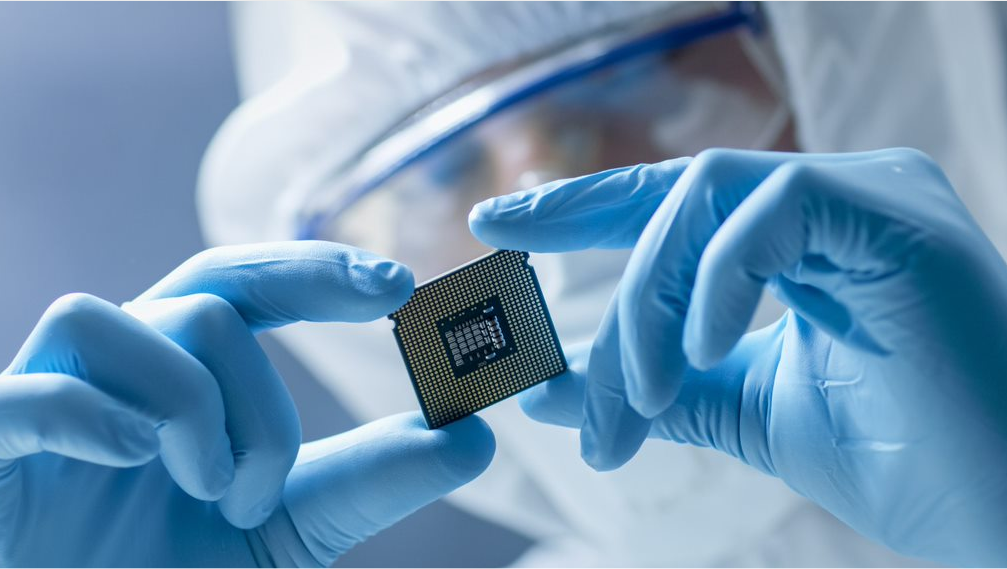
The semiconductor industry is vital for modern electronics. It focuses on creating integrated circuits (ICs), which are used in various electronic devices. As technology advances, the demand for high-purity sputtering targets has increased. These targets are used in the manufacturing process of ICs.
ICs consist of several layers, including substrates, insulation layers, media layers, conductor layers, and protective layers. Each of these layers relies on sputtering coating technology. As ICs become more complex and device sizes decrease, sputtering targets are essential for producing these circuits.
High-purity sputtering targets are crucial for the fabrication of advanced ICs. They ensure the quality and performance of the final electronic products.
Flat Panel Display (FPD) Industry
Coating is essential for making modern flat panel displays (FPDs). Almost all FPDs use coated materials to create functional films. This coating process ensures even film layers across large areas, boosts productivity, and cuts costs. Sputtering targets are the main materials used in these coatings.
The quality of FPDs, including their resolution and transmittance, depends on the sputtered films. In FPD manufacturing, sputtering produces ITO (Indium Tin Oxide) glass substrates. These substrates are coated and processed to make LCD, PDP, and OLED panels.
For touch screens, ITO glass is processed further to create electrodes. It is then assembled with protective screens and other components. Film coatings are also applied to improve features like anti-reflectivity in display products.
Solar Energy Industry
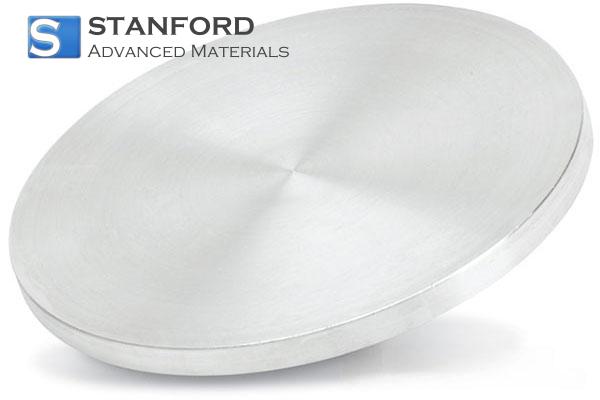
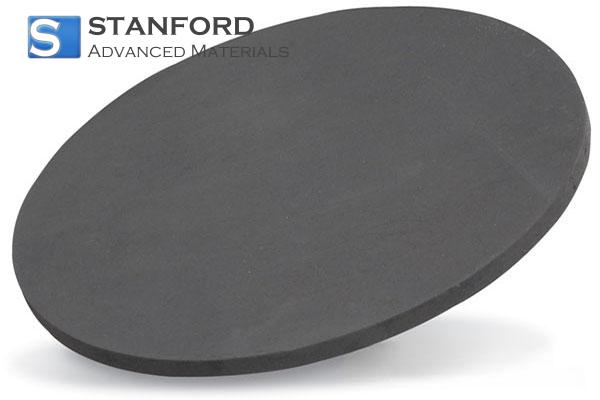
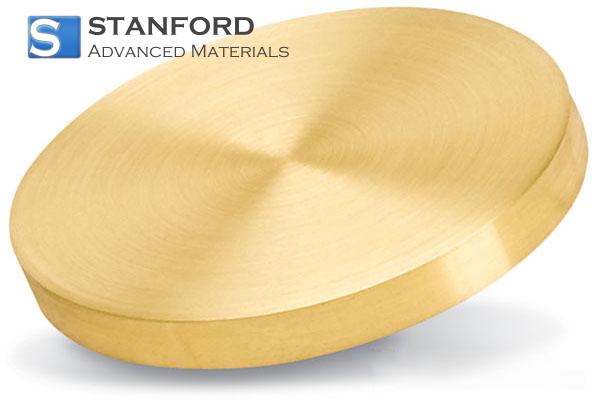
In the solar energy industry, sputtering targets are crucial for making solar cells. Common target materials include aluminum, copper, molybdenum, chrome, ITO, and AZO. These targets usually have a purity of over 99.99%. Each material has a specific role:
-
Aluminum and copper: Used for conductive layers.
-
Molybdenum and chrome: Used for blocking layers.
-
ITO and AZO: Used for transparent conductive layers.
The growth of solar photovoltaic (PV) installations is speeding up globally. The solar cell industry is expanding and becoming more global. Emerging markets are expected to play a bigger role in this growth in the coming years.
Conclusion
As sputtering technology advances and its applications expand, companies like Stanford Advanced Materials (SAM) play a pivotal role. SAM specializes in providing high-quality sputtering targets and related solutions. They focus on developing and supplying high-purity sputtering targets for the semiconductor, flat panel display, and solar energy sectors.
SAM's advanced materials and technologies drive industry progress and offer reliable support to their clients. Looking ahead, SAM is expected to remain a significant contributor to sputtering technology. They will continue supporting breakthroughs and innovations in various technological applications.
 Chin Trento