
 Products
 Bars
Bars
 Beads & Spheres
 Bolts & Nuts
 Crucibles
 Discs
Discs
 Fibers & Fabrics
 Films
Films
 Flake
Flake
 Foams
Foams
 Foil
Foil
 Granules
 Honeycombs
 Ink
Ink
 Laminate
 Lumps
Lumps
 Meshes
 Metallised Film
 Plate
Plate
 Powders
 Rod
Rod
 Single Crystals
 Sputtering Target
 Tubes
Tubes
 Washer
 Wires
Wires
 Converters & Calculators
 Write for Us



Case Study: Enabling Advancements in Nuclear Energy with Beryllium Foil

Introduction
Beryllium Foil plays a critical and multifaceted role in the realm of nuclear energy, contributing to various aspects of nuclear technology and research. Its unique properties and applications are instrumental in enhancing reactor performance, fuel efficiency, and safety measures within the nuclear energy sector. This article delves into its specific applications in the realm of nuclear energy.
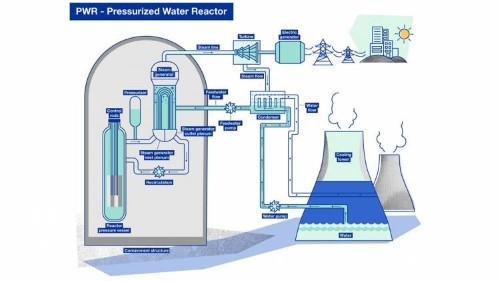 [1]
[1]
Figure 1. Nuclear Reactors
Understanding Beryllium Foil
Beryllium Foil, a thin sheet of beryllium. It is a lightweight, highly rigid, and low-density metal that exhibits remarkable thermal conductivity, electrical conductivity, and transparency to X-rays and ionizing radiation. These properties contribute to the diverse range of functions across different industries and research fields.
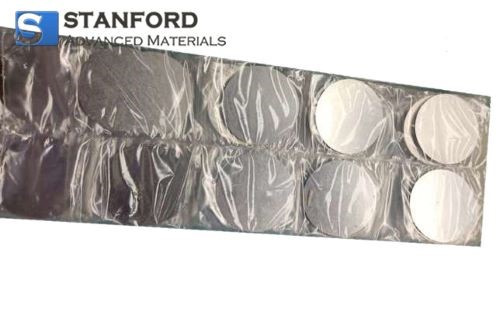
Figure 2. Beryllium Foil
Applications of Beryllium Foil in Nuclear Energy
Beryllium Foil finds lots of applications, especially in the field of nuclear energy. Here are some notable examples.
Moderation and Neutron Reflection: Beryllium, with its low neutron absorption cross-section and high scattering capability, is employed as a neutron moderator and reflector in nuclear reactors. It facilitates the slowing down of fast neutrons, enabling them to better interact with fissile materials, such as uranium-235 and plutonium-239.
Trident Nuclear Weapons: It is also a key component in the Trident nuclear warhead design since its mechanical properties, such as high stiffness and low density, are suitable for use in the warhead's explosive lens system.
Fusion Reactors: This foil also finds application as a plasma-facing material in fusion reactors. Its resilience to high temperatures, low atomic number, and ability to withstand plasma bombardment make it an attractive choice for lining the walls of fusion devices, such as tokamaks. Beryllium's presence minimizes the risk of contaminating the plasma while effectively managing heat and radiation.
Radiation Windows and Shields: Beryllium Foil's unique properties extend to its use in radiation windows and shields. Its low absorption of X-rays and gamma rays renders it suitable for windows in radiation detectors, allowing these high-energy photons to pass through for analysis. Moreover, beryllium shields are employed to protect sensitive equipment from radiation, enhancing safety in nuclear research environments.
However, it's important to note that while beryllium offers invaluable properties for nuclear applications, it also poses health hazards due to the potential inhalation of beryllium dust or fumes. Proper handling, disposal, and adherence to safety protocols are essential when working with beryllium materials to mitigate health risks for workers and the environment.
Conclusion
In short, Beryllium Foil's diverse applications within nuclear energy demonstrate its pivotal role in advancing reactor efficiency, fuel utilization, and safety measures. Whether contributing to neutron moderation, fusion research, or even nuclear weapons technology, beryllium's unique properties contribute to shaping the landscape of nuclear energy and research while underscoring the importance of safety precautions.
Beryllium Foil (Be Foil) is offered at Stanford Advanced Materials (SAM). Customized shapes and component ratios of beryllium products are also available. Send us an inquiry if you are interested.
Reference:
[1] Galindo, A. (2022). What is Nuclear Energy? The Science of Nuclear Power [Photograph]. https://www.iaea.org/newscenter/news/what-is-nuclear-energy-the-science-of-nuclear-power
 Chin Trento