
 Products
 Bars
Bars
 Beads & Spheres
 Bolts & Nuts
 Crucibles
 Discs
Discs
 Fibers & Fabrics
 Films
Films
 Flake
Flake
 Foams
Foams
 Foil
Foil
 Granules
 Honeycombs
 Ink
Ink
 Laminate
 Lumps
Lumps
 Meshes
 Metallised Film
 Plate
Plate
 Powders
 Rod
Rod
 Single Crystals
 Sputtering Target
 Tubes
Tubes
 Washer
 Wires
Wires
 Converters & Calculators
 Write for Us



Case Study: Custom PBN Heater for Lab Instrument up to 1600°C

Introduction
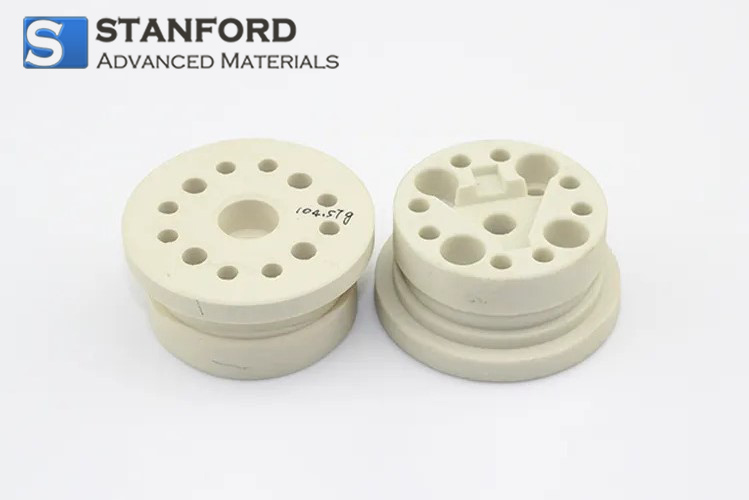
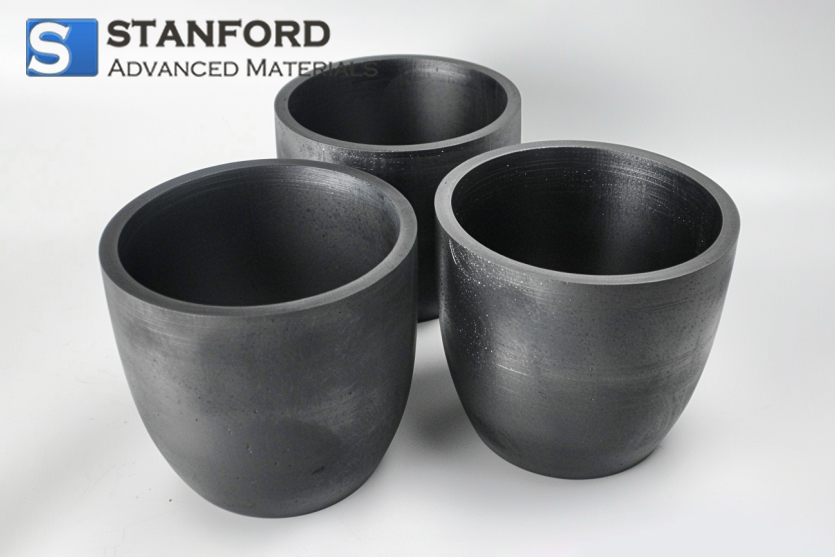
Stanford Advanced Materials (SAM) aims to provide highly customized advanced material solutions to meet the specific needs of our clients, no matter whether it's crucibles, rods, powders, targets, or other specialized materials. Clients can submit their blueprints or work with our expert team to create custom drawings, ensuring truly bespoke products.
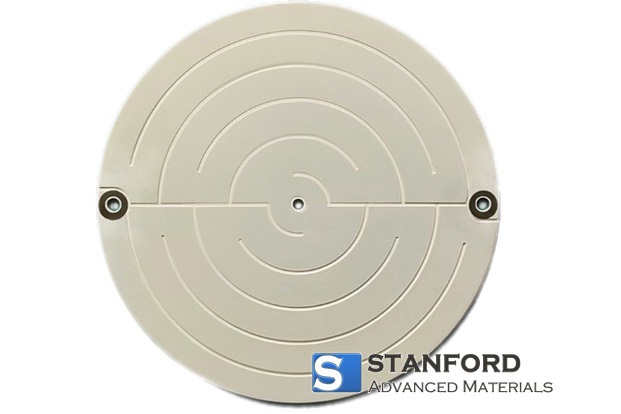
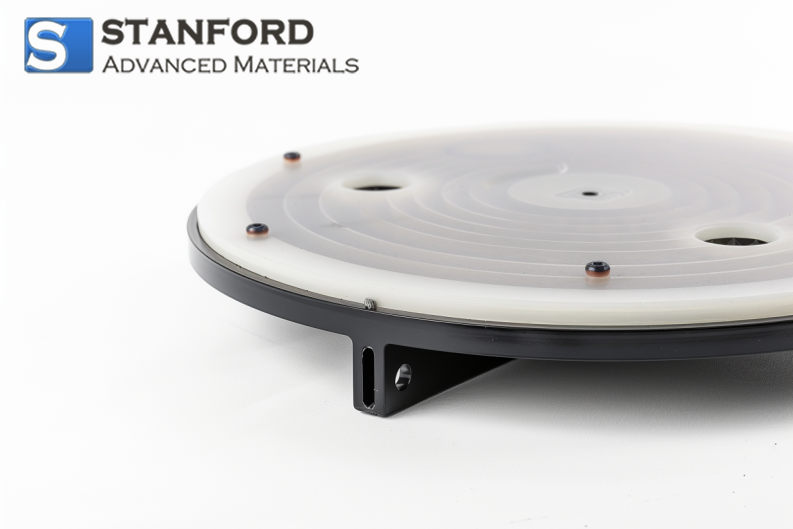
This case study showcases how SAM leveraged its high-level customization skills to design and construct a PBN (Pyrolytic Boron Nitride) heater, tailored to the exact heating requirements of a laboratory instrument, for optimal heating performance and reliability.
Background
PBN heaters are widely used in high-temperature laboratory instruments due to their high thermal resistance, chemical inertness, and insulation against electricity. However, due to various instrumental designs and environmental conditions, off-the-shelf materials generally cannot meet all requirements.
In this instance, the client required a high-temperature heater that can withstand up to 1600°C, with excellent temperature control accuracy, and a specially designed power arrangement based on the unique experimental conditions of their device.
Challenges
-
Limited space inside the instrument demanded precise heater dimensions and shape
-
The heater needed multi-zone heating capability for different temperature requirements
-
Electrical circuit design had to balance power distribution with fine temperature control
-
The heater must maintain performance and stability under high temperature and potentially reactive atmospheres
Alternative Solutions Considered
Before finalizing the design, several approaches were evaluated:
-
Option 1: Use Standard PBN Heater
Pros: Faster delivery and lower cost.
Cons: Unable to meet the precise size and multi-zone heating requirements of the client's instrument. -
Option 2: Custom-Designed PBN Heater (Recommended)
Pros: Fully tailored to client specifications, supports multi-zone temperature control, and ensures optimal performance.
Cons: Longer manufacturing lead time and higher cost compared to standard products. -
Option 3: Use Alternative Materials such as Aluminum Nitride
Pros: Potentially lower material cost.
Cons: Insufficient chemical stability and thermal resistance for the client's application environment.
After consideration, Option 2 was selected as it best balanced performance, customization, and reliability.
Solution
Lisa Ross, SAM's Sr. Ceramics Engineer, described, "To meet this specific requirement, we designed a custom PBN heater solution. Optimizing the heater's geometry and circuit design, we supplied multi-zone power distribution with precise temperature control. Inclusion of high-purity PBN material, combined with state-of-the-art CVD manufacturing processes, offered heater stability and life in corrosive and high-temperature applications."
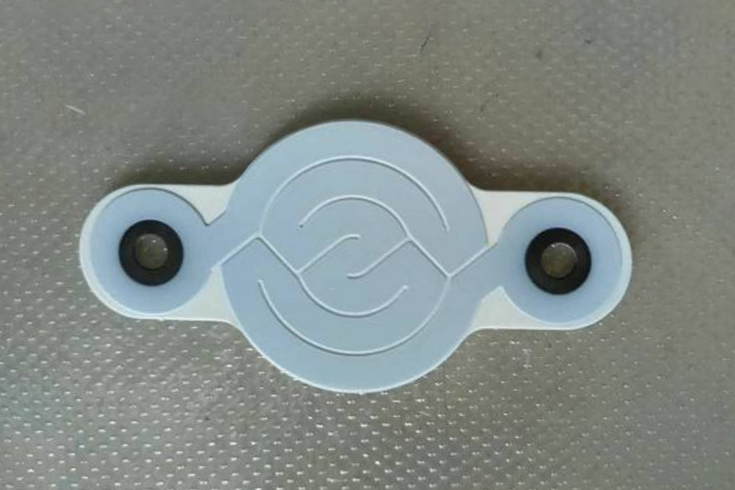
The solution included:
-
Customized Heater Geometry: Designed to fit perfectly within the client's equipment, optimizing space utilization.
-
Circuit Layout Design: Tailored to provide multi-zone power distribution and precise temperature control.
-
High-Purity PBN Material: Ensured stability and chemical inertness at high temperatures.
-
Thermocouple Interface Integration: For easy temperature monitoring and control during experiments.
Results and Customer Feedback
The client shared, "The customized PBN heater meets all our requirements perfectly. The installation was easy, and temperature stability and control are precise. Since the implementation of the new heater, reproducibility and efficiency of our experiments have improved tremendously, and maintenance has declined, lowering the risk of interruptions in our tests significantly. "
Conclusion
This example demonstrates Stanford Advanced Materials' capability in providing customized solutions in advanced ceramic materials. By flexible design and accurate manufacturing, SAM was able to supply a PBN heater that greatly improved the client's laboratory instrument performance and reliability. Whether custom sizes, composition, or intricate structure is required, SAM can design solutions according to your needs, helping enhance your R&D and production capabilities.
If you have special customization requirements, welcome to contact us with your blueprints or technical requirements, and our professional team will provide a one-stop customized design service.
 Chin Trento