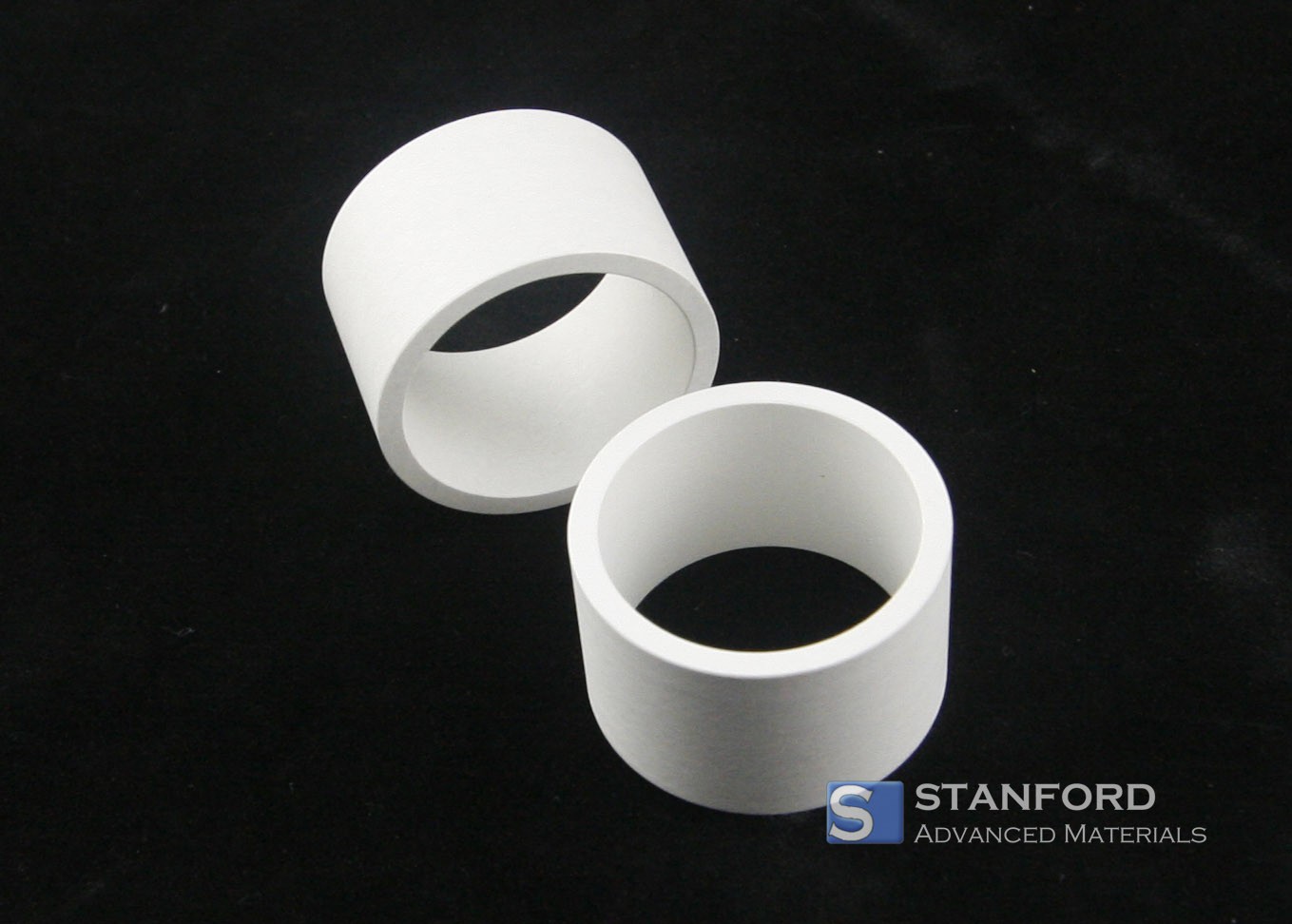
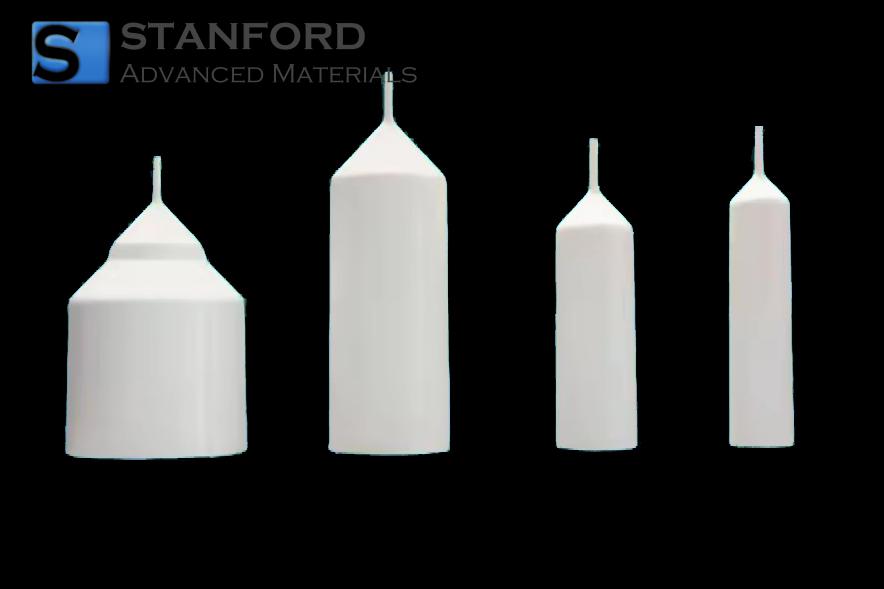
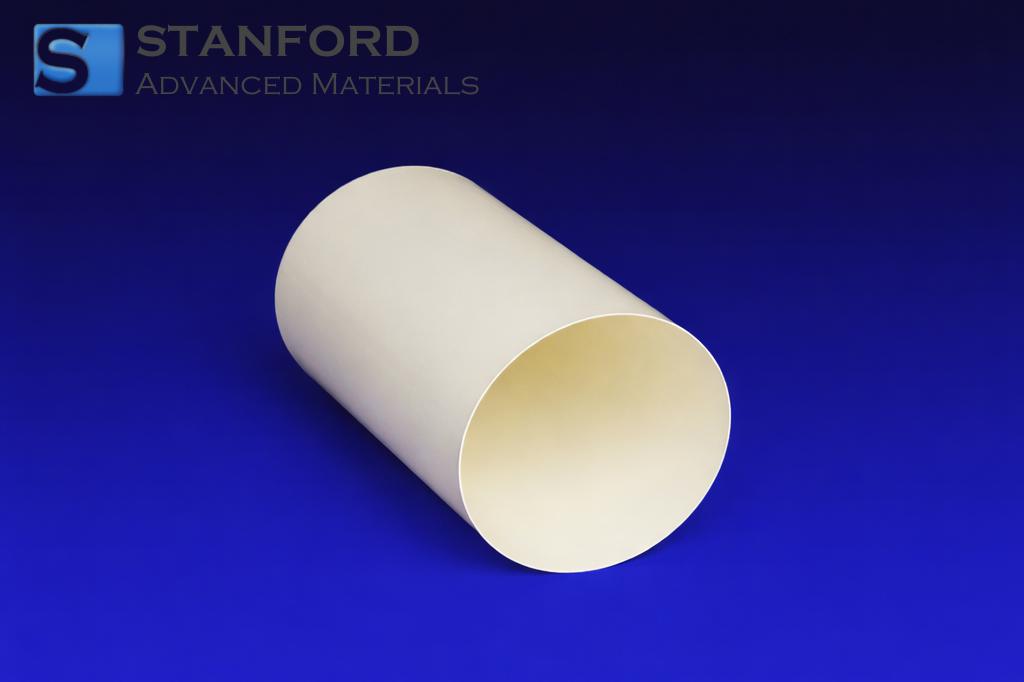
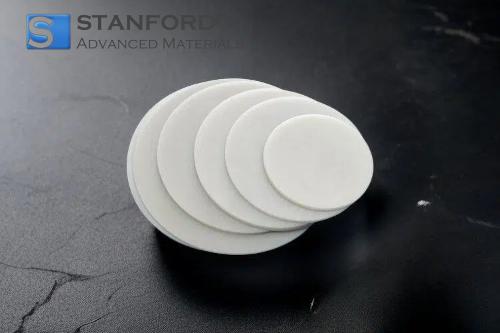
PBN/PG Composite Heating Elements Description
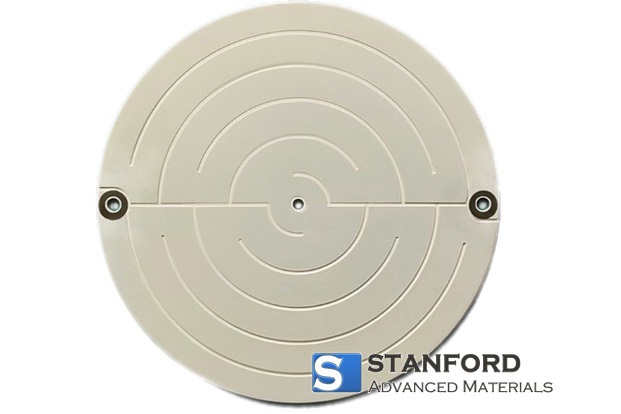
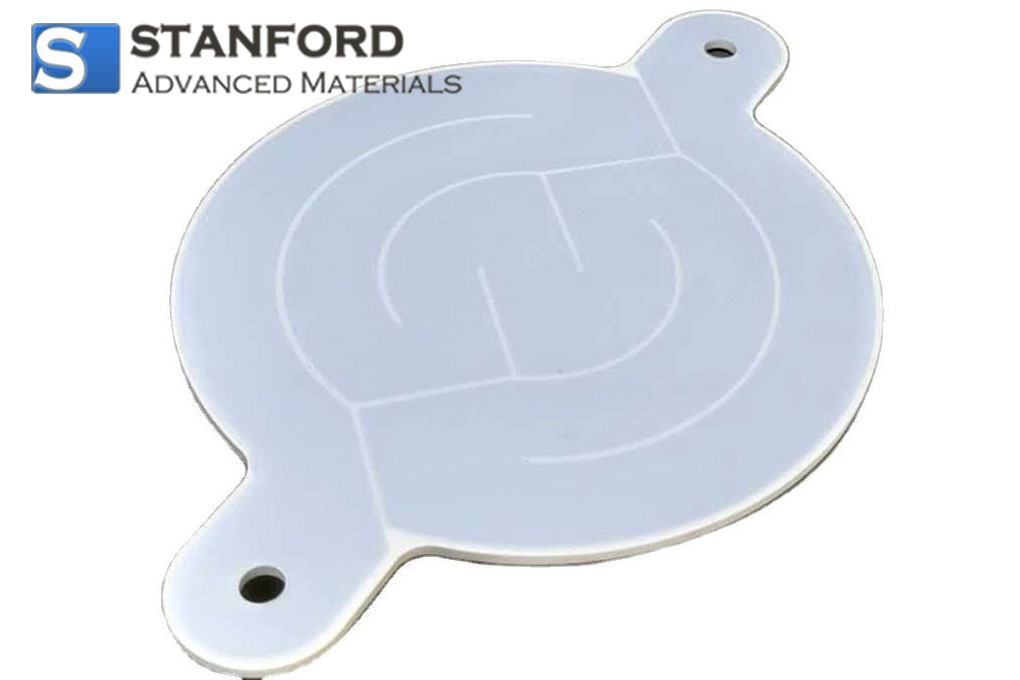
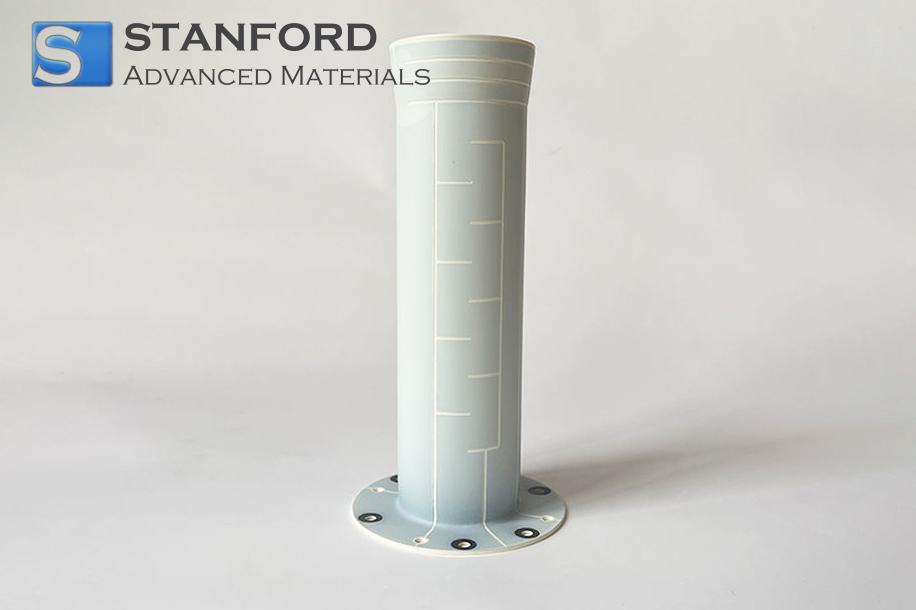
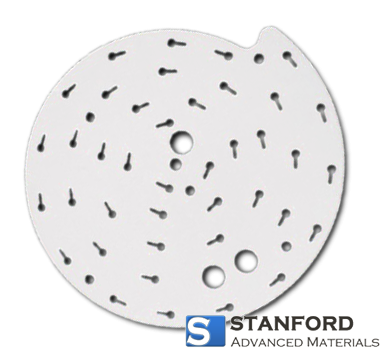
Pyrolytic Boron Nitride is used as the substrate for the PBN heating element. Pyrolytic Graphite(PG) is placed on the surface of PBN plates by the CVD method as a conductor and heater. Depending on the different requirements of applications, the PG heating element could be covered by PBN again or just stay open.
As both PG and PBN are extremely pure (99.99% or even higher) and very stable in a vacuum or inert atmosphere, the PBN/PG Composite Heating Elements could be very durable and keep the chamber clean. It could be heated to 1600℃ in a very short time without the emission of any gas component. It also has good resistance to acid and alkali. These heating elements are ideal products for the semiconductor industry and applications that require high temperature, high vacuum, and high purity.
Specification
|
Diameter:
|
0.5"~4", or customized
|
|
Bulk Density
|
2.0-2.19g/cm3
|
|
Max. Working Temperature (vacuum)
|
2400℃
|
|
Volume Resistivity (Ω·cm)
|
3.11*1011
|
|
Flexural Strength (Mpa)
|
243.63
|
|
Thermal Conductivity (W/M·k)
|
43-60
|
*The above product information is based on theoretical data and is for reference only. Actual specifications may vary.
PBN/PG Composite Heating Elements Specifications
|
Diameter:
|
0.5"~4", or customized
|
|
Bulk Density
|
2.0-2.19g/cm3
|
|
Max. Working Temperature (vacuum)
|
2400℃
|
|
Volume Resistivity (Ω·cm)
|
3.11*1011
|
|
Flexural Strength (Mpa)
|
243.63
|
|
Thermal Conductivity (W/M·k)
|
43-60
|
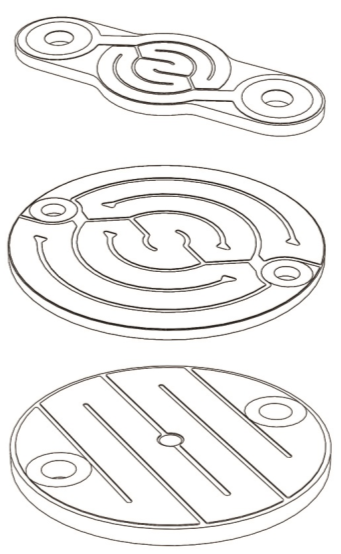
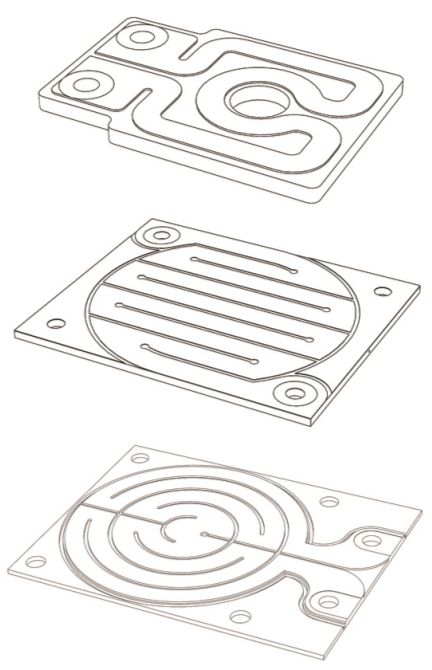
Customized Service:
|
Shape
|
Wafer
|
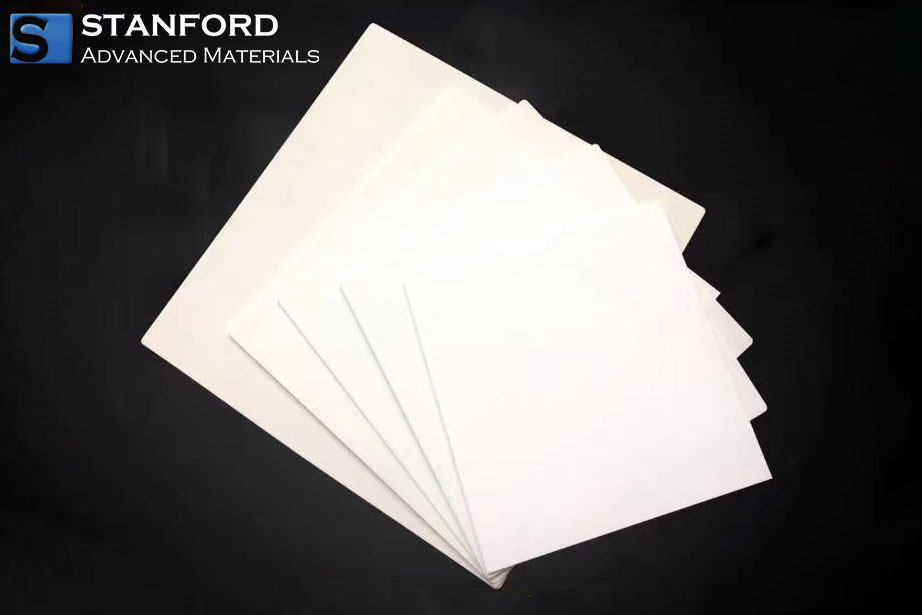
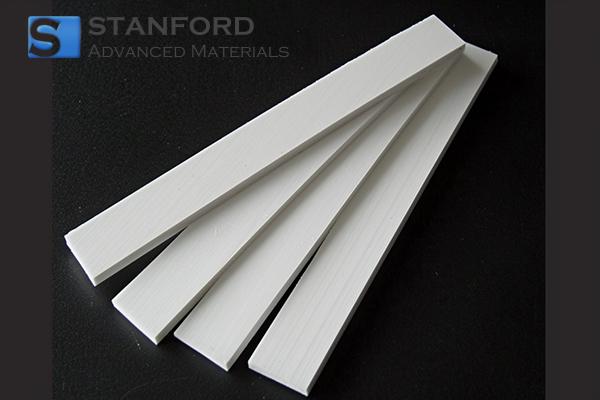
Rectangle
|
Tube
|
|
Size (mm)
|
φ380 MAX
1.0-2.5
|
265*265 MAX
1.0-2.5
|
φ265 MAX
400 MAX Length
|
|
Sample
|
|
|
|
PBN/PG Composite Heating Elements Applications
- Semiconductor substrate heater (in the fields of MBE, MOCVD, sputter coating, CVC, etc.)
- Superconductor substrate heating.
- Electron microscope sample heating.
- Metal evaporation heating.
PBN/PG Composite Heating Elements Packaging
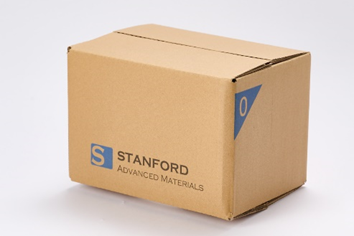
Our products are packaged in customized cartons of various sizes based on the material dimensions. Small items are securely packed in PP boxes, while larger items are placed in custom wooden crates. We ensure strict adherence to packaging customization and the use of appropriate cushioning materials to provide optimal protection during transportation.
Frequently Asked Questions
Q1: What thermal characteristics make these heating elements suitable for high-temperature applications?
A1: The composite structure achieves stable thermal conductivity and a low thermal expansion coefficient, enabling precise temperature control during rapid cycling. This balance helps maintain uniformity in high-temp conditions commonly encountered in industrial heating setups.
Q2: How is consistency in the material’s microstructure controlled during production?
A2: SAM utilizes controlled sintering cycles and X-ray diffraction analysis to monitor and adjust the composite phases. This systematic quality control minimizes defects and ensures a uniform microstructure essential for predictable performance.
Q3: What factors should be considered when integrating these elements into equipment?
A3: Consider the substrate's thermal conductivity, expansion rates, and compatibility with adjoining materials. Engineers should also evaluate the operating temperature range and potential thermal gradients to ensure optimal performance in the overall system design.
Specification
|
Diameter:
|
0.5"~4", or customized
|
|
Bulk Density
|
2.0-2.19g/cm3
|
|
Max. Working Temperature (vacuum)
|
2400℃
|
|
Volume Resistivity (Ω·cm)
|
3.11*1011
|
|
Flexural Strength (Mpa)
|
243.63
|
|
Thermal Conductivity (W/M·k)
|
43-60
|
*The above product information is based on theoretical data and is for reference only. Actual specifications may vary.
CUSTOMER REVIEWS
No reviews for current products.


 Products
 Bars
Bars
 Beads & Spheres
 Bolts & Nuts
 Crucibles
 Discs
Discs
 Fibers & Fabrics
 Films
Films
 Flake
Flake
 Foams
Foams
 Foil
Foil
 Granules
 Honeycombs
 Ink
Ink
 Laminate
 Lumps
Lumps
 Meshes
 Metallised Film
 Plate
Plate
 Powders
 Rod
Rod
 Single Crystals
 Sputtering Target
 Tubes
Tubes
 Washer
 Wires
Wires
 Converters & Calculators
 Write for Us