
 Products
 Bars
Bars
 Beads & Spheres
 Bolts & Nuts
 Crucibles
 Discs
Discs
 Fibers & Fabrics
 Films
Films
 Flake
Flake
 Foams
Foams
 Foil
Foil
 Granules
 Honeycombs
 Ink
Ink
 Laminate
 Lumps
Lumps
 Meshes
 Metallised Film
 Plate
Plate
 Powders
 Rod
Rod
 Single Crystals
 Sputtering Target
 Tubes
Tubes
 Washer
 Wires
Wires
 Converters & Calculators
 Write for Us



The Most Common Polymer Plastic Selection Options: PP vs PE

Abstract
As two of the most common polymer materials, PP and PE have found extremely widespread applications in daily life. Beyond packaging and consumer goods, the competition between polyethylene (PE) and polypropylene (PP) has long since moved into a higher-stakes arena. From deep-sea pipelines to semiconductor cleanrooms, from lightweight automobiles to implantable medical devices, the right choice is not merely about cost—it determines the success or failure of technical solutions. This article analyzes the performance boundaries and selection logic of PE and PP in high-end applications from an engineering perspective.
Fig. 1 Applications of PP and PE
1 Introduction to Material Microstructure
1.1 Polyethylene (PE)
The molecular structure of polyethylene (PE) consists of long chains formed by covalently bonded methylene (—CH₂—) units. The simple structure of this highly symmetrical and nonpolar group directly determines its stable chemical properties, low surface energy, and waxy texture. However, it is precisely this seemingly simple chain structure that, due to microscopic variations in branch length and density (regularity) during polymerization, gives rise to distinct grades with markedly different properties: For example, low-density polyethylene (LDPE) features highly branched chains with loose packing, endowing it with exceptional flexibility and transparency; High-density polyethylene (HDPE), with its linear chains, high regularity, and high crystallinity, exhibits superior rigidity, strength, and temperature resistance. Ultra-high molecular weight polyethylene (UHMWPE), characterized by extremely long chains and high entanglement, exhibits unparalleled wear resistance and impact toughness. Thus, the diversity within the PE family and its broad application spectrum fundamentally stem from these subtle variations in basic structure.
Among them are several types with special properties:
- UHMW-PE (Ultra-High Molecular Weight Polyethylene): Molecular weight > 1.5 million, exhibiting extremely high impact resistance, wear resistance, and self-lubrication.
- HDPE (High-Density Polyethylene): High crystallinity, excellent rigidity, and resistance to environmental stress cracking.
- Crosslinked PE: Forms a three-dimensional network via radiation or chemical methods, significantly enhancing heat resistance, pressure resistance, and creep resistance.
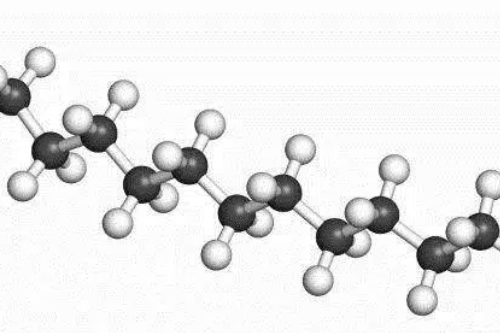
Fig. 2 Polyethylene Molecular Structure
1.2 Polypropylene(PP)
Polypropylene (PP) features regularly spaced methyl side groups along its molecular backbone. This seemingly minor structural difference is key to distinguishing it from polyethylene and enabling its performance leap. The steric hindrance effect of methyl groups restricts the free rotation of carbon-carbon bonds in the main chain, significantly enhancing molecular chain rigidity. This confers polypropylene with higher strength and hardness. Simultaneously, the methyl groups render the tertiary carbon atoms on the main chain more susceptible to oxidation. While this represents a weakness, it also provides a pathway for developing high-performance grades through stabilization modifications. More importantly, this regular molecular structure enables the formation of higher crystallinity. The crystalline regions act as physical crosslinking points, effectively elevating the material's heat deflection temperature. This allows polypropylene to maintain excellent dimensional stability and mechanical properties even in high-temperature environments. Thus, from a molecular perspective, the methyl side chain serves as the structural cornerstone for polypropylene as a high-rigidity, heat-resistant general-purpose plastic.
Modifications yield materials with specialized properties:
- High-crystallinity PP: Enhanced rigidity and heat resistance.
- Impact-modified copolymer PP: Incorporates a rubber phase, significantly improving low-temperature toughness.
- Long glass fiber-reinforced PP: Achieves strength and heat resistance comparable to engineering plastics.
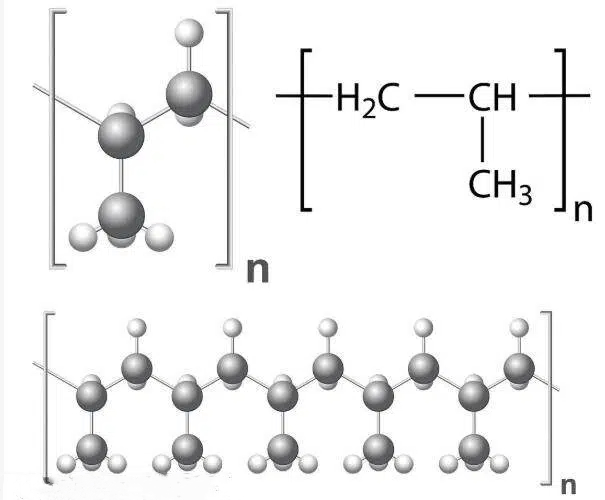
Fig. 3 Polypropylene Molecular Structure
2 Key Engineering Performance Parameters Comparison
Table 1 Key Engineering Performance Parameters Comparison of PP and PE
|
Performance Metrics |
Polyethylene (PE) |
Polypropylene (PP) |
Implications for High-End Applications |
|
Long-term operating temperature |
LDPE: ~65-80°C HDPE: ~80-100°C Crosslinked PE: ~90-110°C |
Homopolymer PP: ~100-110°C Copolymer PP: ~90-105℃ Reinforced PP: >120°C |
PP excels in engine compartment components requiring sustained heat resistance and in sterilization equipment. |
|
Mechanical Properties |
UHMW-PE: Exceptional impact resistance and wear resistance (6 times higher than nylon), but moderate rigidity. |
Significantly superior rigidity/hardness compared to PE; when reinforced with long glass fibers, its strength and modulus rival certain metals. |
PE: Ballistic armor, wear-resistant liners. PP: Structural load-bearing components, such as automotive dashboard frames. |
|
Chemical Resistance and ESCR |
Outstanding chemical resistance, particularly against acids, alkalis, and solvents. HDPE exhibits excellent environmental stress cracking resistance. |
Good resistance to most chemicals, but poor tolerance to oxidizing acids, chlorinated solvents, and certain oils. ESCR performance is average. |
PE is the preferred choice for chemical pipelines and large storage tanks (such as chemical tanker liners). |
|
Electrical Properties |
Excellent insulation properties, low dielectric constant and loss, good corona resistance. |
Good insulation properties, but dielectric constant and loss are slightly higher than PE. |
PE is the preferred choice for high-voltage cable insulation (e.g., submarine cables) and high-frequency communication cables. |
|
Permeability |
Extremely low water vapor permeability, but relatively high permeability to organic vapors. |
Water vapor and gas permeability are typically higher than those of HDPE. |
PE is essential in pharmaceutical primary packaging requiring high moisture barrier properties. |
|
Biocompatibility and Cleanliness |
HDPE and UHMW-PE are certified for implant-grade medical devices (e.g., joint replacements), featuring surface inertness and excellent biocompatibility. |
Medical-grade certified with enhanced transparency and ease of sterilization (gamma rays, EO), widely used in syringes and IV bags. |
PP: Transparent medical consumables requiring repeated sterilization. PE: Medical components for long-term implantation or high wear resistance. |
3 High-End Applications
3.1 High-End Industrial Applications of PE
In high-end industrial sectors, polyethylene has established irreplaceable technical barriers across numerous demanding applications due to its unique performance spectrum. Different grades—UHMW-PE, HDPE, and LDPE—each fulfill distinct roles, becoming indispensable key materials in specific fields.
1. Energy & Heavy Industry: Endurance Testing Under Extreme Conditions
UHMW-PE: The Ultimate Solution for Superior Wear Resistance
In bulk material handling systems for coal, ore, and similar commodities, wear is the primary cause of equipment downtime and high maintenance costs. Ultra-high molecular weight polyethylene (UHMW-PE) plates, used as wear-resistant liners, possess exceptional impact resistance and self-lubricating properties due to their unique long molecular chain structure. Their wear resistance surpasses even carbon steel, effectively protecting equipment components and significantly extending the service life of conveyor belts and hoppers. Similarly, at port terminals, ship fenders endure immense impact and friction. UHMW-PE, with its outstanding resistance to environmental stress cracking and energy absorption capabilities, serves as the ideal “cushioning armor” protecting hulls and dock structures.
HDPE: Exceptional Environmental Stress Cracking Resistance and Long-Term Serviceability
In energy infrastructure, natural gas distribution pipeline networks demand materials capable of decades of safe operation. High-density polyethylene (HDPE) pipes have completely replaced traditional steel and cast iron pipes due to their outstanding environmental stress cracking resistance, flexibility, seamless connection technology, and exceptional chemical corrosion resistance, becoming the global preferred choice for underground gas transmission and distribution systems. In deep-sea exploration, HDPE is fabricated into buoyancy materials for subsea applications. Its closed-cell structure provides stable buoyancy while withstanding immense hydrostatic pressure and resisting seawater corrosion, offering reliable support for underwater robots, seabed observation networks, and similar equipment.
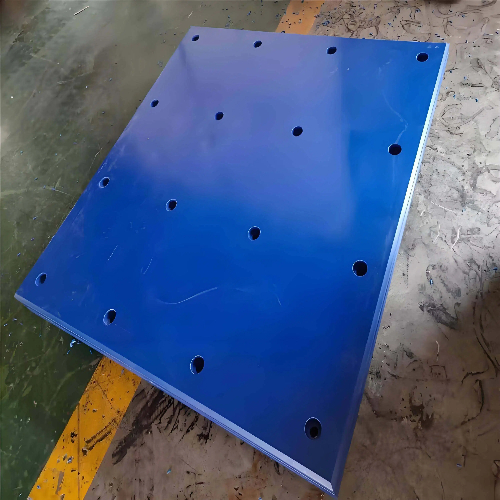
Fig. 4 Ultra-High Molecular Weight Polyethylene Wear-Resistant Lining Plates
2. Medical and Life Sciences: The Ultimate Pursuit of Purity and Biocompatibility
HDPE: Implant-Grade Reliability and Ultra-High Purity Assurance
In orthopedics, artificial acetabular cups must coexist long-term with the human body while enduring cyclic loads. High-density polyethylene (especially highly crosslinked UHMW-PE) has become the “gold standard” material paired with femoral heads in hip replacements due to its extremely low wear rate, outstanding biocompatibility, and excellent mechanical properties, significantly extending implant service life. In biopharmaceuticals and diagnostics, stringent controls over packaging material migration and leaching are paramount. High-purity HDPE bottles, with their exceptional chemical inertness, outstanding water vapor barrier properties, and rigorously validated cleanliness, are widely used to store sensitive biological products like standard reagents, enzyme preparations, and cell culture media. This ensures their activity and stability remain unaffected by the packaging container throughout their entire lifecycle.
3. Electronics and Electrical: Foundation of Insulation and Protection
LDPE: Critical Layer in High-Voltage Insulation Systems
In high-voltage and ultra-high-voltage cross-linked cables, controlling the electric field distribution is critical. After appropriate modification, low-density polyethylene serves as the cable's semiconductor shielding layer. Tightly wrapped around the conductor, it smooths the electric field distribution and prevents partial discharges caused by air gaps between the conductor and the insulation layer. It is one of the core materials ensuring the long-term stable operation of the entire insulation system.
HDPE: The Reliable Outer Armor for Comprehensive Environmental Protection
For optical cables, while the optical fiber itself transmits signals, its mechanical strength and long-term reliability depend on the protective sheath. The high-density polyethylene (HDPE) sheath provides all-around protection: its outstanding resistance to environmental stress cracking ensures no brittle fracture occurs under complex geological and climatic conditions; outstanding chemical corrosion resistance withstands erosion from acidic and alkaline substances in soil; and robust mechanical properties effectively counteract stretching, crushing, and abrasion during installation and operation. Consequently, HDPE has become the standard outer sheath material for optical cables, safeguarding them against harsh external environments and ensuring the uninterrupted flow of data through the “nerve center” of communication networks.
3.2 Primary Applications of PP
Through modification techniques such as copolymerization, filling, and reinforcement, the performance boundaries of polypropylene have been significantly expanded, enabling it to successfully penetrate and dominate multiple high-end application fields with extremely demanding material requirements.
1. Automotive Lightweighting: From “Plastic Replacing Steel” to “Plastic Outperforming Steel”
Amidst the automotive industry's shift toward electrification and lightweighting, polypropylene—particularly long glass fiber reinforced polypropylene—has evolved from a non-structural material into a critical semi-structural and structural component solution.
Core Technology: Long Glass Fiber Reinforcement
Compared to short glass fibers, long glass fibers (typically exceeding 10mm in length) form a three-dimensional network skeleton within the plastic matrix, enabling more efficient stress transfer and dispersion. This endows LGFPP components with strength, stiffness, and impact resistance approaching that of engineering plastics, while also delivering significantly superior fatigue resistance and creep resistance compared to unreinforced or short-fiber-reinforced plastics.
In-Depth Analysis of Typical Applications:
Front-End Module Frame: This highly integrated component supports multiple parts, including radiators and headlights. An LGFPP front-end module molded in a single injection process not only reduces weight by over 30% compared to traditional steel structures but also achieves high component integration. This streamlines assembly processes, enhancing production efficiency and precision.
Battery Pack Housing: In electric vehicles, battery pack housings must combine lightweight construction, high rigidity, impact resistance (especially during collisions), and excellent flame retardancy. Through optimized structural design, LGFPP perfectly meets these demands. Its inherent high electrical insulation and resistance to electrolyte corrosion provide natural advantages for battery pack enclosures.
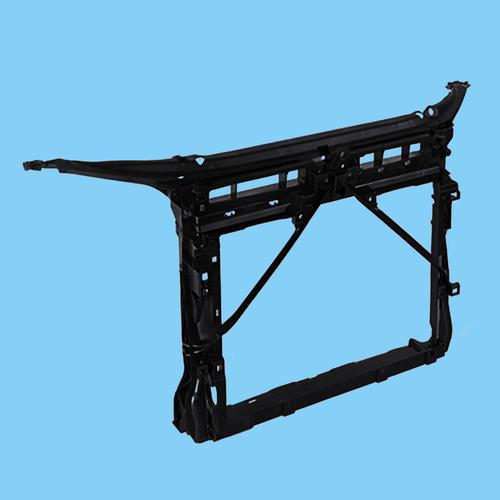
Fig. 5 Long Glass Fiber Reinforced Polypropylene Automotive Front-End Module
2. Premium Medical Packaging: The Perfect Balance of Transparency, Safety, and Reliability
In the life-critical medical field, medical-grade polypropylene (PP) has become the material of choice for sterile barrier systems due to its comprehensive performance.
Material Standards: Medical-grade PP must pass stringent USP Class VI or ISO 10993 biocompatibility certification to ensure no toxic reactions when contacting pharmaceuticals or the human body.
Performance Advantages and Application Links:
- High Transparency and Excellent Processability: Ideal for manufacturing pre-filled syringes, enabling healthcare professionals to accurately read dosages and inspect solution clarity. Its surface characteristics facilitate silanization treatment, ensuring smooth piston injection.
- Superior Radiation Resistance: Medical devices often undergo terminal sterilization via gamma rays or electron beams. After high-dose irradiation, PP retains its mechanical properties and transparency at a significantly higher rate than other general-purpose plastics (e.g., PE, PS), ensuring product integrity and safety post-sterilization.
- Ultra-low leaching and adsorption: For cell culture flasks, the material must guarantee no release of substances that inhibit cell growth into the culture medium. Simultaneously, it must not adsorb critical growth factors present in the medium, providing cells with a pure, reliable growth environment.
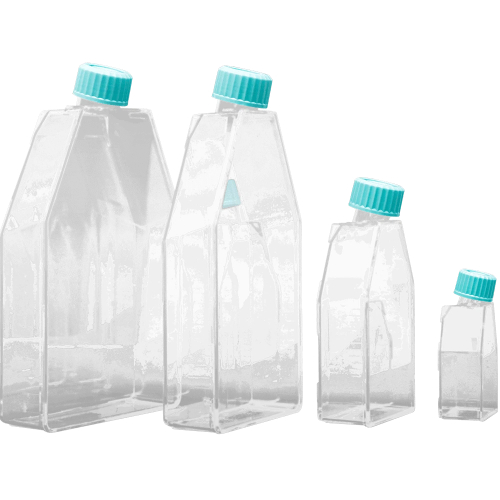
Fig. 6 PP Cell Culture Flask
3. Electronics and Home Appliances: Long-Term Tests of Durability and Chemical Stability
In home appliances and high-end electronics, PP must maintain stable performance under prolonged exposure to high heat, high humidity, and chemical agents.
Washing Machine and Dishwasher Tubs: This represents a classic “high-stress” application scenario for PP materials. Components must endure prolonged exposure to:
- Thermal Stress: Ambient temperatures reaching 60-90°C during high-temperature washing and drying cycles, driven by water temperature and internal heating elements.
- Chemical Corrosion: Daily contact with detergents rich in surfactants and bleaching agents (sodium hypochlorite).
- Mechanical stress: Centrifugal forces from high-speed rotation, plus friction and impact from laundry or dishes.
Highly crystalline PP or reinforced PP offers the ideal solution: Heat resistance prevents barrel deformation at high temperatures; chemical resistance prevents material degradation and cracking; high rigidity and fatigue resistance ensure a service life of up to ten years.
High-efficiency air filter frames: In industrial cleanrooms, hospital operating rooms, or high-end electronics facilities, filter frames must maintain absolute dimensional stability in demanding environments. Even minor deformation can cause leaks and filter failure. PP's low moisture absorption and stable shrinkage rate make it ideal for precision filter frame manufacturing.
4. Industrial Components: From General-Purpose Parts to Critical Functional Components
Through specific modifications, PP has become capable of handling many industrial applications previously dominated by metals or more expensive engineering plastics.
Large Industrial Fan Blades: Rotating at high speeds, blades require not only lightweight materials to reduce start-up torque and inertia, but also exceptional impact resistance (to withstand potential foreign object ingestion) and fatigue resistance (to withstand over ten million cyclic loads). High-impact copolymer PP excels in such large dynamic components due to its outstanding comprehensive mechanical properties and cost advantages.
Corrosion-Resistant Flanges and Joints in Chemical Equipment: While PP's absolute temperature and pressure limits fall short of some specialty engineering plastics, its exceptional corrosion resistance against most acid, alkali, and salt solutions makes it an excellent alternative to metal materials in chemical piping systems with moderate temperature and pressure conditions. Flanges, fittings, and valves made from PP never rust, eliminating medium contamination and equipment failure caused by metal corrosion. They are widely used in electroplating, hydrometallurgy, environmental water treatment, and other fields.
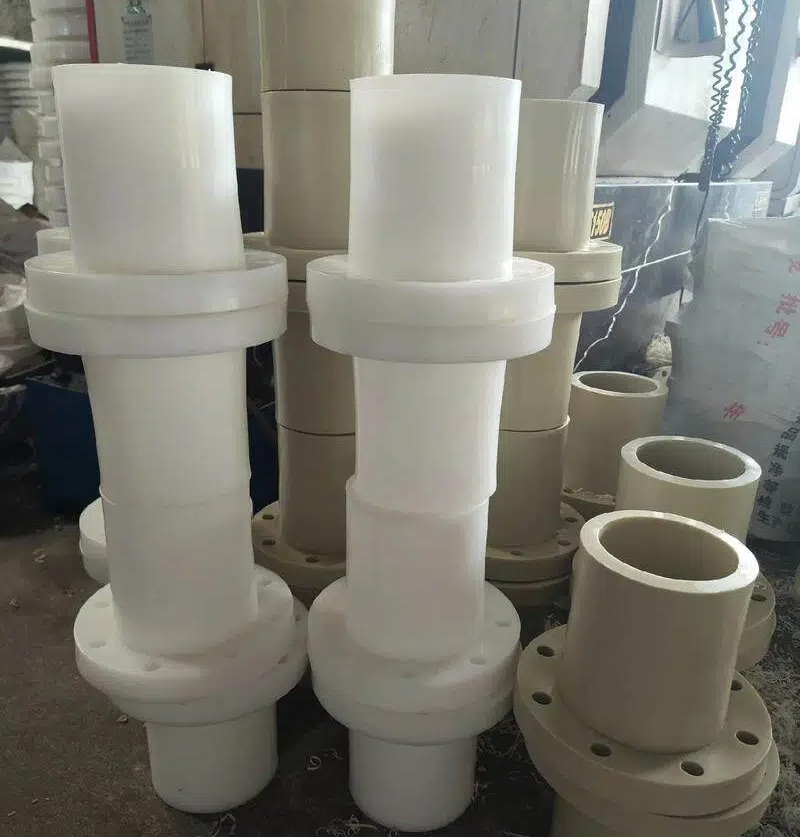
Fig. 7 PP Chemical Piping Flange Joint
5. Filtration and Separation: Precision and Reliability in Fluid Handling
Polypropylene is the material of choice for a wide range of filter cartridges and housings, particularly in water treatment, chemical processing, and food & beverage industries. PP Filter Cartridges leverage the material's inherent chemical resistance to withstand aggressive acids, alkalis, and solvents, ensuring no media contamination. The melt-blown manufacturing process allows for the creation of depth filter media with controlled pore gradients, achieving high dirt-holding capacity and filtration precision. Additionally, PP's excellent thermal stability allows for hot water sanitization and steam sterilization (SIP), while its mechanical strength and low moisture absorption guarantee dimensional stability under varying pressures. This combination of properties makes PP filter cartridges a reliable, cost-effective, and hygienic solution for critical separation processes.
4 Professional Selection Decision Framework
For engineers, the choice is not an either/or decision but a prioritization based on core requirements.
Primary Decision Factor: Chemical Environment
Scenarios involving strong acids, alkalis, or stress cracking risks → Prioritize HDPE.
Scenarios involving contact with fuel, engine oil, or oxidizing chemicals → Evaluate PP's tolerance or consider modified grades.
Primary Decision Factor: Temperature and Structure
Structural components requiring long-term operation > 90°C with high rigidity and dimensional stability → Prioritize PP (especially reinforced grades).
Applications with significant temperature fluctuations or extreme impact/wear conditions → Prioritize UHMW-PE or HDPE.
Primary Decision Factors: Regulations and Special Properties
Implant-grade medical devices, ultra-high-purity contact → Select medical-grade PE or PP with corresponding certifications.
Requires extremely low friction coefficient and wear resistance → UHMW-PE is nearly the only plastic option.
Requires transparency and repeated high-temperature sterilization → Medical-grade transparent PP is the preferred choice.
5 Frontiers and Future Trends
Amidst the global wave of sustainable development and high performance, polyethylene and polypropylene are not resting on their laurels. Instead, driven by cutting-edge technology, they are undergoing profound evolution and innovation.
5.1 PE Enhancements: Advancing Toward Green and Ultra-High Performance
1. Bio-based PE: The Green Revolution in Closed-Loop Carbon Cycles
Core Technology: While traditional PE originates from fossil fuels, bio-based PE is produced by fermenting renewable biomass like sugarcane and corn into bioethanol. This bioethanol is then dehydrated to form bioethylene, which is ultimately polymerized into PE. Its molecular structure is identical to petroleum-based PE, meaning it possesses identical superior properties and is fully compatible with existing recycling systems.
Strategic Significance: Its greatest value lies in its carbon reduction potential. Plants absorb carbon dioxide through photosynthesis during growth, fundamentally altering PE's carbon footprint. For brands, adopting bio-based PE is a key pathway to achieving carbon neutrality and sustainability goals. It is widely used in sectors demanding strict green credentials, such as premium cosmetic packaging and eco-friendly automotive components.
2. Graphene/Carbon Nanotube-Reinforced PE Composites: Pioneering Next-Generation Ultra-High Performance
Core Technology: When graphene or carbon nanotubes are dispersed as nanofillers within a PE matrix, they form a three-dimensional thermal, electrical, or mechanical reinforcement network at extremely low loading levels. This represents not a conventional blend but a “genetic-level” transformation of the material at the nanoscale.
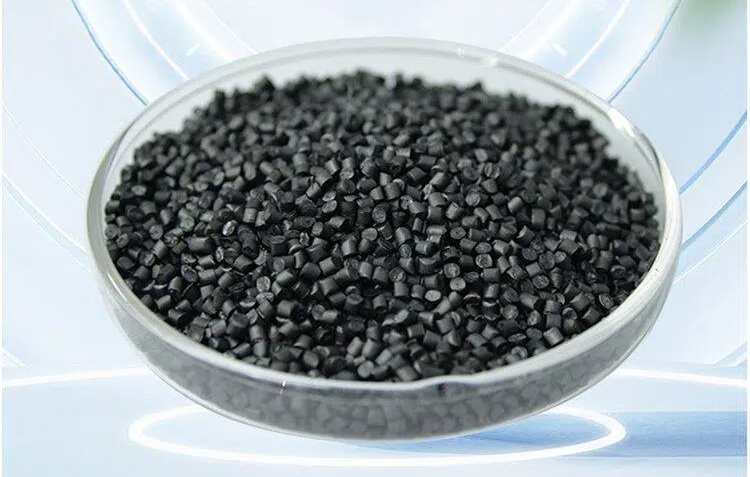
Fig. 8 Graphene PE Composite Material
3. Performance Leap and Application Prospects:
Mechanical Properties: Graphene's extreme strength and specific surface area significantly enhance PE's modulus, strength, and toughness. This enables PE-based composites to potentially replace heavier metals in applications like ballistic protection and lightweight aerospace structural components.
Functionalization: Introducing conductive pathways transforms inherently insulating PE into materials with antistatic or electromagnetic shielding capabilities, suitable for precision electronics packaging and specialty cables. Its exceptional thermal conductivity also enables the development of highly efficient heat dissipation materials for electronic devices.
Barrier Properties: Graphene layers effectively extend the permeation path for gas molecules within materials, enabling the production of ultra-high barrier packaging films to extend the shelf life of food or pharmaceutical products.
5.2 PP Innovation: Expanding Processing Boundaries and Enabling New Functions
1. High Melt Strength PP: Overcoming Processing Bottlenecks to Pioneering New Lightweight Applications
Core Technology: Conventional PP exhibits low melt strength, leading to sagging and cracking of sheets or melts during thermoforming or foaming processes. High Melt Strength PP significantly enhances viscoelasticity and tensile resistance in the molten state through molecular design (e.g., introducing long side chains or controlled crosslinking).
Pioneering Applications:
Foaming Applications: HMSPP enables the production of high-performance PP foam materials. EPP beads, renowned for their ultra-lightweight properties, high impact resistance, superior energy absorption, and thermal stability, have become the premier cushioning material for automotive bumper cores, toolboxes, and premium logistics packaging.
Thermoforming & Blow Molding: Enables PP to replace higher-cost ABS or PC/ABS alloys in producing large, thin-walled, deep-drawn parts like automotive door panels and refrigerator liners, while offering superior heat resistance compared to PS and PE.
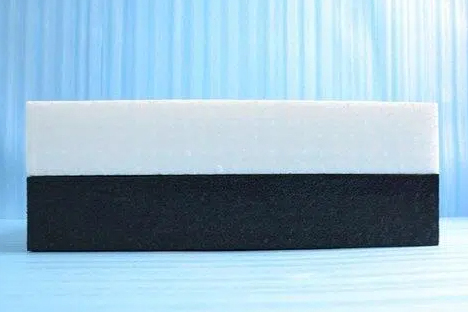
Fig. 9 Black and White EPP Foam Board
2. Metallized PP: Entering the Blue Ocean of Electromagnetic Shielding
Core Technology: By applying surface metal coatings (e.g., electroless plating) or incorporating conductive fillers (e.g., nickel-coated graphite, stainless steel fibers) into the PP matrix, the inherently insulating PP gains metallic conductivity.
Strategic Value & Applications: With the proliferation of 5G, IoT, and electric vehicles, electromagnetic interference has become a critical challenge. Metallized PP successfully combines the plastic advantages of “lightweight,” “corrosion resistance,” and “easy processing” with “electromagnetic shielding” functionality.
It can be injection molded into complex shapes for electronic device enclosures (e.g., mobile phones, server housings), shielding electromagnetic waves at the source. This replaces traditional metal shielding or conductive coatings, delivering superior cost-effectiveness and design flexibility.
In the automotive sector, it can be used to manufacture battery pack housings or electronic control unit enclosures. This achieves weight reduction while protecting internal precision circuits from external electromagnetic interference and preventing the leakage of its own electromagnetic radiation.
6 Conclusion
In summary, as the twin giants of general-purpose plastics, PE and PP have established a complementary performance profile with distinct application domains in high-end industrial sectors, owing to their unique molecular structures and modifiable potential. Looking ahead, with the advancement of bio-based technologies and nano-composites, both materials will continue to evolve toward greater sustainability and ultra-high performance, offering broader and more precise engineering solutions for material selection.
Sourcing High-Performance Polymers
The material strategies outlined demand reliable execution. Stanford Advanced Materials (SAM) supplies certified PE and PP grades—including UHMW-PE, HDPE, and reinforced PP—for the demanding medical, automotive, and industrial applications discussed.
To request product specifications or discuss your application requirements, visit our homepage.
 Dr. Samuel R. Matthews