Products
 Bars
Bars
 Beads & Spheres
 Bolts & Nuts
 Crucibles
 Discs
Discs
 Fibers & Fabrics
 Films
Films
 Flake
Flake
 Foams
Foams
 Foil
Foil
 Granules
 Honeycombs
 Ink
Ink
 Laminate
 Lumps
Lumps
 Meshes
 Metallised Film
 Plate
Plate
 Powders
 Rod
Rod
 Single Crystals
 Sputtering Target
 Tubes
Tubes
 Washer
 Wires
Wires
 Converters & Calculators
 Write for Us



Better Pt, Pd, and Au Precious Metal Catalysts: Solving Performance Bottlenecks

Abstract
Precious metal catalysts are pivotal for enhancing efficiency in energy and chemical processes due to their outstanding intrinsic activity. However, their practical deployment is constrained by persistent challenges related to activity, selectivity, stability, and cost. This review systematically addresses the core performance limitations of three prominent precious metal catalysts—Pt, Pd, and Au—and examines advanced material design strategies devised to overcome these issues. Specifically, we focus on:
1) Alloying and core–shell architectures in Pt-based catalysts to improve oxygen reduction activity and durability in fuel cells;
2) Single-atom and nanocluster configurations in Pd-based systems to achieve superior selectivity and sintering resistance in cross-coupling reactions; and
3) Support design and size control in Au catalysts to unlock high activity in low-temperature CO oxidation.
By comparing the tailored solutions across these three catalytic systems, this work aims to furnish interdisciplinary insights and guide the rational design of next-generation high-performance, durable, and cost-effective precious metal catalysts.
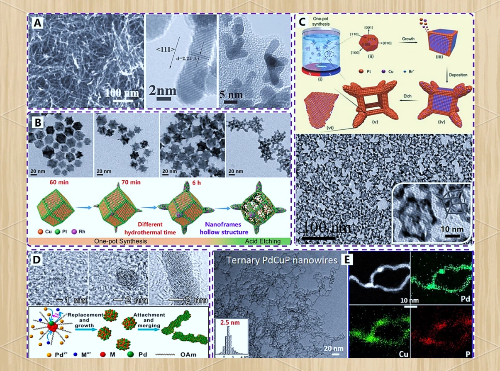
Fig. 1 Nano-Precious Metal Catalysts
1 Introduction
Precious metal catalysts (such as platinum, palladium, rhodium, etc.) serve as critical materials in modern industrial and energy transitions, playing a central role in refining, chemical synthesis, automotive emissions control, and hydrogen energy sectors. Particularly against the backdrop of a global shift toward cleaner energy structures, the rapid development of fuel cell and low-carbon hydrogen industries continues to drive up demand for platinum group metals. Industry projections indicate that by 2030, global clean hydrogen production capacity is expected to exceed ten million tons, further solidifying the strategic importance of precious metal catalysts within the energy supply chain.
However, the widespread adoption of precious metal catalysts still faces multiple structural challenges. Global annual production of platinum group metals is limited and geographically concentrated, making supply chains highly vulnerable to geopolitical tensions and market volatility. To reduce reliance on external resources, enhancing the recycling efficiency of critical materials has become a priority strategy for many nations. Currently, recovering precious metals from industrial spent catalysts primarily relies on processes such as pyrolysis, hydrometallurgical extraction, and pyrometallurgical smelting. However, these methods are generally characterized by high energy consumption and recovery rates compromised by impurities. In technological innovation, researchers are developing non-precious metal alternatives and green solvent systems to reduce dependence on virgin minerals. Concurrently, increasingly stringent environmental regulations are driving the establishment of management systems covering the entire catalyst lifecycle—from production and use to regeneration—prompting the industry to balance resource efficiency with environmental responsibility.
Precision structural design has emerged as a key paradigm for overcoming performance bottlenecks in precious metal catalysts. This strategy aims to achieve synergistic control over the electronic and geometric structures of active sites at the atomic scale. Specifically, electronic structure modulation techniques such as alloying and strain engineering optimize the adsorption behavior of reaction intermediates, thereby enhancing intrinsic activity. Geometric engineering—such as constructing single atoms, nanoclusters, specific crystal planes, or core-shell structures—maximizes active site density and stability. Meanwhile, carrier interface engineering and spatial confinement effects enable precise reaction pathway guidance, thereby overcoming challenges in selective control and long-term stability. This paper systematically explores structural design strategies for three representative catalysts—Pt, Pd, and Au—based on this concept.
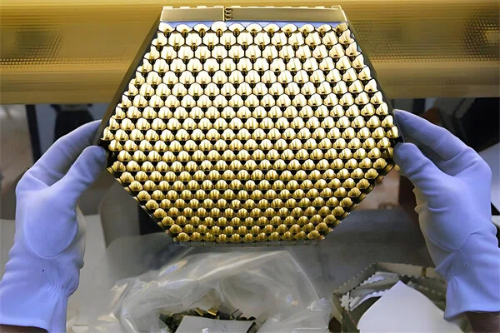
Fig. 2 Precious Metal Catalysts for Gas Combustion
2 Common Issues and Mechanisms of Performance Decline in Precious Metal Catalysts
2.1 Active Site Deficiency and Low Utilization Rate
2.1.1 Adsorption of Poisons and Blockage of Active Sites
Impurities in the reaction feed, such as sulfur-containing (e.g., H₂S, organosulfur compounds) and chlorine-containing species (e.g., chloride ions, organochlorines), can strongly adsorb onto the active centers of noble metal nanoparticles. This chemisorption process often leads to the formation of stable surface compounds like rhodium sulfide (Rh₂S₃) or rhodium chloride (RhCl₃), which permanently occupy and deactivate the catalytic sites. Furthermore, the deposition of these impurities on the catalyst support can physically block the mesopores and micropores of carbon materials, thereby hindering the diffusion of reactant molecules to the active sites.
2.1.2 Metal Particle Agglomeration and Support Degradation
Noble metal nanoparticles (typically 2–10 nm in size) are susceptible to migration and coalescence during high-temperature reaction cycles, leading to the formation of large agglomerates exceeding 50 nm. This sintering phenomenon can reduce the electrochemically active surface area by over 75%. Concurrently, the carbon support itself undergoes degradation under prolonged exposure to high temperatures, manifesting as thermal decomposition, crack formation, and loss of mechanical strength. This structural collapse of the support further accelerates metal particle agglomeration and compromises the overall integrity of the catalyst architecture.
2.1.3 Dissolution and Detachment Induced by Process Fluctuations
Operational instabilities, particularly when the redox potential of the reaction system fluctuates beyond the catalyst's tolerance window (typically ±0.3V), can induce anodic dissolution of the noble metal in acidic environments. This process generates soluble ionic species, such as Rh³⁺, leading to irreversible metal loss. In parallel, prolonged exposure to highly acidic or alkaline conditions can provoke hydrolysis or neutralization of the functional groups on the carbon support surface, weakening the metal-support interaction and resulting in the detachment of active particles.
2.1.4 Vapor-Mediated Corrosion and Pore Collapse
In systems containing water vapor, the condensation and permeation of vapor within the nanopores of the carbon support generate capillary forces and interfacial tension. These stresses can cause micro-fracturing and the collapse of the pore structure. Simultaneously, water vapor can interact with impurities (e.g., Cl⁻, SO₄²⁻) to form a localized corrosive electrolyte, which accelerates the dissolution of metal nanoparticles and their subsequent detachment from the compromised support.
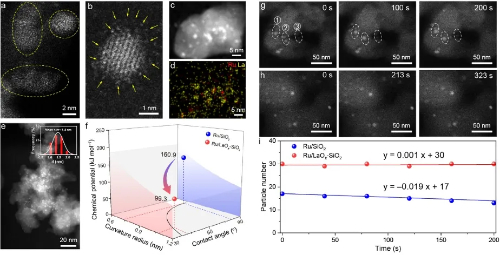
Fig. 3 Nanostructured Island Catalysts for Counteracting Particle Sintering
2.2 Sintering and Ostwald Ripening of Nanoparticles
The sintering of supported metal nanoparticles represents a fundamental cause of high-temperature deactivation in heterogeneous catalysts. Conventional understanding posits that sintering occurs primarily through two substrate-mediated mechanisms: Ostwald ripening and particle migration and coalescence. While advanced in-situ techniques, such as environmental transmission electron microscopy, have validated these pathways under near-ambient pressure conditions, the dynamic evolution mechanisms of nanoparticles under the extreme industrial conditions of high temperature and high pressure remain inadequately understood.
Recent research employing reactive kinetic Monte Carlo simulations combined with density functional theory calculations has revealed a previously unrecognized particle hopping and coalescence (PHC) mechanism under high CO pressure and elevated temperature. This process involves Au nanoparticles detaching from the anatase TiO₂(101) support, undergoing "aerial hopping" via gas-phase migration, and coalescing with other particles. Once the coalesced clusters exceed a critical size, they re-deposit onto the support surface. This behavior is driven by the strong interaction between CO molecules and interfacial Au atoms under high CO chemical potential, which exceeds the nanoparticle–support binding energy.
This mechanism not only elucidates the rapid deactivation pathways of catalysts under realistic working conditions but also implies that nanoparticle sintering and inter-support migration may occur far more frequently and dynamically than previously assumed. The findings provide a new theoretical perspective for understanding thermal stability loss in industrial catalysts and establish a methodological framework for simulating nanoscale systems across coupled spatial and temporal scales.
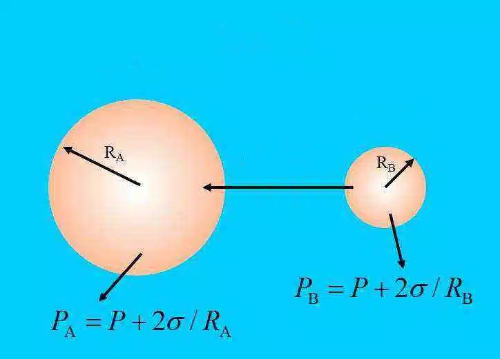
Fig. 4 Ostwald Ripening
2.3 Poisoning of Precious Metal Catalysts
Poisoning of precious metal catalysts refers to the phenomenon where trace impurities in the reaction system irreversibly occupy or degrade the active sites through chemisorption or chemical reactions, leading to a significant decline in the catalyst's activity and selectivity. It represents one of the primary causes of deactivation in industrial catalysts.
2.3.1 Poisoning Mechanisms and Types
Based on the nature of the interaction between the poison and the active sites, poisoning is typically categorized into two types:
A) Chemical Poisoning: The poison interacts strongly with the active sites via chemical forces. This is the most common form of poisoning.
- Poisoning by Strong Chemisorption: Poison molecules undergo irreversible or strongly reversible chemisorption on the active sites, with adsorption energies much higher than those of the target reactants, thereby physically blocking the sites. For example, sulfur-, phosphorus-, and cyanide-containing compounds exhibit very strong adsorption capabilities on many metal surfaces.
- Poisoning via Electronic Effects: The poison alters the electronic structure (e.g., the d-band center) of the precious metal active centers by donating or withdrawing electrons, consequently changing their adsorption capacity for reactants and preventing the catalytic reaction.
- Poisoning via Structural Effects: Certain poisons can induce the rearrangement of surface atoms, disrupting the original geometric structure of the active centers.
B) Physical Poisoning/Fouling: The poison itself may not strongly interact chemically with the active sites but physically deposits over the active sites or at the pore mouths of the support, hindering mass transfer of reactants.
2.3.2 Common Poisons and Their Mechanisms
Different precious metals exhibit varying sensitivities to different poisons. The table below lists typical poisons and their effects:
Table 1 Typical Poisons
|
Poison Category |
Representative Substances |
Primarily Affected Catalysts |
Brief Mechanism Description |
|
Sulfur-containing Compounds |
H₂S, COS, SO₂, Mercaptans, Thiophene |
Pt, Pd, Rh, Ru |
S atoms possess lone pair electrons, enabling highly effective coordination to the d-orbitals of precious metals, forming stable M-S bonds. They are among the most common and potent poisons. |
|
Halogen-containing Compounds |
Cl⁻, HCl, Organochlorides |
Pt, Pd |
Halogen ions or atoms are highly electronegative and adsorb strongly onto metal surfaces, altering catalytic performance via electronic effects. Sometimes, they can cause metal loss by forming volatile halides. |
|
Heavy Metal Compounds |
Compounds of Pb, Hg, As, Bi, Sn |
Most precious metal catalysts |
These metals or their ions have low deposition potentials on precious metal surfaces and can permanently cover active sites via irreversible metal displacement or alloying reactions. |
|
Phosphorus/Nitrogen-containing Compounds |
PH₃, Phosphines, Amines, Cyanides |
Ni, Pd, Pt |
Similar to S-containing compounds, P and N atoms have strong coordination ability and can form stable coordination bonds with active centers. |
|
Unsaturated Hydrocarbons / Coke |
Alkenes, Alkynes, Coke precursors |
Most metal catalysts |
Undergo polymerization and dehydrogenation reactions at high temperatures, forming high molecular weight carbonaceous deposits that physically cover active sites and pores. |
2.3.3 Factors Influencing the Degree of Poisoning
Nature of the Poison: The strength of adsorption, steric hindrance, and electronic effects of the poison molecule with the active site.
Properties of the Catalyst: The electronic structure of different precious metals determines their resistance to poisoning; for instance, Pt is sensitive to CO, while Pd is sensitive to S. The support properties also influence the diffusion and adsorption of poisons.
Process Conditions: Temperature, pressure, reactant concentration, etc. For example, high temperature may desorb certain poisons but can also accelerate coking; a reducing atmosphere may inhibit the adsorption of certain oxidizing poisons (e.g., SO₂).
2.4 Metal Dissolution and Leaching
Metal dissolution and leaching represent a critical degradation pathway in electrocatalysis, particularly affecting platinum and palladium-based catalysts under operational conditions. The electrochemical dissolution mechanism involves complex potential-dependent processes where noble metal atoms oxidize into soluble ionic species. For instance, platinum undergoes sequential oxidation to form Pt²⁺ and Pt⁴⁺ ions that migrate into the electrolyte, following a dynamic dissolution-redeposition pathway where dissolved species preferentially redeposit onto larger particles or more cathodic regions. This phenomenon is significantly accelerated under potential cycling conditions, with dissolution rates being strongly influenced by operational parameters including potential windows, temperature, pH, and scan rates.
Structural defects serve as primary initiation sites for dissolution, where corners, edges, and dislocation sites demonstrate higher susceptibility to oxidative attack. Advanced in situ studies reveal that core-shell nanostructures, such as Pd@Pt nanocubes, experience exacerbated degradation through galvanic corrosion and halide-induced corrosion mechanisms, beginning from the core-shell interface and propagating outward. Concurrently, support material corrosion, particularly carbon support degradation under high potentials and temperatures, further exacerbates metal loss by weakening particle anchoring.
Mitigation strategies focus on enhancing the thermodynamic stability of metal atoms through electronic structure modulation. Alloying platinum with more noble elements like gold demonstrates remarkable effectiveness, where Au incorporation elevates the dissolution onset potential and reduces dissolution rates by approximately 40% through electron donation that increases platinum's nobility. Core-shell architectures utilizing cheaper core materials (e.g., Pd) simultaneously decrease precious metal usage while introducing compressive strain to enhance shell stability. Alternatively, atomic-scale dispersion through single-atom catalysts anchored on modified supports (e.g., Pt on Zr-doped CeO₂) achieves exceptional stability, maintaining structural integrity even under harsh hydrothermal conditions at 800°C by preventing particle migration and sintering.
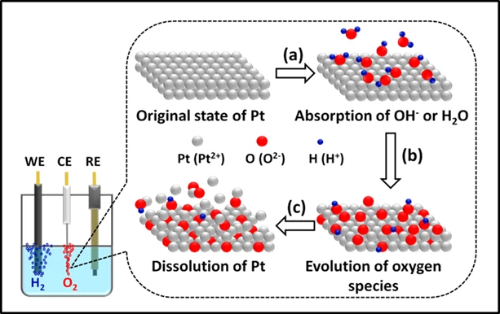
Fig. 5 Platinum Dissolution Phenomenon in the Electrochemical Water Splitting Process for Hydrogen Production
2.5 Loss of Selectivity Control
The precise control of reaction pathways represents a fundamental challenge in complex multi-step reactions, where palladium-based catalysts frequently exhibit compromised selectivity due to unoptimized intermediate adsorption energetics. The underlying mechanism governing selectivity lies in the electronic structure of active sites, particularly the d-band center position, which determines adsorption strengths of reactants and intermediates. In electrochemical nitrile reduction to primary amines, conventional Pd catalysts demonstrate excessive adsorption strength toward *CH₃CN intermediates, promoting undesired deep reduction pathways and hydrogen evolution side reactions that collectively diminish Faradaic efficiency toward target products.
Advanced catalyst design strategies successfully address these limitations through precise manipulation of surface electronic and geometric structures. Lattice strain engineering exemplifies this approach, where Pd@Pd-Cu metallene aeros achieve remarkable ethylamine selectivity of 95.38% by introducing controlled compressive strain that optimally tunes d-band center position and intermediate adsorption strength. The incorporation of copper generates precisely strained palladium surfaces that balance *CH₃CN activation and *CH₃CH=NH intermediate stabilization, effectively suppressing competing pathways.
Further innovation emerges from high-entropy design principles, where PdRhFeCoMo high-entropy metallene disrupts conventional site symmetry through configurational disorder. This "cocktail effect" creates unique local coordination environments that significantly enhance ethanol adsorption and C-C bond cleavage capability, achieving unprecedented C1 pathway selectivity of 84.12% in ethanol oxidation while simultaneously improving poisoning resistance through modified surface hydrogen behavior.
Bimetallic synergy provides additional dimensions for selectivity optimization, as demonstrated by Pt-Pd metallene aeros where platinum incorporation modulates palladium's d-band center to create dual-functional catalysts capable of simultaneously promoting anodic ethanol oxidation and cathodic hydrogen evolution. This electronic structure optimization balances adsorption energetics for different intermediates across multiple reactions, enabling efficient cascade processes.
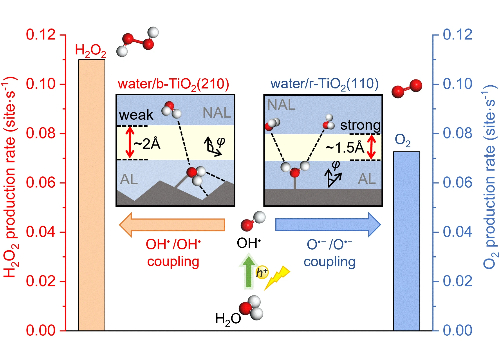
Fig. 6 Selective Control of Photocatalytic Water Oxidation
3 Three Material-Specific Solutions
3.1 Approach to Platinum-Based Catalyst Solutions
Platinum (Pt)-based catalysts are essential for the oxygen reduction reaction (ORR) at the cathode of proton exchange membrane fuel cells (PEMFCs), yet their widespread commercialization remains hindered by three fundamental challenges: sluggish ORR kinetics, high cost due to Pt scarcity, and structural degradation—including dissolution, migration, and sintering of Pt nanoparticles—under dynamic operating conditions such as potential cycling and high voltage. To address these limitations, advanced material design strategies have been developed, primarily centered around the following three approaches.
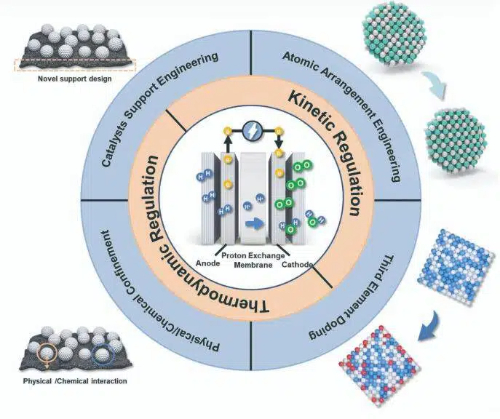
Fig. 7 Enhancing the Stability of Platinum-Based Catalysts for Fuel Cells
Solution 1: Pt-M Alloys and Core–Shell Structures
This approach involves tailoring the electronic structure of Pt through the introduction of transition metals (M), which enhances both catalytic activity and durability while reducing Pt loading.
Strategy Description:
Pt-based alloy nanoparticles—incorporating transition metals such as Ni, Co, Fe, or Cu—are synthesized via wet-chemical or galvanic replacement methods. Alternatively, core–shell architectures (e.g., Pd@Pt) or Pt-skin structures are constructed, wherein a Pt-rich shell encloses a more affordable core material such as Pd or a non-noble metal.
Mechanism of Action:
Electronic (Ligand) Effect: Electron transfer from transition metals to Pt downshifts the d-band center of Pt, optimizing the adsorption energy of oxygen-containing intermediates (e.g., O and OH) and thereby accelerating ORR kinetics. For instance, the Pt3Ni(111) surface exhibits over tenfold higher ORR activity than Pt(111).
Geometric (Strain) Effect: Lattice mismatch between the core and the Pt shell induces compressive strain, which further fine-tunes the electronic structure of Pt and enhances its catalytic performance.
Economic Benefit:
By concentrating Pt in the surface layer, core–shell structures maximize Pt utilization efficiency, significantly lowering the overall catalyst cost.
Solution 2: Morphology Control and High-Index Facet Exposure
This strategy focuses on shaping Pt nanocrystals to expose highly active crystal facets, improving mass activity without altering the chemical composition.
Strategy Description:
Using colloidal synthesis techniques with carefully controlled surfactants and reduction kinetics, well-defined Pt nanostructures—such as nanocubes ({100} facets), octahedra ({111} facets), and dendritic frameworks—are produced.
Mechanism of Action:
High-Activity Facets: High-index facets (e.g., {730}, {510}) possess a high density of step and kink atoms, which serve as highly unsaturated active sites. These sites facilitate O–O bond cleavage and intermediate desorption, leading to superior intrinsic ORR activity.
Structural Integrity: Certain architectures—such as nanoframes and branched nanostructures—provide robust frameworks that resist particle migration and coalescence, thereby improving catalytic stability.
Solution 3: Stable Supports and Strong Metal–Support Interaction
This approach aims to mitigate carbon support corrosion—a major cause of Pt nanoparticle detachment and degradation—by employing robust, functionalized carrier materials.
Strategy Description:
Conventional carbon supports are replaced with advanced materials, including:
Graphitic carbons (e.g., graphene, carbon nanotubes), known for high electrical conductivity and corrosion resistance;
Heteroatom-doped carbons (e.g., N-, B-, P-doped), which enhance metal–support interaction and modify electronic properties;
Metal oxides/carbides (e.g., TiO2, SnO2, TiC), offering excellent stability under oxidizing conditions.
Mechanism of Action:
Strong Metal–Support Interaction (SMSI): Functional groups or defects on the support surface form strong covalent bonds (e.g., Pt–O–Ti) with Pt nanoparticles, effectively suppressing particle migration, Ostwald ripening, and detachment.
Enhanced Durability: The superior electrochemical stability of these supports under high-potential conditions minimizes corrosion-induced Pt loss, thereby extending catalyst lifetime.
Table 1 Platinum-Based Catalyst Solutions Comparative Chart
|
Solutions |
Core Strategies |
Mechanisms for Enhancing Activity |
Mechanisms for Enhancing Stability |
Cost-Effectiveness |
Key Challenges |
|
Pt-M Alloys and Core-Shell Structures |
Composition and Structure Regulation |
Ligand effects and strain effects jointly optimize Pt's d-band centers, lowering the ORR energy barrier. |
Alloying elements or core layers enhance Pt dissolution potential through support effects; certain alloying elements (e.g., Ni) form Pt-skin structures upon dissolution, improving surface stability. |
High (significantly reduces Pt consumption) |
Transition metals may leach in acidic environments, leading to activity decay and membrane fouling; core-shell structure fabrication processes are complex. |
|
Morphology Control and High-Index Crystal Planes |
Surface Engineering |
Exposing high-index crystal planes with high-density unsaturated coordination atoms provides highly intrinsic active sites. |
Interconnected structures with specific morphologies (e.g., dendrites, nanoframes) suppress particle migration. |
Moderate (high Pt utilization but relatively high synthesis cost) |
High-index crystal planes are typically unstable under reaction conditions and readily reconstruct into low-energy planes; challenges exist in achieving scalable synthesis and reproducibility. |
|
Stable Supports with Strong Metal-Support Interactions |
Support Engineering |
Doped carbon supports can modulate Pt electronic structure via electronic effects; improve mass transfer. |
Strong interactions anchor Pt particles; highly stable supports resist corrosion and prevent particle detachment. |
Moderate (carrier cost may increase, but extends lifespan) |
Some highly stable carriers (e.g., metal oxides) exhibit poor conductivity, potentially increasing interfacial resistance; precise control of metal-carrier interaction mechanisms is required. |
3.2 Palladium-Based Catalyst Solutions
Palladium (Pd)-based catalysts are pivotal in fine chemical synthesis, particularly in cross-coupling and selective hydrogenation/oxidation reactions. Nevertheless, their practical implementation has been persistently constrained by three major challenges: the difficulty in recovering and reusing homogeneous Pd catalysts despite their high selectivity; the non-uniform active sites in heterogeneous Pd catalysts, leading to issues such as leaching and sintering-induced deactivation; and the significant difficulty in achieving precise control over chemical, regio-, and stereoselectivity. To concurrently address activity, stability, and selectivity, the following advanced strategies have been developed.
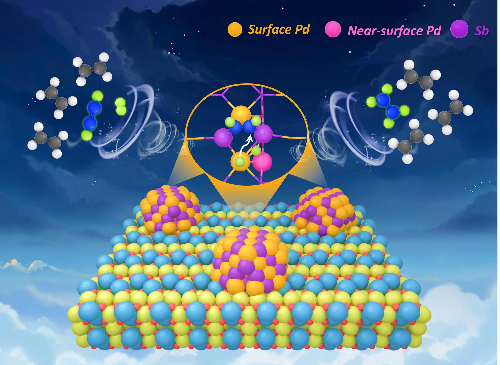
Fig. 8 Palladium-Based Catalyst Hydrogenation Site for Alkenes
Solution 1: Single-Atom Catalysts
This approach involves stabilizing Pd as isolated atoms to create structurally uniform active sites, offering an ideal pathway toward maximal selectivity and atomic efficiency.
Strategy Description:
Individual Pd atoms are anchored onto defect-rich supports—such as metal oxides (CeO2, TiO2), carbon nitride (g-C3N4), or nitrogen-doped carbon (N-C)—via methods including strong electrostatic adsorption, co-precipitation, or high-temperature pyrolysis.
Mechanism of Action:
Maximized Atomic Efficiency and Uniform Active Sites: Each Pd atom serves as an independent and structurally identical active site, achieving near-theoretical atomic utilization. This uniformity eliminates side reactions caused by heterogeneous active sites, enabling exceptionally high target product selectivity.
Enhanced Stability: Strong covalent interactions between Pd atoms and heteroatoms (e.g., O, N) on the support surface effectively immobilize the Pd species, suppressing migration, agglomeration, and leaching, thereby improving catalytic durability over multiple cycles.
Solution 2: Nanoclusters and Confinement Catalysis
This strategy focuses on precise control of Pd atom numbers and exploitation of spatial confinement to tailor catalytic behavior at the sub-nanometer scale, enabling molecular-level selectivity.
Strategy Description:
Pd clusters with well-defined nuclearity (e.g., Pd4, Pd8) are synthesized using precise colloidal or chemical methods. Alternatively, Pd species are encapsulated within the ordered porous frameworks of zeolites or metal-organic frameworks (MOFs) via ship-in-a-bottle synthesis.
Mechanism of Action:
Quantum Size Effects: At the sub-nanometer cluster scale, Pd exhibits discrete electronic structures that differ from both single atoms and larger nanoparticles, leading to unique catalytic properties and the activation of specific reaction pathways.
Spatial Confinement and Shape-Selective Catalysis: The confined pore environments of zeolites or MOFs act as nanoreactors, which:
Selectively admit reactants and release products based on molecular size and shape (size selectivity),
Restrict transition-state geometries to control reaction stereochemistry (stereoselectivity),
Physically isolate Pd clusters to prevent aggregation and growth.
Solution 3: In Situ Formation of Pd Nanoparticles in Liquid Phase
This approach leverages a dynamic catalytic system where active Pd species are generated in situ, combining the high performance of homogeneous catalysis with the facile recovery of heterogeneous catalysis.
Strategy Description:
Soluble Pd precursors (e.g., Pd(OAc)2) or ligand-stabilized complexes are introduced into the reaction mixture, where they are reduced in situ under reaction conditions to form highly active Pd nanoparticles or nanoclusters on the support or within the liquid medium.
Mechanism of Action:
Synergy Between Homogeneous and Heterogeneous Catalysis: In situ-formed Pd nanoparticles are small, defective, and highly active, resembling homogeneous catalysts in performance. After the reaction, these species can be transformed into less active or insoluble forms (e.g., via oxidation or agglomeration), enabling straightforward separation and recycling akin to heterogeneous systems.
Mitigation of Deactivation: This dynamic process resolves the stability–activity trade-off: highly active small particles form during the reaction, while a more stable state is adopted post-reaction, minimizing irreversible sintering and deactivation during reuse.
Table 2 Palladium-Based Catalyst Solutions Horizontal Comparison Table
|
Solution |
Core Strategy |
Selectivity Strength |
Stability Mechanism |
Atom Utilization |
Applicable Scenarios |
|
Single-Atom Catalysts |
Atomic dispersion and structural homogenization |
Chemical and stereoselectivity |
Strong metal-support bonding |
~100% |
Selective hydrogenation, CO oxidation |
|
Nanoclusters & Confined Catalysis |
Precise nuclearity and spatial confinement |
Size and stereoselectivity |
Physical confinement prevents agglomeration |
High |
Chiral synthesis, shape-selective reactions |
|
In Situ Formation of Pd Nanoparticles |
Dynamic active species formation |
Chemical selectivity |
Dynamic equilibrium reduces sintering |
High during reaction, requires reactivation |
Recyclable fine chemical synthesis |
3.3 Gold-Based Catalyst Solutions
Gold (Au), while chemically inert in its bulk form, demonstrates exceptional catalytic activity when engineered at the nanoscale and properly supported—a transformative discovery that has reshaped modern catalysis. The practical deployment of gold-based catalysts, however, faces three major challenges: the intrinsic inertness of bulk Au; the strong tendency of Au nanoparticles to sinter or undergo Ostwald ripening under reaction conditions, leading to rapid deactivation; and sensitivity to moisture and certain poisoning species. To overcome these limitations and unlock the full potential of Au nanocatalysts, several advanced design strategies have been developed, as outlined below.
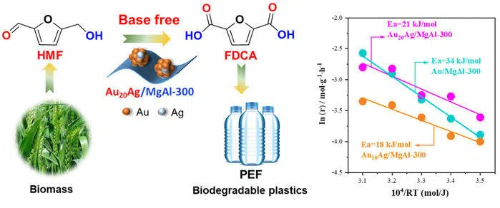
Fig. 9 Gold-Based Catalysts for Bioconversion
Solution 1: Size Control and Support Engineering
This approach leverages quantum effects and support interactions to activate Au nanoparticles by precisely controlling their size and dispersion state.
Strategy Description:
Gold nanoparticles smaller than 5 nm—optimally in the 2–3 nm range—are synthesized via methods such as deposition–precipitation or colloidal synthesis, and deposited onto reducible metal oxide supports including TiO2, Fe2O3, and CeO2.
Mechanism of Action:
Quantum Size Effects: As Au particle size decreases below ∼5 nm, its electronic structure transitions from metallic to non-metallic, resulting in a high proportion of under-coordinated surface atoms (e.g., steps, edges). These sites exhibit enhanced adsorption and activation capabilities for small molecules such as CO and O2, constituting the fundamental origin of Au’s catalytic activity.
Support-Mediated Activation: Certain metal oxide supports not only stabilize Au nanoparticles but also participate directly in catalytic cycles. For example, in CO oxidation via the Mars–van Krevelen mechanism, lattice oxygen from the support (e.g., CeO2) reacts with CO, while gas-phase O2 replenishes oxygen vacancies, creating a synergistic catalytic cycle between Au and the support.
Solution 2: Au–Support Interface and Bifunctional Sites
This strategy focuses on the deliberate design of interfacial sites between Au nanoparticles and the support, where synergistic catalysis occurs.
Strategy Description:
Through careful control of synthesis parameters—such as support facet selection, calcination temperature, and atmosphere—Au nanoparticles are finely dispersed to maximize the density and stability of Au–support interfacial sites.
Mechanism of Action:
Interfacial Bifunctional Catalysis: In key reactions like low-temperature CO oxidation, the active site is often located at the Au–support perimeter. Here, Au facilitates CO adsorption and activation, while the adjacent support activates O2 (or H2O). This spatial and functional division of labor significantly lowers the activation barrier and enhances reaction rates through synergistic interaction.
Solution 3: Alloying and Surface Modification
This approach enhances both the activity and stability of Au catalysts by introducing a second metal or oxide modifier to tailor electronic and structural properties.
Strategy Description:
Au is alloyed with other metals (e.g., Pd, Pt, Ag) or surface-modified with metal oxides (e.g., FeOx, TiOx) to form alloy nanoparticles or core–shell and decorated architectures.
Mechanism of Action:
Electronic Modulation: The introduction of a second element alters the electron density of Au atoms via ligand effects, fine-tuning the adsorption strength of intermediates and expanding the reaction scope beyond what pure Au can achieve.
Structural Stabilization: The secondary component acts as a physical spacer, inhibiting direct contact and coalescence of Au particles during thermal treatment or reaction, thereby improving sintering resistance and operational longevity.
Table 3 Gold-Based Catalyst Solutions Horizontal Comparison Table
|
Solutions |
Core Strategy |
Active Site |
Mechanism for Enhancing Stability |
Advantages |
Key Challenges |
|
Size Effect and Carrier Selection |
Controlling particle size (<5 nm) using specific carriers |
Low coordination atoms on the surface of small Au particles; carrier-participating activation sites |
Carriers provide anchoring sites, suppressing particle migration |
High intrinsic activity, diverse carrier options, and in-depth mechanism studies |
Thermodynamic instability of small particles, prone to sintering; strong dependence on carrier properties |
|
Construction of Au-Support Interface |
Precise Control of the Contact Interface Between Au and the Support |
Dual-Functional Sites at the Au-Support Interface |
Strong Metal-Support Interactions Stabilize Au Particles |
Fully Exploiting the Synergistic Effects Between Gold and the Support, with Well-Defined Active Sites |
The Interface Structure May Reconfigure During Reactions, Demanding High Reproducibility in Preparation |
|
Alloying and Surface Modification |
Introducing a second component to regulate electronic and geometric structures |
Au atoms near alloy surfaces or modified layers |
The second component acts as a physical barrier, preventing Au particles from contacting sintered layers |
Simultaneously enhances activity and thermal stability with strong tunability |
May introduce cost or complexity; the second component may segregate or leach out |
4 Comprehensive Comparison and Outlook
4.1 Comprehensive Comparison
Through an in-depth analysis of the three key precious metal catalysts—platinum (Pt), palladium (Pd), and gold (Au)—we can systematically summarize their characteristics and solutions, distilling common design principles and future development directions.
Table 4 Comprehensive Comparison of Three Precious Metal Catalysts
|
Material |
Core Application |
Primary Issue |
Core Solution |
Effect and Characteristics |
|
Pt |
Electrocatalysis |
Cost, Activity, Stability |
Alloying/Core-Shell/Morphology Control |
Enhancing intrinsic activity, reducing dosage |
|
Pd |
Chemical Synthesis |
Selectivity, Recovery, Deactivation |
Single Atom/Cluster/Confined |
Enabling precise synthesis and easy separation |
|
Au |
Environmental Catalysis |
Intrinsically inert, prone to sintering |
Dimension Control/Interface Engineering |
Activates performance, enhances thermal stability |
4.2 Extraction of Universal Design Principles
Although the three catalysts face distinct challenges, their solutions reveal shared principles in catalytic material design:
Interfacial engineering is universally critical: Whether at Pt-support, Au-support, or Pd-support interfaces, these regions are pivotal for constructing synergistic catalysis, enhancing metal-support interactions, and improving stability. Interfaces serve as the primary battleground for overcoming the limitations of individual materials.
Electronic Structure Modulation is Central to Enhancing Intrinsic Activity: Modulating the d-band centers of active sites through alloying, doping, strain engineering, and other means to optimize adsorption/desorption energy barriers for reaction intermediates represents a universal strategy for overcoming catalytic activity bottlenecks.
Geometric structure control serves as a powerful tool for stabilizing catalysts and regulating selectivity: Precise control over the geometric arrangement of active sites—from single atoms and nanoclusters to high-index crystal planes—can simultaneously enhance activity by increasing the number of low-coordinated atoms while precisely directing reaction pathways and selectivity through steric hindrance and confinement effects.
4.3 Future Outlook
Looking ahead, research on precious metal catalysts is advancing into a new phase characterized by deep multidisciplinary integration, data-driven approaches, and a strong emphasis on sustainable development.
Integration across material systems and cross-pollination of design philosophies will emerge as key directions. For instance, applying the mature core-shell structure concept from platinum-based catalysts to palladium systems could further reduce catalyst consumption and costs. Alternatively, employing sophisticated interfacial engineering strategies from gold-based catalysts to enhance the durability of platinum-based electrocatalysts could yield novel high-performance catalytic systems through this cross-fertilization of ideas.
The synergistic evolution of artificial intelligence and advanced characterization techniques will profoundly transform R&D paradigms: On one hand, machine learning will empower high-throughput virtual screening, rapidly identifying optimal solutions from vast combinations of composition, structure, and supports to achieve “on-demand customization” of catalysts. On the other hand, breakthroughs in in-situ/operational characterization techniques like synchrotron radiation and environmental scanning electron microscopy will enable real-time atomic-scale observation of dynamic structural evolution within actual reaction environments. This unified approach will reveal the nature of active sites and deactivation mechanisms, guiding more targeted rational design.
Ultimately, all these technological advancements must serve the grand objective of sustainable development. This means that green recycling technologies for precious metals and the establishment of circular economic systems will become equally important as the performance design of catalysts themselves. Simultaneously, developing alternative catalysts with ultra-low precious metal loadings or even completely non-precious metal alternatives will be the fundamental pathway to address resource constraints and achieve long-term development in the chemical and energy sectors.
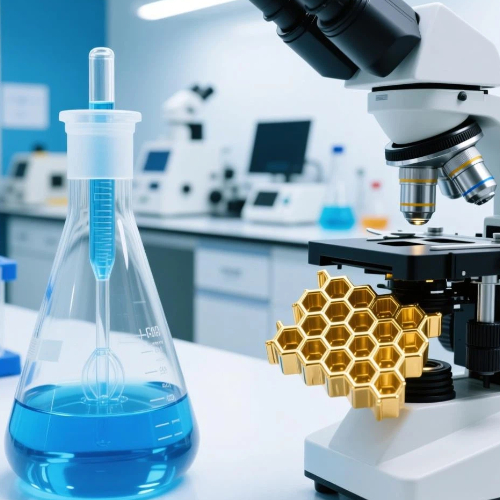
Fig. 10 Applications of Precious Metal Catalysts
Partner for Advanced Catalytic Solutions
Stanford Advanced Materials (SAM) supplies high-purity Pt, Pd, and Au catalysts and supports, tailored to your R&D and industrial needs. Contact our technical team to discuss custom solutions.
Reference
[1] Zandkarimi, B.; Poths, P.; Alexandrova, A. N. When Fluxionality Beats Size Selection: Acceleration of Ostwald Ripening of Sub‑Nano Clusters. Angew. Chem. Int. Ed. 2021, *60* (11), 5701-5704. DOI: 10.1002/anie.202100107.
[2] Zhang, S.; Han, Y.; Zhu, B.; Gao, Y. Particle Hopping and Coalescence of Supported Au Nanoparticles in Harsh Reactive Environments. J. Am. Chem. Soc. 2025. DOI: 10.1021/jacs.5c03633.
[3] Liu, L.; Lu, J.; Wang, L.; Xiao, F.-S. Dealuminated Beta zeolite reverses Ostwald ripening for durable copper nanoparticle catalysts. Science 2023, *382* (6673), 771-776. DOI: 10.1126/science.adj1962.
[4] Li, W.; Ouyang, R. Stability of Nanocatalysts under Reaction Conditions: A Theoretical Study. J. Am. Chem. Soc. 2013, *135* (5), 1760–1771. DOI: 10.1021/ja3087054.
[5] Li, W., & Ouyang, R. (2013). Stability of Nanocatalysts under Reaction Conditions: A Theoretical Study. Journal of the American Chemical Society, 135(5), 1760–1771. DOI: 10.1021/ja3087054.
[6] Yin, P., Hu, S., Liang, H., & Li, W. (2021). Quantification of critical particle distance for mitigating catalyst sintering. Nature Communications, 12, 4865. DOI: 10.1038/s41467-021-25116-2.
 Dr. Samuel R. Matthews