
 Products
 Bars
Bars
 Beads & Spheres
 Bolts & Nuts
 Crucibles
 Discs
Discs
 Fibers & Fabrics
 Films
Films
 Flake
Flake
 Foams
Foams
 Foil
Foil
 Granules
 Honeycombs
 Ink
Ink
 Laminate
 Lumps
Lumps
 Meshes
 Metallised Film
 Plate
Plate
 Powders
 Rod
Rod
 Single Crystals
 Sputtering Target
 Tubes
Tubes
 Washer
 Wires
Wires
 Converters & Calculators
 Write for Us



Tantalum Ingots in Corrosion-Resistant Gas Compressor Components

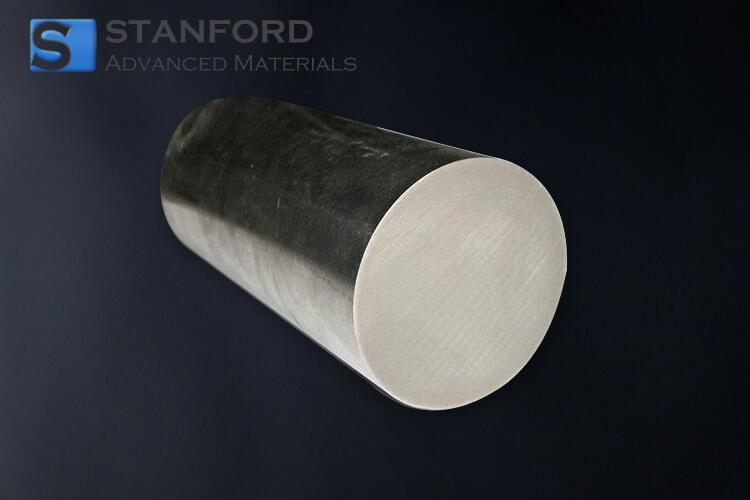
Material selection for the various components of gas compressors is important for durability, reliability, and efficiency over an extended period. In components subjected to attack by aggressive media, tantalum ingots have emerged as a premier choice because of their exceptional corrosion resistance, combined with high-temperature stability.
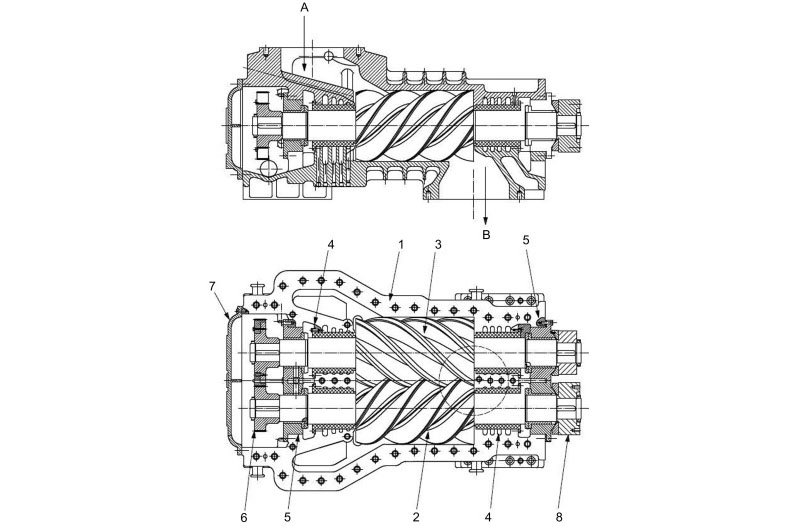
Fig. 1 Gas Compressor Diagram [1]
Why Use Tantalum in Corrosive Environments?
1. Exceptional Corrosion Resistance
Tantalum is among the most resistant metals against corrosion, mainly in strongly acid media and aggressive chemical reagents. In fact, it is resistant to acidic gases and liquids like no other element, which makes it suitable for gas compressors with possible corrosive fractions in the air or gas. For example, in petrochemical refineries, a sulfur-bearing gas can quickly destroy less-resistant materials within hours. By creating a stable, protecting oxide layer on its surface, tantalum prevents further corrosion; this will increase the lifespan of compressor parts and reduce idle periods.
Related reading: Corrosion resistance of tantalum to water, aqueous solutions and non-metals
2. Outstanding Performance at High Temperature
Most of the gas compressors are exposed to high-temperature conditions, especially in industries involved in energy. Tantalum can operate under extremely high temperatures due to its incredibly high melting point of 3,017°C (5,463°F). Therefore, tantalum ingots are considered ideal for the manufacture of compressor parts like rotors and pistons that operate at high temperatures, ensuring maximal efficiency.
3. Superior Durability and Strength
The inherent strength and durability of tantalum make it highly suitable for components that are subjected to continuous mechanical stress. In gas compressors, parts like rotors and valves are exposed to very high shear forces and mechanical wear. The excellent tensile strength and fatigue resistance of tantalum tend to minimize wear, thus making components last longer even under extreme operating conditions.
Common Applications of Tantalum in Gas Compressors
1. Compressor Rotors and Blades
The rotors and blades in gas compressors are subjected to constant wear and tear because of high-speed rotation with constant bombardment by abrasive particles in the gas stream. Tantalum, being very resistant to abrasion, is so applied in the rotors and blades which are required to bear corrosion and mechanical stresses simultaneously. The high melting point of tantalum ensures these components retain their structural integrity, even in compressors operating at elevated temperatures.
2. Seals and Valve Components
The seals and valves of gas compressors provide the tight seal required to hold pressure and avoid gas leakage. Many corrosive environments cause these components to break down, usually from the gases for which the seals are designed. Tantalum is used to fabricate seals, valve seats, and valve bodies; its resistance to corrosive gases allows long-lasting performance and prevents leakage or failure. Its malleability and formability enable the precision manufacturing of complex geometries required in today's compressor systems.
3. High-Pressure Components
Gas compressors operate under very high pressures, hence placing very high stresses on parts such as the compression chambers, flanges, and cylinder heads. The resistance of tantalum to deformation, coupled with its capability to withstand extreme pressure variations, makes it highly suitable for such critical parts. Applications that would ordinarily see failure due to material stress or corrosion can sustain structural integrity and longevity with the use of tantalum.
4. Components of a Heat Exchanger
Gas compressors are used in conjunction with heat exchangers in many industries where temperature changes may occur either during or after compression. The tubes and baffles of heat exchangers that are in contact with corrosive hot gases leverage tantalum's exceptional corrosion resistance combined with its good thermal shock resistance. This ensures structural integrity and reliable heat transfer performance under aggressive thermal cycling, where corrosion would degrade other materials.
Corrosion Resistance: Tantalum and Other Materials
Though stainless steel, titanium, and nickel-based alloys find wide applications in gas compressors, they don't stand up against tantalum on corrosion resistance and high-temperature stability grounds. Below is a brief comparison of tantalum against other materials. For more metal products, please check Stanford Advanced Materials (SAM).
|
Property |
Tantalum |
Stainless Steel |
Titanium |
Nickel Alloys |
|
Corrosion Resistance |
Excellent (acidic, alkalis, chlorine) |
Good (but prone to attack by sulfuric acid, chlorine) |
Good (corrosion-resistant in saltwater) |
Good (but susceptible to acidic environments) |
|
High-Temperature Resistance |
Excellent (up to 3,017°C) |
Moderate (1,400°C–1,500°C) |
Moderate (1,600°C) |
Excellent (1,300°C–1,400°C) |
|
Strength |
High tensile strength |
Moderate |
High strength-to-weight ratio |
High strength, but prone to creep at high temps |
|
Formability |
Challenging to work with |
Easy to weld and fabricate |
Easy to weld and fabricate |
Easy to weld and fabricate |
|
Durability |
High (long lifespan) |
Moderate (subject to wear and corrosion) |
Moderate (wear-resistant) |
Moderate (wear-resistant, but less corrosion-resistant than tantalum) |
Conclusion
Tantalum ingots provide the greatest benefit in compressor applications requiring superior corrosion resistance and stability at high temperatures. Other materials, including those made of stainless steel and titanium, have their place, but tantalum remains the main material for very harsh industrial environments in which high performance, reliability, and long service life are crucial.
Reference:
[1] Eugene "Buddy" Broerman, Tim Manthey, Jürgen Wennemar, Justin Hollingsworth, Chapter 6 - Screw Compressors, Editor(s): Klaus Brun, Rainer Kurz, Compression Machinery for Oil and Gas, Gulf Professional Publishing, 2019, Pages 253-307, ISBN 9780128146835.
 Dr. Samuel R. Matthews