
 Products
 Bars
Bars
 Beads & Spheres
 Bolts & Nuts
 Crucibles
 Discs
Discs
 Fibers & Fabrics
 Films
Films
 Flake
Flake
 Foams
Foams
 Foil
Foil
 Granules
 Honeycombs
 Ink
Ink
 Laminate
 Lumps
Lumps
 Meshes
 Metallised Film
 Plate
Plate
 Powders
 Rod
Rod
 Single Crystals
 Sputtering Target
 Tubes
Tubes
 Washer
 Wires
Wires
 Converters & Calculators
 Write for Us



Optimizing Tungsten Carbide Tips for Saw Blades & Drill Bits Production

Customer Background
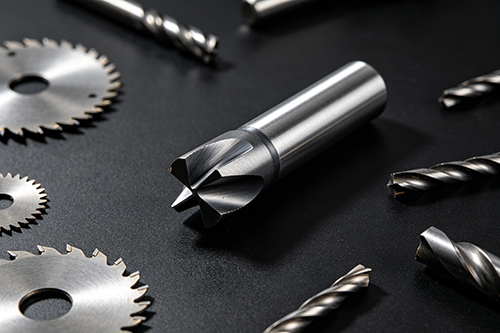
A leading North American manufacturer in the power tool sector sought improvements in the durability and performance of their carbide tips used in saw blades and drill bits. With a robust production line dedicated to high-volume manufacturing, their operations depended on consistent material behavior and mechanical strength. Their engineering teams focused on tool assembly, test protocols, and production cycle optimization. However, they encountered challenges in sourcing tungsten carbide tips that reliably balanced the needed hardness for maintaining wear resistance with sufficient toughness to handle high-impact loads. The production environment demanded materials with exacting mechanical properties while maintaining cost-effectiveness on a large scale.
Challenge
The manufacturer required tungsten carbide tips that met several intertwined technical and logistical constraints. They needed:
- Specific material tuning with tungsten carbide (WC) grain sizes ranging from 0.2 to 5 μm. In saw blades, finer grains aid in achieving sharper edges, whereas drill bits typically benefit from a slightly coarser structure to absorb impact energy.
- A cobalt (Co) binder concentration adjustable between 6% and 15% to ensure the right balance between hardness and toughness. Lower Co content provided the necessary hardness for cutting, while higher Co levels increased impact resistance.
- Consistency in production: every batch needed to maintain a narrow grain size distribution and binder percentage, minimizing variability which could lead to premature tool wear or unexpected breakages.
- A strict supply timeline. The production cycle could not tolerate long downtime or erratic deliveries, meaning the tungsten carbide tips had to be reliably available at scale without compromise to quality.
Previous material suppliers struggled to meet these exacting parameters, and minor deviations were enough to disrupt the manufacturing process, causing delays in tool assembly and subsequent quality control issues.
Why They Chose SAM
The customer turned to Stanford Advanced Materials (SAM) because of our three decades of experience and our reputation for customized material solutions. Our team's extensive experience with over 10,000 materials and a global customer base reassured them that we could handle the technical complexities of tailoring WC-Co properties. During early discussions, our engineers reviewed the customer's specific needs and observed that slight adjustments in grain size distribution could significantly impact the tool's resistance to both wear and impact loads. Our willingness to engage in detailed technical dialogue and propose controlled modifications convinced them that SAM was the right partner to address these challenges.
Solution Provided
At SAM, our solution was built on rigorous engineering analysis and controlled material processing:
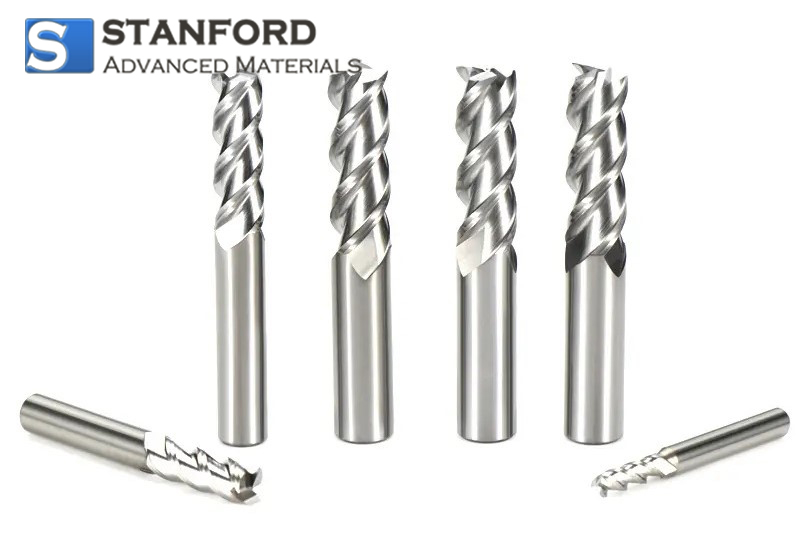
We started with a custom formulation of tungsten carbide. Our team adjusted the initial powder mix to produce grain sizes between 0.2 and 5 μm—an important adjustment for optimizing different tool functions. For instance, saw blades required a finer grain to maintain a sharp cutting edge over extended periods, while drill bits needed a slightly coarser structure to absorb impact energy without fracturing. We maintained a tight distribution during sintering, and the process included precise temperature control to ensure carbide grains bonded adequately with the cobalt binder.
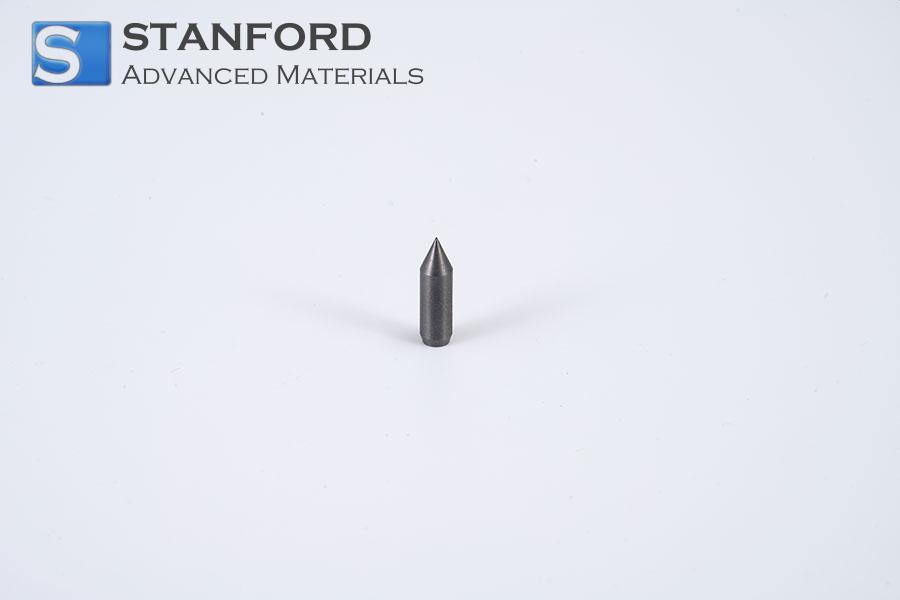
The cobalt content was also carefully calibrated. We produced batches with binder concentrations ranging between 6% and 15%. During initial testing, we noticed that a slight variation of even 1% in Co content could change the tip's resistance to chipping. Therefore, our quality control measures included in-line spectrometry and microstructural analysis. Each batch was evaluated to confirm that adjustments in binder content translated correctly to the mechanical properties requested by the customer.
Another aspect of the process was ensuring that our final product met strict dimensional and performance specifications. For example, every tungsten carbide tip underwent a series of high-resolution imaging and micro-hardness tests to confirm that the resulting material structure met both the high hardness and impact toughness required for dual applications in saw blades and drill bits. Our team manually verified selected samples, ensuring that any emerging inconsistencies were immediately addressed by adjusting the sintering cycle or binder percentages.
Packaging was also an essential part of our solution. Recognizing the real-world constraint of supply lead time, our logistics team carefully coordinated production schedules to meet the customer's demands without compromising material integrity. Each shipment was labeled with detailed batch information, including the exact WC grain size range and cobalt content, ensuring traceability and reassurance for the manufacturer during high-volume runs.
Results & Impact
The collaboration with SAM led to measurable improvements in their manufacturing process. The tungsten carbide tips performed reliably in both saw blades and drill bits. Our customer reported:
- Consistent material performance: The controlled grain size combined with the tailored Co content resulted in tools that retained their edge under high-stress conditions and exhibited improved resistance to impact fractures.
- Improved tool durability: With the correct balance between hardness and toughness, both saw blades and drill bits showed extended lifespans, reducing the frequency of replacements without sacrificing production cycle speed.
- Efficient production runs: Our streamlined supply chain allowed for on-schedule deliveries while ensuring each batch met the strict guidelines. This consistency meant fewer production stoppages and a smoother transition between manufacturing shifts.
During initial field tests, it was noted that saw blades maintained their cutting sharpness over longer periods, and drill bits effectively withstood repeated high-impact cycles with minimal degradation. Over several production cycles, the reduced variability in material properties translated into lower rejection rates and fewer downtimes due to maintenance.
Key Takeaways
Attention to detail in material composition matters. Balancing WC grain size against cobalt binder content directly affects the performance of tungsten carbide tips, whether for aggressive cutting or heavy impact applications. By applying strict controls during powder preparation, sintering, and final quality checks, we were able to match the customer's precise operational requirements.
The case underlines the importance of technical dialogue between suppliers and manufacturers. Early collaborative testing helped preempt potential issues, allowing minor adjustments before full-scale production. Our ability to comply with tight delivery schedules while maintaining comprehensive batch traceability ensured that the customer's production line remained uninterrupted.
In the end, working with Stanford Advanced Materials (SAM) meant more than a transactional relationship. It became an exercise in real-world engineering problem-solving—delivering tangible, repeatable improvements in tool performance and production reliability. The balanced approach to hardening and toughening the tungsten carbide tips not only met but, in many respects, exceeded the manufacturer's initial expectations while aligning with their cost-effectiveness goals.
 Dr. Samuel R. Matthews