Products
 Bars
Bars
 Beads & Spheres
 Bolts & Nuts
 Crucibles
 Discs
Discs
 Fibers & Fabrics
 Films
Films
 Flake
Flake
 Foams
Foams
 Foil
Foil
 Granules
 Honeycombs
 Ink
Ink
 Laminate
 Lumps
Lumps
 Meshes
 Metallised Film
 Plate
Plate
 Powders
 Rod
Rod
 Single Crystals
 Sputtering Target
 Tubes
Tubes
 Washer
 Wires
Wires
 Converters & Calculators
 Write for Us



Pros and Cons of Different Types of Mortars and Pestles

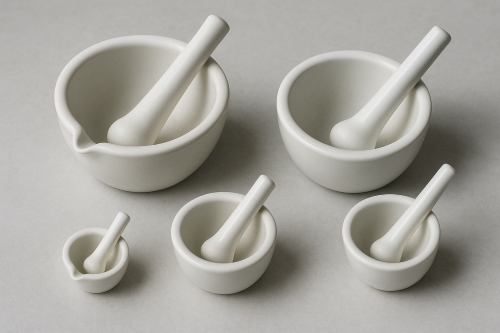
Porcelain / Ceramic Mortars and Pestles
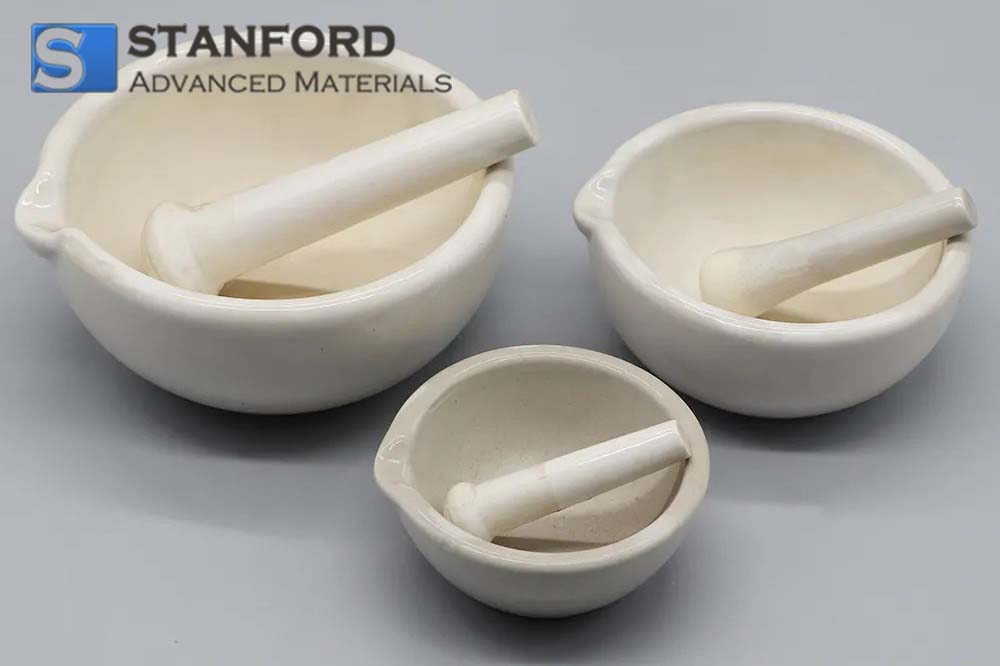
Porcelain and ceramic types are common in many kitchens. They have a smooth surface that works well for grinding herbs and spices. Their heavy weight helps keep the tool stable during use. A benefit is that they are non-porous. This means they absorb very little odor or color. However, they come with a drawback. Porcelain and ceramic can chip or crack if used with too much force. In some cases, they are not the best for preparing large volumes of ingredients. Their care requires gentle handling, so avoid dropping or banging them on hard surfaces. Many home cooks appreciate these for light tasks such as crushing garlic or mild spices.
Glass Mortars and Pestles
Glass mortars and pestles have a sleek look. Their transparency offers a clear view of the grinding process. They are easy to clean and do not retain flavors. Many enjoy using glass types for tasks that involve color-sensitive ingredients. Still, glass may not be able to handle heavy-duty tasks. They can break if used with hard spices or stones. Therefore, they work best in a gentle setting. Glass models are a good choice for labs or kitchens where presentation matters.
Agate Mortars and Pestles
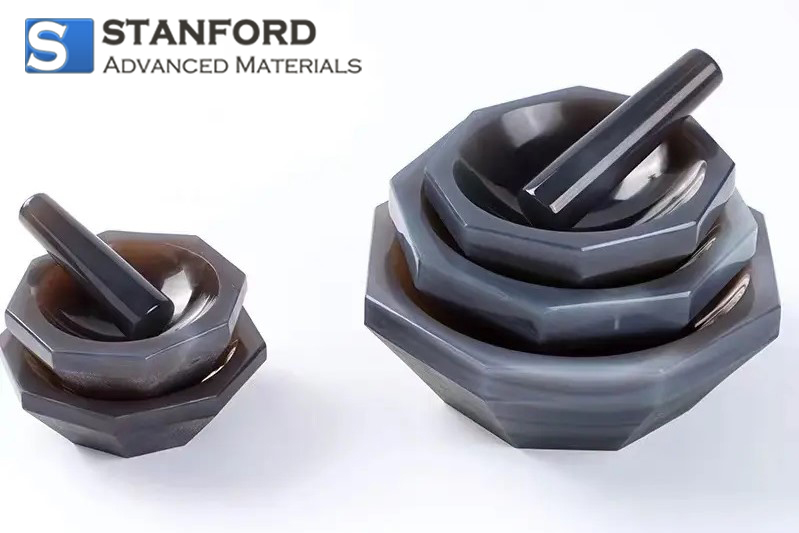
Agate mortars and pestles are prized for their beauty and strength. They have a natural weight and cool feel. They work well for both dry and moist ingredients. Their fine texture helps in achieving a smooth paste. The extra cost is a factor to consider since agate is a semi-precious stone. Experts note that these types are very durable but can be expensive. They are often seen in gourmet kitchens and small laboratories that process small amounts of spices or chemicals.
Stainless Steel Mortars and Pestles
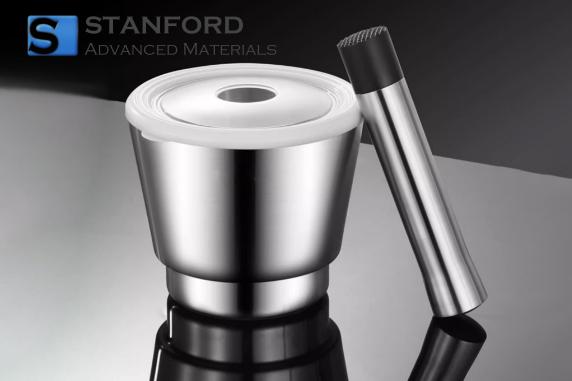
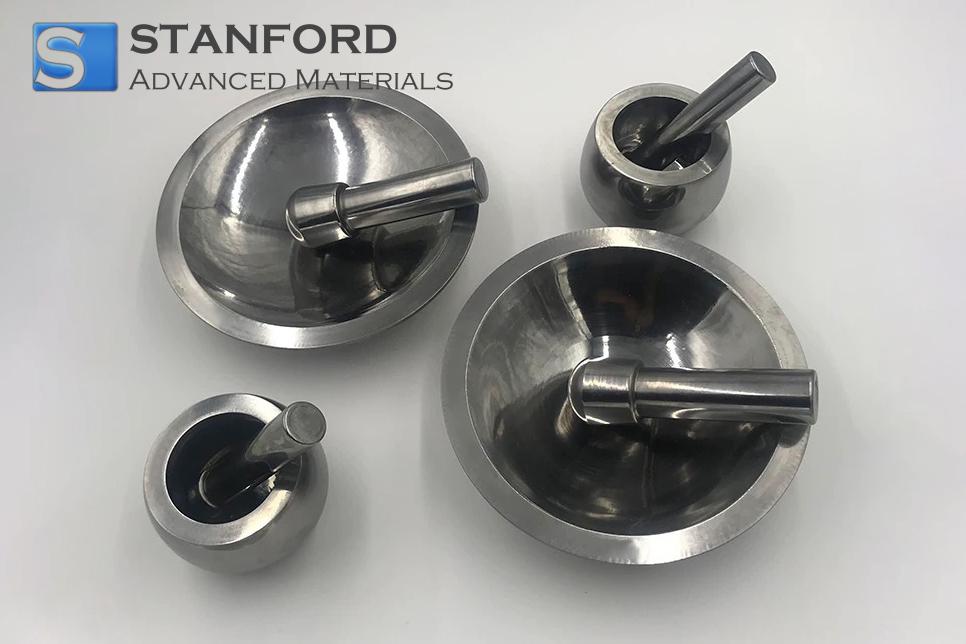
Stainless steel versions are robust and long lasting. Their modern look fits well in many kitchens. They are resistant to stains and do not require special care. They are ideal for continuous use in industrial settings or busy kitchens. The major benefit is their durability. A challenge is that stainless steel can be noisy during use. The metal finish may also conduct heat or cold. Overall, they provide a practical and hygienic option for many tasks.
Alumina Mortars and Pestles
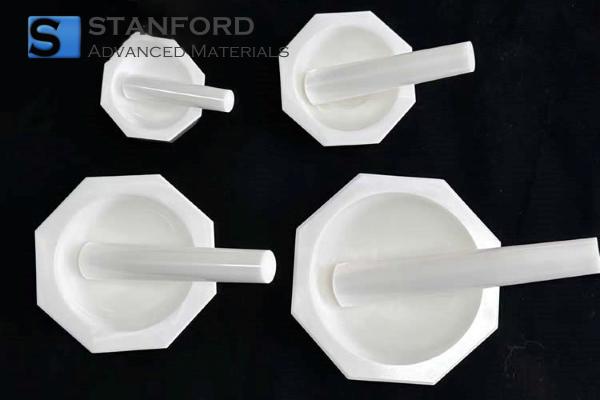
Alumina models are less common in kitchens. They are used mainly in laboratory settings. Alumina offers good resistance to chemicals and heat. Many professionals favor these for specific tasks that need a high level of inertness. A benefit is that alumina does not react with the ingredients. On the downside, they often require extra care to keep them scratch-free. Their properties make them useful in precise grinding and when pure mixing is needed.
Titanium Mortars and Pestles
Titanium options are known for their strength and light weight. They have a modern design and are resistant to corrosion. These tools work well for a variety of materials including herbs and chemicals. The benefit is that they combine durability with light handling. However, titanium versions come with a high price tag. Industries and research labs that need reliable equipment appreciate this quality. They offer a lasting investment for tough or frequent use.
Wood Mortars and Pestles
Wood types carry a rustic charm that many users like. They provide a softer grinding surface, which is good for delicate spices and for reducing wear on materials. Wooden mortars and pestles are naturally insulated. On the negative side, they are porous. This may lead to flavor transfer and can harbor bacteria if not cared for properly. They require regular seasoning and proper cleaning. They are best used for occasional tasks or as decorative kitchen items.
Plastic / Polytetrafluoroethylene Mortars and Pestles
Plastic or polytetrafluoroethylene (PTFE) types are affordable and practical for light tasks. They are resistant to chemical reactions and easy to clean. These tools are usually used in classrooms or home kitchens for less demanding processes. The major benefit is their suitability for budget-conscious users. A concern is that they can scratch easily and might not be suitable for heavy grinding. They are good for everyday use but may need replacement if worn frequently.
How to Choose
When selecting a mortar and pestle, consider your intended use. For heavy spices or industrial applications, metal or titanium is a strong choice. For flavor-sensitive ingredients, porcelain or glass may work best. Look at durability and care routines. Price is also an important factor. A careful examination of the pros and cons will help you match your tool to your task. Consider where you will use it. Think about the substances you will grind and the volume. Ask yourself if you need a tool for one-time use or regular grinding. This clear approach will lead you to the best choice.
Frequently Asked Questions
F: Which mortar and pestle type is best for herbs?
Q: Porcelain or ceramic types work well for herb grinding.
F: Can glass mortars handle heavy-duty tasks?
Q: Glass mortars are good for light tasks. They may break with heavy use.
F: What is the benefit of stainless steel mortars?
Q: They are strong, easy to clean, and ideal for busy kitchens.
 Chin Trento