{{flagHref}}
Products
  • Products
  • Categories
  • Blog
  • Podcast
  • Application
  • Document
|
|
/ {{languageFlag}}
Select Language
Stanford Advanced Materials {{item.label}}
Stanford Advanced Materials
Select Language
Stanford Advanced Materials {{item.label}}
Please start talking

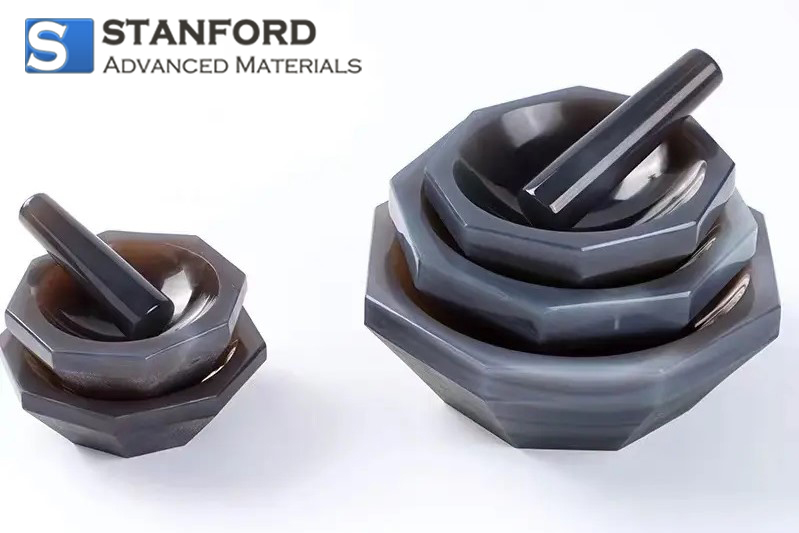
LE0114 Agate Mortars & Pestles

Catalog No. LE0114
Dimensions ID: 30-220mm
Material Natural agate (chalcedony)
Mohs Hardness 6.5–7

Our high-quality, customizable agate mortars and pestles are used for grinding solid powders in chemical, pharmaceutical, and industrial laboratories, as well as for food preparation in premium kitchens. Stanford Advanced Materials (SAM) supplies natural agate mortar and pestle sets with a wide size selection and consistent quality.

Related Products: Alumina Mortar and Pestle Set, Zirconia Mortar and Pestle, Stainless Steel Mortar and Pestle, Tungsten Carbide Mortar and Pestle

INQUIRY
Add to Compare
Agate Mortars & Pestles
LE0114 Agate Mortars & Pestles
Agate Mortars & Pestles
LE0114 Agate Mortars & Pestles
Description
Specification
Reviews

Compare Similar Items

Show Differences

This Item
Add to List
Dimensions
ID: 30-220mm
Material
Natural agate (chalcedony)
Mohs Hardness
6.5–7
 
Add to List
Add to Compare
Material
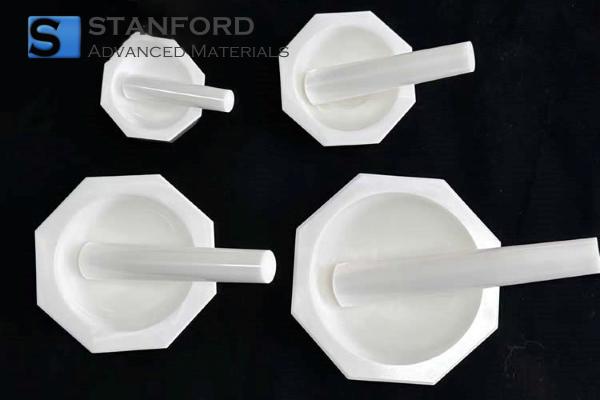
Zirconia
Color
White
Form
Mortars & Pestles
 
Add to List
Add to Compare
Dimensions
ID: 30-220mm
Material
Natural agate (chalcedony)
Mohs Hardness
6.5–7
 
Add to List
Add to Compare
Dimensions
5ml - 300ml or customized
Material
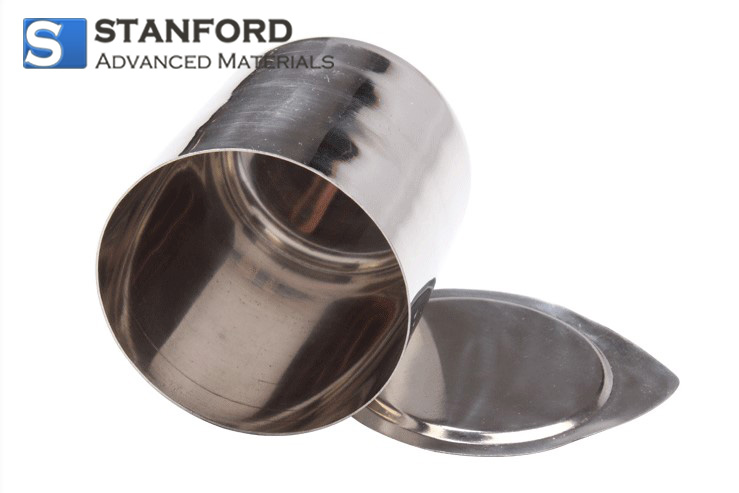
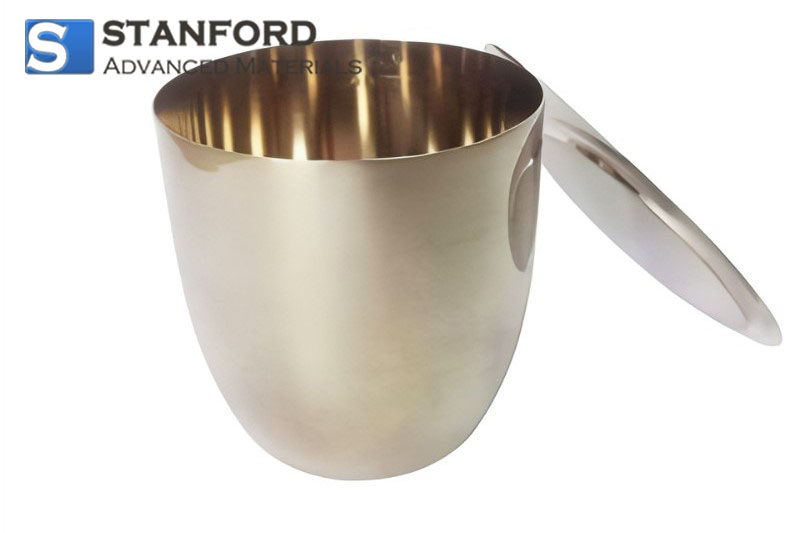
Platinum (Pt), PtAu5 (95% Pt and 5% Au), PtIr5 (95% Pt and 5% Ir)
Purity
Pt ≥ 99.95%, Ir ≥ 99.99%, Rh ≥ 99.99%, Au ≥ 99.99%
Form
Crucible

FAQ

What is the difference between agate, alumina, and zirconia mortars?

Agate offers the lowest contamination for trace element analysis but is more brittle. Alumina is harder (Mohs 9) and more affordable, suitable for general grinding. Zirconia has the highest toughness and wear resistance, ideal for wet milling and harder materials. Choose based on your sample hardness and contamination tolerance.

Can I use the same mortar for different materials without cross-contamination?

For trace analysis, we recommend dedicated mortars per material. Agate is non-porous and can be thoroughly cleaned with dilute HCl or by grinding pure quartz sand between uses. However, for high-purity requirements, separate sets are best.

How long will an agate mortar last under regular lab use?

With proper use (no pounding, no materials harder than agate, no thermal shock), an agate mortar can last 10–20 years in a typical analytical lab. The primary wear is gradual dulling of the grinding surface, which does not significantly affect performance for most applications.

GET A QUOTE

Send us an inquiry today to learn more and receive the latest pricing. Thank you!

* Your Name
* Your Email
* Product Name
* Your Phone
* Country

United States

    Comments
    I would like to join the mailing list to receive updates from Stanford Advanced Materials.
    Attach Drawing:

    Drop files here or

    * Check Code
    Accepted file types: PDF, png, jpg, jpeg. Upload multiple files at once; each file must be under 2MB.
    Leave A Message
    Leave A Message
    * Your Name:
    * Your Email:
    * Product Name:
    * Your Phone:
    * Comments: