Products
 Bars
Bars
 Beads & Spheres
 Bolts & Nuts
 Crucibles
 Discs
Discs
 Fibers & Fabrics
 Films
Films
 Flake
Flake
 Foams
Foams
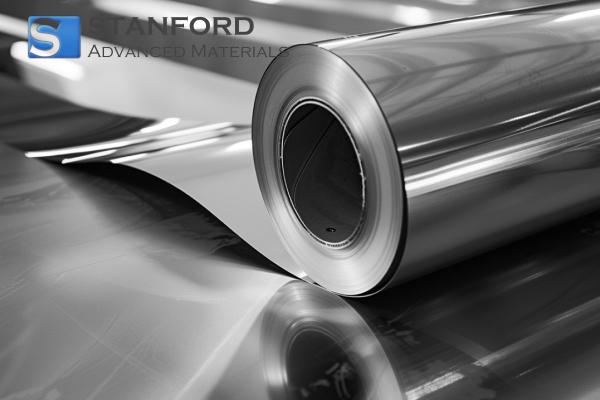
 Foil
Foil
 Granules
 Honeycombs
 Ink
Ink
 Laminate
 Lumps
Lumps
 Meshes
 Metallised Film
 Plate
Plate
 Powders
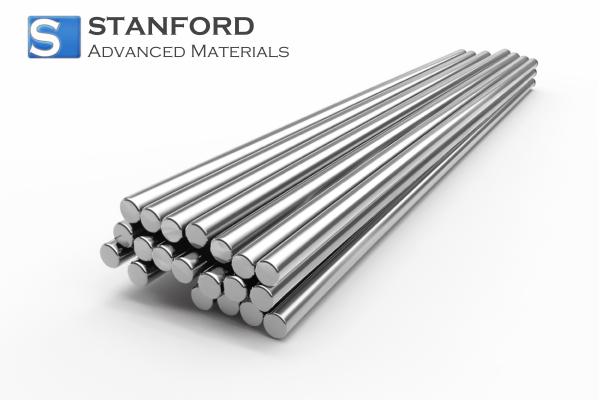
 Rod
Rod
 Single Crystals
 Sputtering Target
 Tubes
Tubes
 Washer
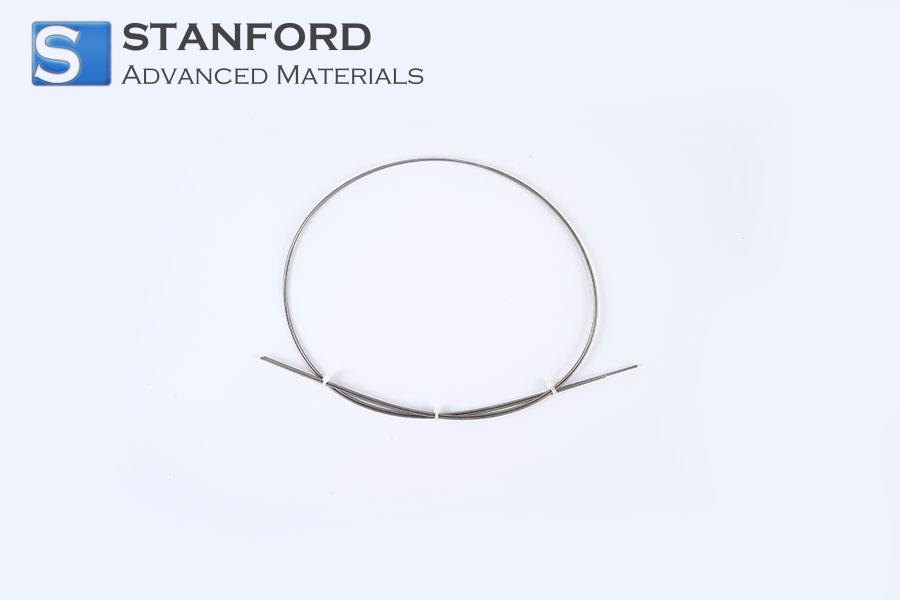
 Wires
Wires
 Converters & Calculators
 Write for Us



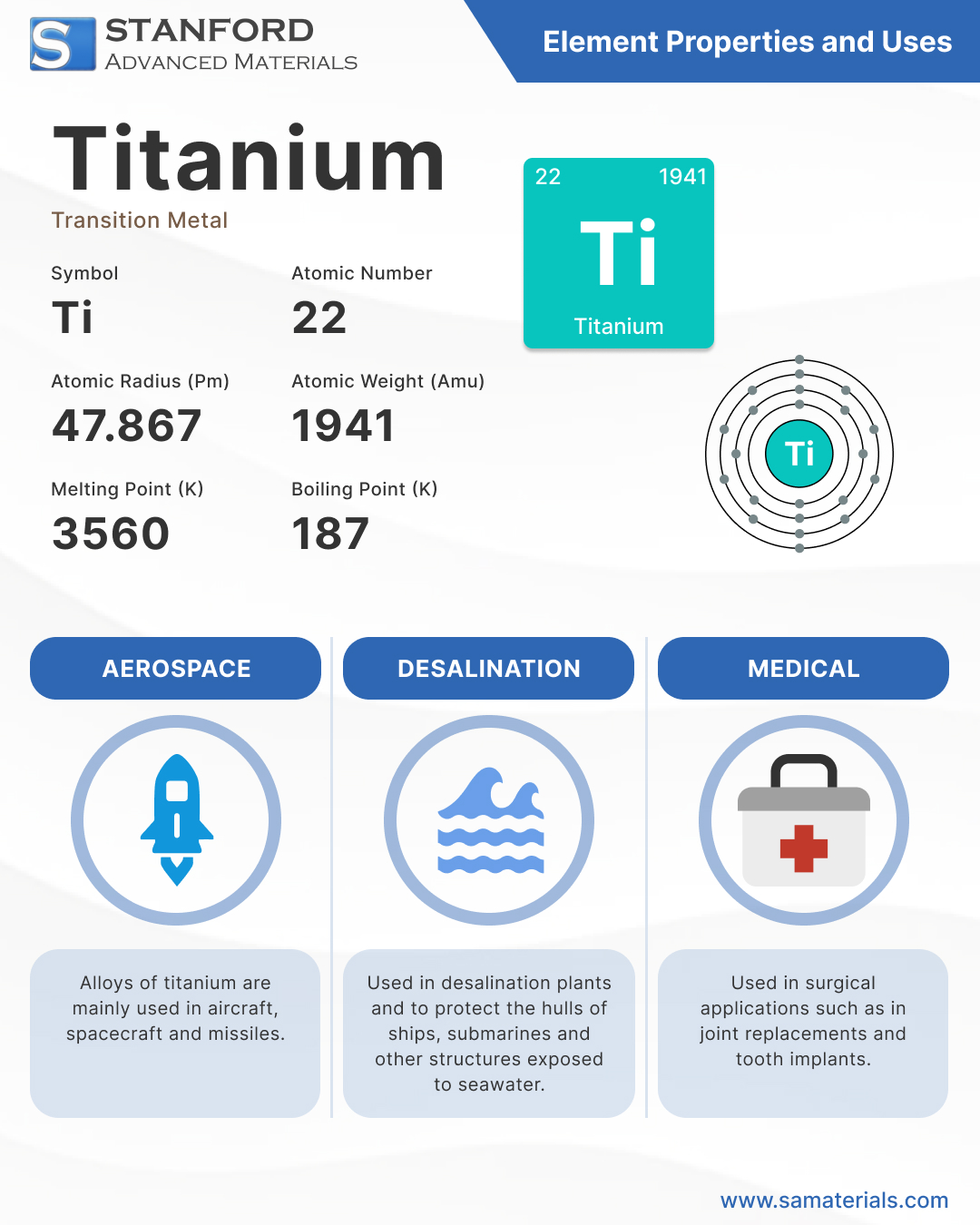
Titanium: Element Properties and Uses

Titanium is a hard, lightweight metal resistant to corrosion. It's found in the core of modern aerospace structures, medical equipment like hip replacements and dental appliances, even undersea technology. Its oxide is titanium dioxide-an excellent white pigment that goes into paints and plastics and sunscreens due to its great reflecting properties in ultraviolet light.
Introduction to the Element
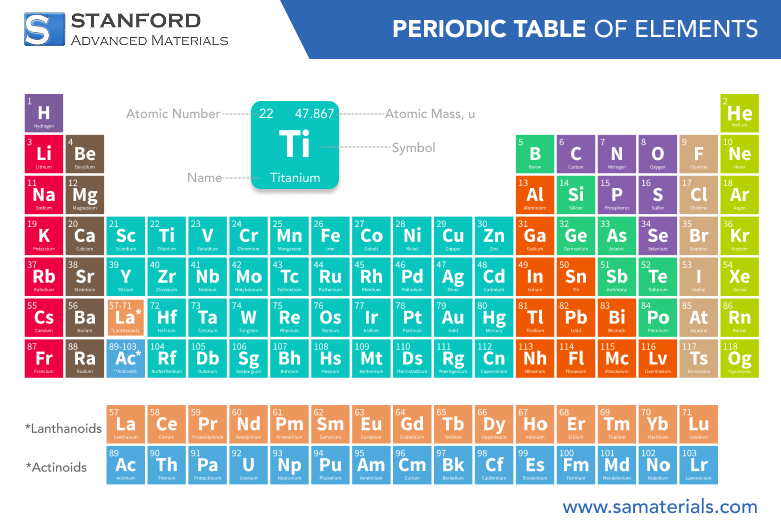
Titanium is a transition metal with the atomic number 22, which has a great strength-to-weight ratio, corrosion resistance, and a high melting point. It naturally occurs in the Earth's crust in the form of rutile and ilmenite. Its unique characteristics, such as high strength, low density, and durability, make it indispensable for use in aerospace, medical devices, and many military applications.
Chemical Properties Overview
At elevated temperatures, it is pretty reactive. A thin stable oxide layer forms on the surface, which protects it by acting as a shield against further oxidation and corrosion. This oxide film explains why titanium resists rust and withstands particularly aggressive media, such as seawater and acidic solutions. Although most acids do not attack it, titanium will react with chlorine, nitrogen, and oxygen when heated. At high temperature, it combines with halogens-hydrogen, fluorine, and chlorine-to produce titanium halides that are considered strong with carbon, nitrogen, and hydrogen. These characteristics do much to explain the versatility of titanium alloys in so many diverse applications related to high-performance engineering.
Physical Properties Data Table
|
Property |
Value |
|
Atomic Number |
22 |
|
Density |
4.54 g/cm³ |
|
Melting Point |
1,668°C (3,034°F) |
|
Boiling Point |
3,287°C (5,949°F) |
|
Tensile Strength |
434 MPa |
|
Young's Modulus |
116 GPa |
|
Thermal Conductivity |
21.9 W/m·K |
|
Electrical Resistivity |
4.2 × 10⁻⁷ Ω·m |
|
Color |
Metallic white |
For more information, please check Stanford Advanced Materials (SAM).
Common Uses
But what really sets titanium apart is that it's strong yet light, and extremely resistant to corrosion. It can be found in many industries, such as:
- Aerospace: It finds applications in aircraft frames, jet engines, and space crafts because of its high strength-to-weight ratio and resistance to heat.
- Medical: Due to its biocompatibility, it finds favor in implants, prosthetics, and surgical instruments.
- Marine - Its corrosion resistance is generally much better than others in boats, submarines, and other sea-going vessels.
- The automotive sector, especially in high-performance parts such as engines and exhausts, relies on it to decrease weight without sacrificing strength.
- Sports Equipment: Lightweight, durable titanium comes up in gear such as golf clubs, bikes, and tennis rackets.
Related Reading: Application of Titanium in the Automotive Industry
Preparation Methods
Most of the extracted titanium is from rutile and ilmenite, which is refined through the Kroll process. In this process, titanium tetrachloride is reduced by magnesium in an inert atmosphere to produce pure titanium. Although it is expensive to perform, the result is very high-purity titanium for industrial use.
There is also the Hunter process, in which the reducing agent used is sodium, although it is not as common as Kroll.
Relating Industrial Products
The following are other major alloys and speciality products that contain titanium as its backbone:
- The alloys are as follows: Titanium Alloys - For example, Ti-6Al-4V contains about 6% aluminum and 4% vanadium, and it is one of the most essential aerospace metals.
- Titanium Dioxide: White pigment used for brightening paints, coatings, and plastics.
- Titanium Coatings: This is applied to the surface of steel and other metals for increased corrosion resistance, especially in marine and chemical applications.
Frequently Asked Questions
What are the major advantages of titanium?
With its unique combination of superior strength-to-weight ratio, corrosion resistance, biocompatibility, and high-temperature stability, it finds applications in aerospace, medicine, and sea-going hardware.
What is the primary process by which titanium is produced?
The usual production method is the Kroll process; high purity titanium is produced by reducing TiCl₄ with magnesium.
Why do implants use titanium?
Because it is biocompatible and merges strength, durability, and corrosion resistance, it is ideal for implants such as hip joints and dental fixtures.
How does titanium resist corrosion?
It forms a protective oxide layer on the surface, preventing further oxidation and giving it strong resistance, even in aggressive environments, such as seawater and acid.
 Chin Trento