Products
 Bars
Bars
 Beads & Spheres
 Bolts & Nuts
 Crucibles
 Discs
Discs
 Fibers & Fabrics
 Films
Films
 Flake
Flake
 Foams
Foams
 Foil
Foil
 Granules
 Honeycombs
 Ink
Ink
 Laminate
 Lumps
Lumps
 Meshes
 Metallised Film
 Plate
Plate
 Powders
 Rod
Rod
 Single Crystals
 Sputtering Target
 Tubes
Tubes
 Washer
 Wires
Wires
 Converters & Calculators
 Write for Us



Iron: Element Properties and Uses

What Is Iron?
Iron the Element
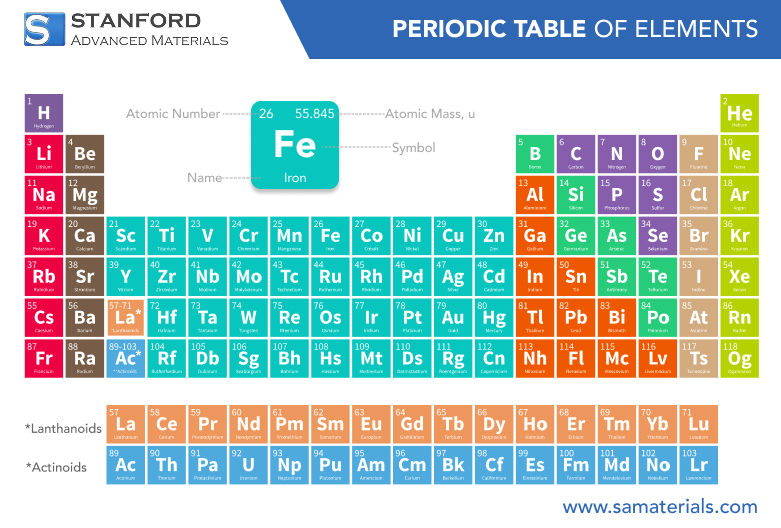
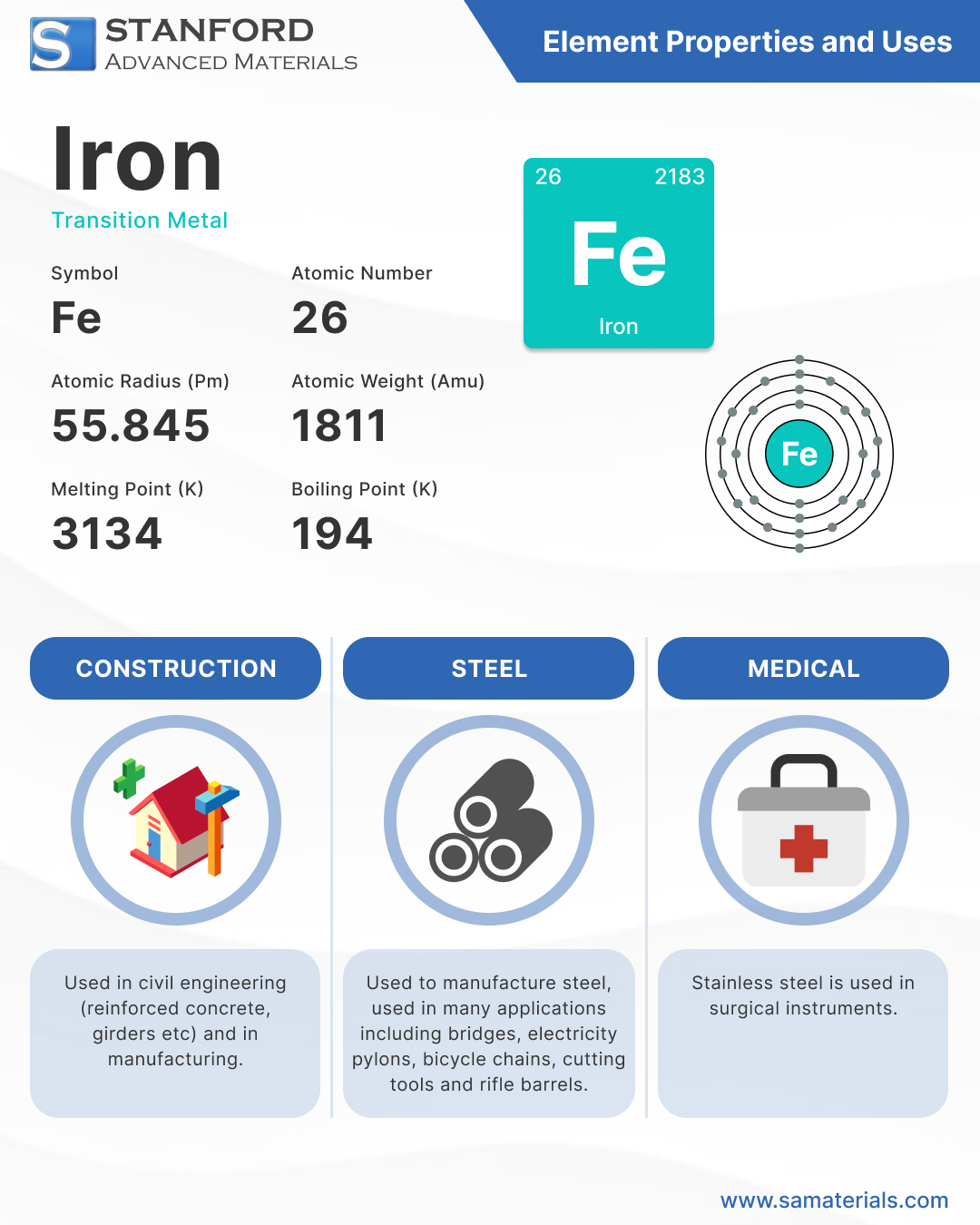
Iron (Fe) is one of the most abundant elements on Earth and forms the foundation of human technological progress. Iron is a transition element found predominantly in the form of minerals such as hematite (Fe2O3) and magnetite (Fe3O4) in the Earth's crust. Aside from industrial use, iron is essential to living organisms since it plays a basic role in biological processes. In human beings, for instance, it is a key component of hemoglobin, the red blood cell protein utilized in oxygen transport. Iron's double significance—biological and technical—is one reason that it is among the most precious elements with which human beings are familiar.
Iron Metals and Alloys
Pure iron is soft and ductile, but when alloyed with carbon and other elements, it transforms into materials with exceptional strength, durability, and corrosion resistance. The two main classes are steel (low carbon content, strong and versatile) and cast iron (higher carbon content, hard and wear-resistant).
History of Iron
Iron has been a vital element throughout the course of human life. The Iron Age, which began circa 1200 BCE, was a period of revolution when people moved from bronze to employing tools and weapons that were made of iron, changing agriculture, war, and construction. Over centuries, refining processes such as smelting and alloying allowed people to have greater control over iron, resulting in the extensive range of iron-based metals and alloys in use today.
Properties
Chemical Properties Description
Chemically, iron is highly reactive, particularly in the case of oxygen, causing the formation of iron oxides, commonly known as rust. Rusting is perhaps one of the largest problems when using and keeping iron-based products. Iron typically contains two stable oxidation numbers: +2 (ferrous) and +3 (ferric). These oxidation numbers are crucial for most chemical reactions, such as when it reacts with acids.
For instance, when iron reacts with hydrochloric acid, it forms ferrous chloride (FeCl2) and hydrogen gas. At elevated temperatures, iron reacts with carbon to produce steel, the foundation of modern construction and manufacturing. The reactivity of iron can vary significantly depending on the alloying elements and environmental conditions, but atmospheric conditions and the introduction of impurity elements may significantly influence its chemical behavior.
Physical Properties Data Table
|
Property |
Value |
|
Atomic Number |
26 |
|
Atomic Mass |
55.845 u |
|
Density |
7.87 g/cm^3 |
|
1,538 °C |
|
|
Boiling Point |
2,862 °C |
|
Appearance |
Metallic gray or silvery |
|
Electrical Conductivity |
Moderate |
|
Magnetic Properties |
Magnetic |
Steelmaking and Other Common Uses of Iron
Iron's significant industrial application is in the production of steel, the most ubiquitous metal employed in construction, transport, and machinery. Steel combines iron's hardness and strength with ductility and can be utilized for structural pieces such as beams, rods, and plates. Cast iron is also a major product, valued for thermal conductivity and compressive strength. Cast iron finds applications in engine blocks, pipes, cookware, and heavy machinery.
Iron is also critically important biologically. It is an essential part of hemoglobin and myoglobin, blood and muscle proteins responsible for delivering oxygen. Without iron, humans and other organisms are susceptible to maladies such as anemia, which impairs oxygen delivery and energy production.
Many of these industrial applications require high-purity iron, ferroalloys, or iron oxides as raw materials. For research and production needs, specialized suppliers like Stanford Advanced Materials (SAM) offer a range of iron-based products.
Preparation Methods
Industrial production of iron typically begins with iron ore, which is extracted and purified by smelting. It is smelted with coke (carbon) and limestone in a blast furnace. High heat separates iron ore from impurities, resulting in molten iron. It can be purified or combined to form steel or other iron compounds.
Direct reduction methods have become increasingly popular in recent years as more environmentally friendly alternatives. Direct reduction methods use hydrogen or other reducing agents to reduce the ore in order to extract the iron, with lower carbon emissions than smelting.
Frequently Asked Questions
What is the primary industrial usage of iron?
Steel production is the destination of most of the iron, valued for its strength, flexibility, and reliability in construction, transportation, and manufacturing applications.
How does cast iron differ from steel?
Cast iron contains more carbon, making it brittle but ideal for compression-oriented use and retention of heat. Steel is stronger and more durable, and it can be utilized for more uses for both structural and mechanical applications.
What are the environmental issues related to producing iron?
Traditional smelting produces CO2 emissions and generates waste materials. Newer methods, such as direct reduction with hydrogen, aim to minimize these environmental impacts.
How does iron function in the human body?
Iron is necessary in order to produce hemoglobin, which carries oxygen within red blood cells. Iron intake in healthy levels is necessary to maintain healthy blood and prevent anemia.
Looking for high-purity iron and iron-based materials?
Stanford Advanced Materials (SAM) offers a wide range of iron products for industrial and research applications:
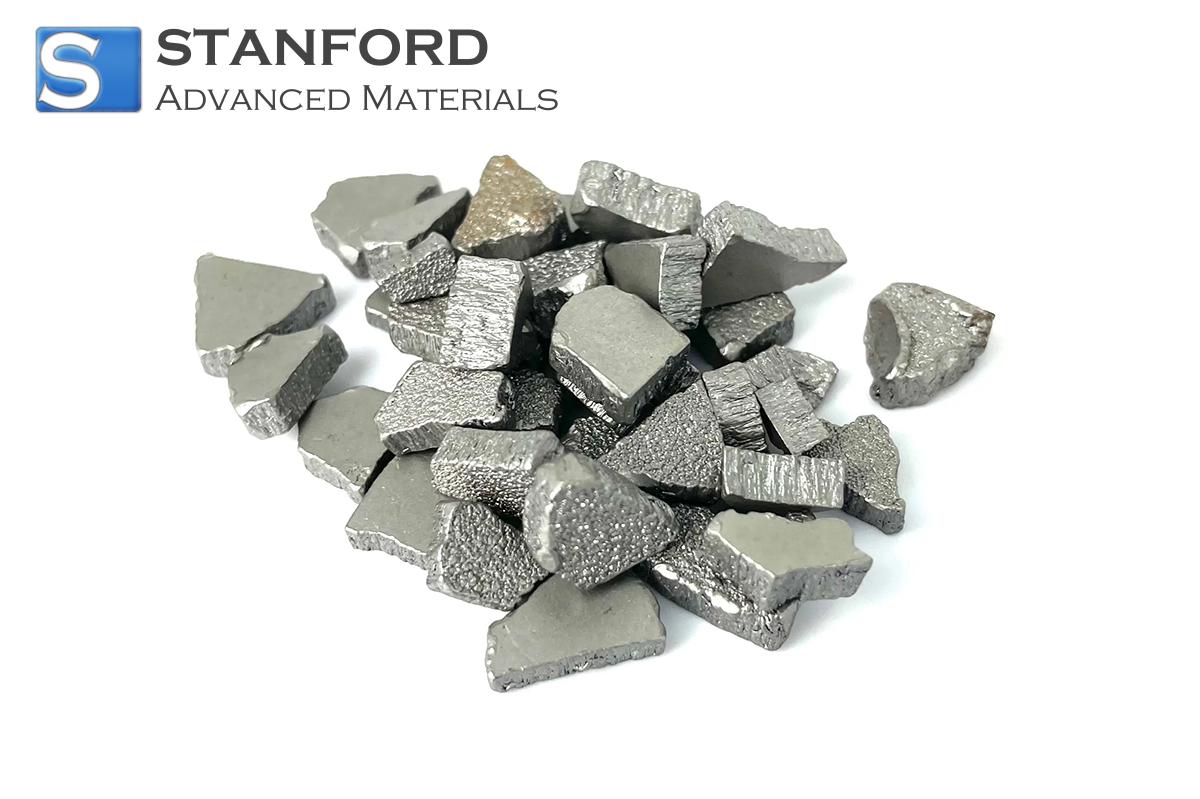
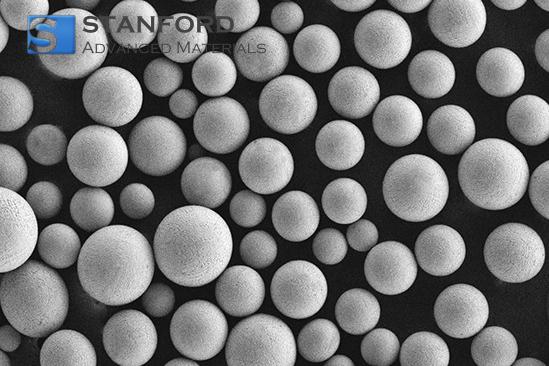
- Pure Iron (Fe) — available in various forms: rods, sheets, wires, and powders
- Iron Alloys — including steel, cast iron, and custom compositions
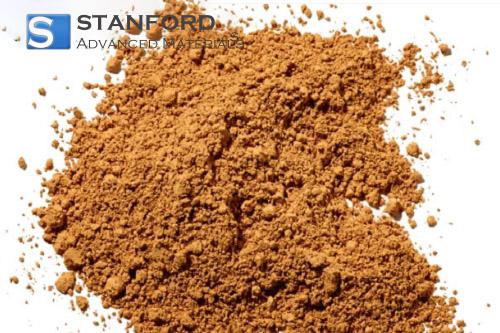
- Iron Oxides (Fe₂O₃, Fe₃O₄) — for pigments, magnetic materials, and catalysis
Browse our iron product catalog or contact us for custom material solutions.
 Chin Trento