
 Products
 Bars
Bars
 Beads & Spheres
 Bolts & Nuts
 Crucibles
 Discs
Discs
 Fibers & Fabrics
 Films
Films
 Flake
Flake
 Foams
Foams
 Foil
Foil
 Granules
 Honeycombs
 Ink
Ink
 Laminate
 Lumps
Lumps
 Meshes
 Metallised Film
 Plate
Plate
 Powders
 Rod
Rod
 Single Crystals
 Sputtering Target
 Tubes
Tubes
 Washer
 Wires
Wires
 Converters & Calculators
 Write for Us



The Most Used Metals in University Chemistry Labs: A Selection Guide

The Short Answer
Over the past 20 years, I have visited dozens of university labs. The same six metals show up on every bench: aluminum, copper, iron, zinc, magnesium, and titanium.
Aluminum is the most common. Magnesium is the most dangerous. Titanium is the most expensive.
I have seen three common mistakes — buying the wrong purity for the experiment, ignoring safety risks, and choosing the wrong form for the application. Here is how to avoid them.
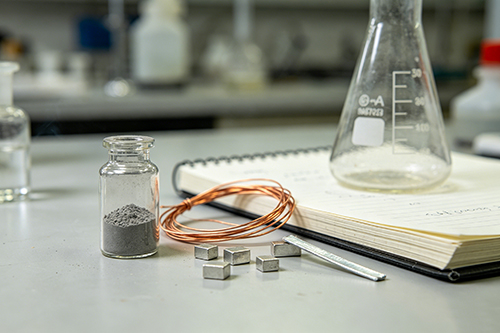
Purity: Match It to Your Experiment
Lower purity works for some experiments. Higher purity gives you reproducibility — and reproducibility is what gets published.
| Purity | Best For | Why |
|---|---|---|
| 2N (99%) | Teaching labs, routine chemistry, bulk reactions | Cost-effective for high-volume use |
| 3N (99.9%) | Most graduate research, catalysis screening | Balance of cost and performance |
| 4N (99.99%) | Surface science, trace metal analysis, publication-grade work | Minimizes variables in sensitive experiments |
| 5N (99.999%) | Semiconductor research, ultra-high vacuum work | Maximum reproducibility, lowest contamination |
I have reviewed lab budgets where switching from 5N to 3N made sense for preliminary work. I have also seen publication delays caused by using 2N when 4N was required for reproducibility. Match the grade to the experiment.
Six Metals at a Glance
| Metal | Common Lab Use | Typical Form | Recommended Purity | Relative Cost | Key Caution |
|---|---|---|---|---|---|
| Aluminum | Reduction reactions, alloy making | Powder, foil, wire | 2N - 4N | $ | Fine powder is flammable |
| Copper | Electrochemistry, catalysis | Powder, wire, sheet | 2N - 4N | $$ | Surface oxidizes — store properly |
| Iron | Magnetic materials, nanoparticles | Powder, chunks | 2N - 3N | $ | Rusts easily |
| Zinc | Electrochemistry, reduction | Powder, granules, sheet | 2N - 3N | $ | Reacts with acids |
| Magnesium | Alloys, hydrogen storage | Powder, chunks, wire | 2N - 3N | $$ | Powder requires strict storage |
| Titanium | High-purity research, surface modification | Powder, chunks, wire | 3N - 5N | $$$ | High value, excellent corrosion resistance |
$ = under 100/kg, $$ = 100-500/kg, $$$ = over 500/kg (estimates as of early 2026). Prices are indicative and subject to market changes. Contact us for current pricing.
What Form Should You Buy?
The right form depends on your experiment — not on what is easiest to store.
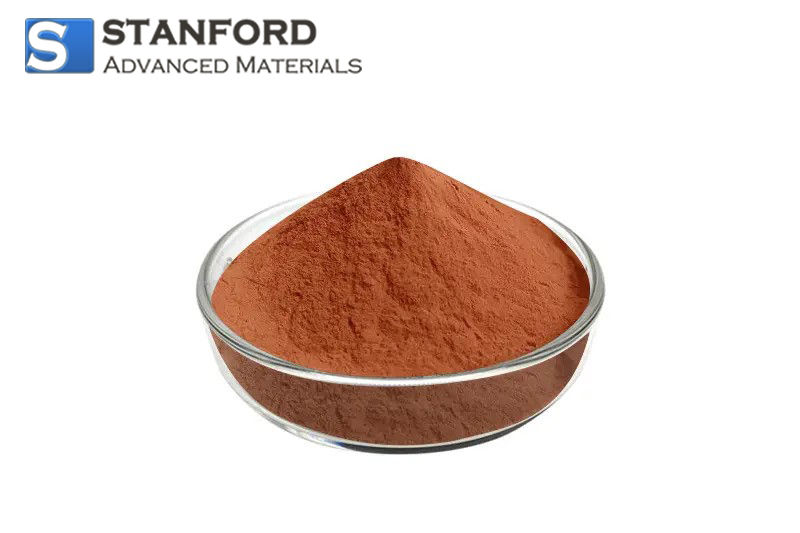
Powder offers the highest surface area. It is ideal for reduction reactions, catalysis, and nanoparticle synthesis. Powder requires safety precautions — use a fume hood and grounded equipment — but for reactions that need high surface area, there is no substitute.
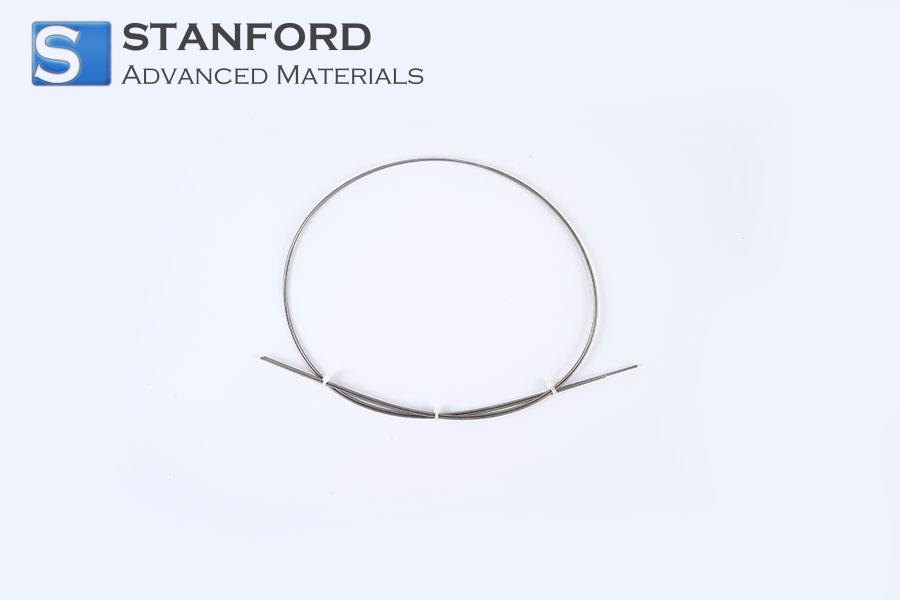
Wire or sheet is better for electrochemistry, electrodes, and physical property tests. It is easier to handle and store. If you are unsure which form to buy, start with wire — it works for most experiments.
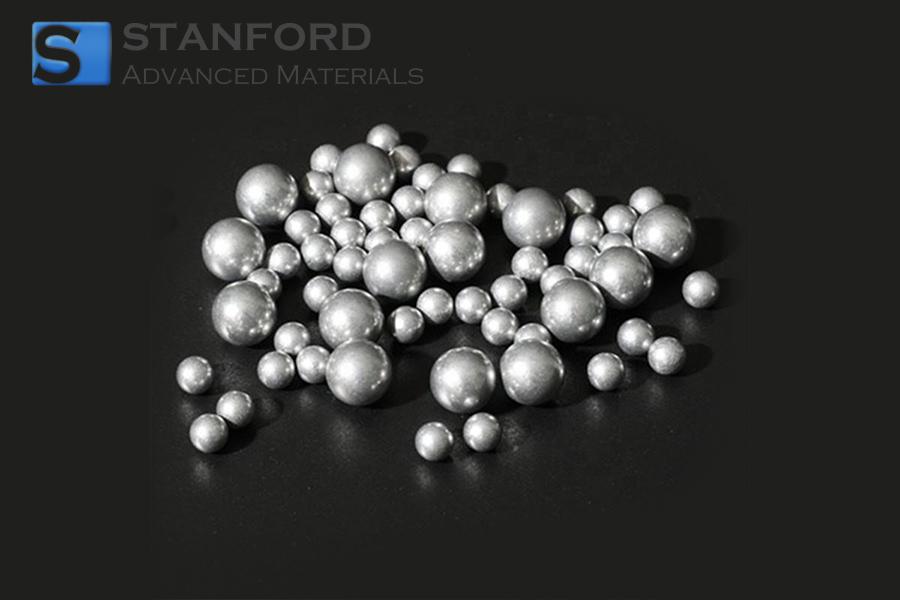
Chunks or granules are for alloy making and bulk melting. Choose these when you need bulk material and do not need high surface area.
For other forms not listed here, check our product catalog.
Safety: What I Have Learned
I have seen lab fires from metal powders. All were preventable.
Magnesium powder is the most dangerous. It ignites easily and reacts with water. Store it in a sealed container under argon or in a dry glove box.
Aluminum powder — fine mesh sizes (-325 mesh) can be explosive in air. Use a fume hood. Ground your equipment. Do not let dust accumulate.
Iron powder is relatively safe but rusts. Store it in a sealed container with a desiccant.
Titanium powder in fine sizes has an ignition risk similar to that of aluminum. Handle with care.
One rule I give every lab manager: if you would not put it near a flame, do not put it in a drawer.
Quick Selection Guide
| If you are doing... | Recommended metal | Recommended form | Recommended purity |
|---|---|---|---|
| Reduction reaction | Aluminum or zinc | Powder | 2N-3N |
| Electrochemistry | Copper or zinc | Wire or sheet | 2N-3N |
| Catalysis screening | Copper or aluminum | Powder | 3N-4N |
| Alloy making | Magnesium or titanium | Chunks | 2N-3N |
| Magnetic research | Iron | Powder or chunks | 2N-3N |
| Surface science | Titanium | Powder or wire | 4N-5N |
| Teaching lab | Aluminum or copper | Wire or sheet | 2N |
How to Order (And Get a Quote Faster)
Include these five things in your request:
- Metal — Aluminum, copper, iron, zinc, magnesium, or titanium
- Form — Powder, wire, sheet, chunks
- Purity — 2N, 3N, 4N, or 5N
- Quantity — Grams or kilograms
- Applications — What experiment or reaction are you using this for?
Good request:
*"Aluminum powder, 3N, -200 mesh, 500g, for a reduction reaction in an organic chemistry lab."*
Bad request:
"Please quote aluminum powder."
The first one gets a quote in hours. The second one gets ignored — our sales team receives too many incomplete requests to chase down missing details.
To Sum Up
Match purity to your experiment, not your budget. Lower purity saves money upfront. Higher purity gives you reproducibility — and that is what gets published.
If you are not sure what fits your experiment, send me your conditions. I will recommend a metal, form, and purity based on your application.
*Stanford Advanced Materials (SAM) has been supplying metals to university labs since 1994. With warehouses in the US, Canada, Europe, and Asia-Pacific, we ship worldwide. Contact our team — tell us what you are trying to do, and we will send you the right material.*
 Dr. Samuel R. Matthews