
 Products
 Bars
Bars
 Beads & Spheres
 Bolts & Nuts
 Crucibles
 Discs
Discs
 Fibers & Fabrics
 Films
Films
 Flake
Flake
 Foams
Foams
 Foil
Foil
 Granules
 Honeycombs
 Ink
Ink
 Laminate
 Lumps
Lumps
 Meshes
 Metallised Film
 Plate
Plate
 Powders
 Rod
Rod
 Single Crystals
 Sputtering Target
 Tubes
Tubes
 Washer
 Wires
Wires
 Converters & Calculators
 Write for Us



SLES vs Sodium Lauroyl Glutamate: Strong Degreasing vs Gentle Skin Care

1 Introduction
Cleansing products like face washes, shampoos, and body washes owe their ability to remove oil, sweat, dirt, and residue to surfactants. Surfactant molecules have a unique dual nature: one end loves water (hydrophilic) and the other loves oil (lipophilic). When mixed with water, they surround and emulsify dirt, allowing it to be rinsed away. Surfactants also create foam and help other ingredients disperse and penetrate more effectively.
Among the many surfactants used in personal care, two frequently appear on ingredient lists with very different profiles:
- Sodium Laureth Sulfate (SLES)
- Sodium Lauroyl Glutamate
Though their names sound similar, their cleansing properties and skin feel are worlds apart. SLES is a strong, high-foaming surfactant that aggressively removes oil and is inexpensive, making it common in cleansers for oily skin and in strong shampoos. Sodium Lauroyl Glutamate, on the other hand, is a much gentler amino-acid-based surfactant. Its pH is close to that of healthy skin, and it leaves skin feeling soft rather than tight, which is why it's often used in products for sensitive or dry skin, as well as baby care.
The core difference between them can be summed up as strong degreasing vs. gentle amino acid cleansing. At Stanford Advanced Materials (SAM), we supply high-purity surfactants for personal care formulation. Below, we compare two of the most requested ingredients.
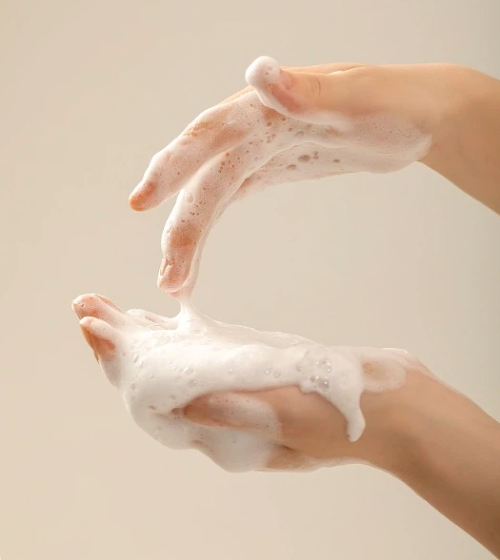
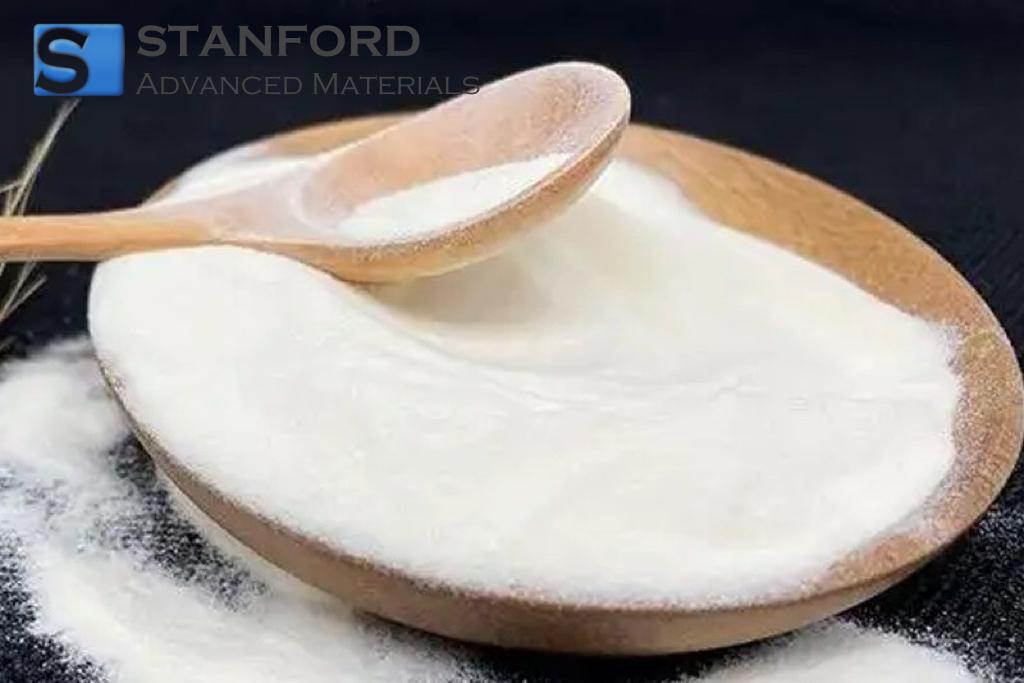
Fig. 1 Sodium Lauryl Ether Sulfate and Sodium Lauroyl Glutamate Are Both Commonly Used in Facial Cleansers
2 Individual Ingredient Profiles
2.1 Sodium Laureth Sulfate (SLES)
Sodium Laureth Sulfate (SLES) is a common anionic surfactant widely used in face washes, shampoos, body washes, and other cleansers. It typically appears as a colorless to pale yellow, transparent, viscous liquid or paste. Its main raw material, lauryl alcohol, comes from coconut or palm kernel oil and is then ethoxylated (with ethylene oxide) and sulfated. Compared to traditional Sodium Lauryl Sulfate (SLS), SLES is significantly less irritating due to the ethoxylation step, but it still retains strong oil-removing and foaming abilities.
When it comes to cleaning, SLES is highly effective. It vigorously emulsifies and removes excess oil, grime, and residue from skin and hair, making it especially suitable for oily skin or oily scalps. It produces rich, stable, fine foam in both soft and hard water – one reason many people prefer sulfate-based cleansers. Unlike soap, SLES does not form soap scum in hard water, rinsing away cleanly.
However, SLES's strong cleansing action is a double-edged sword. For dry, sensitive, or compromised skin, it can strip too much oil, leading to tightness, dryness, and even stinging. In lab irritation tests, SLES is less irritating than SLS but still significantly more irritating than amino-acid surfactants. To reduce irritation, well-formulated products often blend SLES with amphoteric surfactants (like cocamidopropyl betaine) or nonionic surfactants, along with moisturizers and oils to improve after-feel.
On safety, consumers are most concerned about trace amounts of 1,4-dioxane, a potential byproduct of the ethoxylation process. 1,4-dioxane is classified as a possible carcinogen, but reputable brands use stripping or vacuum removal methods to keep residual levels very low (typically below 10 ppm), meeting safety standards in China, the EU, and the US. When buying from legitimate manufacturers, there's no need for undue worry. SLES is moderately biodegradable – not as eco-friendly as some gentler surfactants, but still within the biodegradable range.
Overall, SLES works well in situations that require strong cleansing, such as summer face washes for oily skin, oil-control or anti-dandruff shampoos, and post-workout body washes. If you have dry or sensitive skin, it's better to choose a product based on amino-acid surfactants, or at least one with a lower concentration of SLES blended with milder ingredients. SLES is not a "harmful" ingredient – it's a classic, safe cleanser when used appropriately for your skin type and needs.
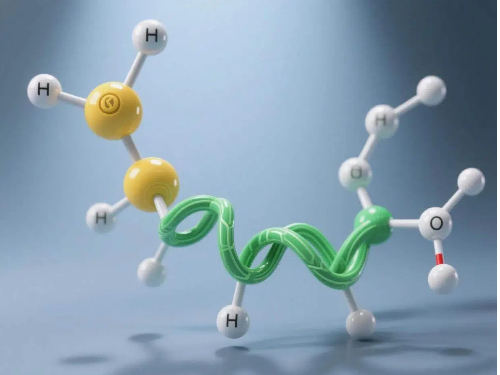
Fig. 2 The Molecular Structure of Sodium Laureth Sulfate
2.2 Sodium Lauroyl Glutamate
Sodium Lauroyl Glutamate is an amino-acid-based surfactant derived mainly from natural sources, and it has gained popularity in mid-to-high-end face washes, body washes, and shampoos in recent years. It is made by condensing lauric acid (typically from coconut or palm kernel oil) with glutamic acid (a natural amino acid), resulting in an anionic surfactant. Unlike sulfates like SLES, Sodium Lauroyl Glutamate has a structure closer to that of the skin itself, earning it the label "skin-like" surfactant, with natural advantages in gentleness and skin compatibility.
In terms of cleansing power and foam, Sodium Lauroyl Glutamate is more understated. It provides moderate oil removal, gently taking away excess oil and dirt without over-stripping the skin's protective barrier, so skin does not feel tight or dry after washing. It does not lather as quickly or abundantly as SLES; instead, it produces fine, creamy, but relatively low foam. That foam feels soft and hydrating, rinses off without leaving a slippery residue, and leaves skin comfortable. For consumers seeking "gentle" rather than "strong" cleansing, this is a friendlier option.
When it comes to irritation, Sodium Lauroyl Glutamate excels. Its pH is close to that of human skin (about 4.5–6.5), so it doesn't disrupt the skin's acid mantle during washing. In multiple lab irritation tests (e.g., corn zein test, eye irritation tests), it scores extremely low – almost negligible. Even for sensitive skin, dry skin, compromised barriers (such as during stable periods of eczema or rosacea), and delicate infant skin, it rarely causes stinging, redness, or over-drying. That's why many "sulfate-free", "sensitive skin", or "baby care" products use it as their primary cleansing ingredient.
On safety and environmental impact, Sodium Lauroyl Glutamate is equally trustworthy. Its production does not involve ethylene oxide, so there is no risk of 1,4-dioxane contamination. Its raw materials come from renewable plant sources, and it is readily biodegradable – it breaks down quickly in nature and is much more environmentally friendly. Many amino-acid surfactants also have some antibacterial and hard-water resistance properties, and their wastewater impact is far lower than that of traditional sulfates. As a result, they are often featured in "green" or "natural" cleansing products.
So, where is Sodium Lauroyl Glutamate best used? It suits nearly all skin types, especially dry, sensitive, combination-dry, and normal skin. Specific product types include gentle face cleansers (e.g., morning cleansers, second cleansers after oil cleansing), sulfate-free shampoos (especially for color-treated hair or dry scalps), baby body washes, and premium amino-acid body washes. If you have very oily skin or need to remove waterproof makeup, Sodium Lauroyl Glutamate alone may feel a bit too mild, but it can be paired with a small amount of SLES or soap-based cleansers to balance gentleness and power.
In short, Sodium Lauroyl Glutamate is a mild, safe, skin-friendly amino-acid surfactant. Its core value is "moderate cleansing in exchange for maximum gentleness." It doesn't produce big bubbles or aim for a tight, squeaky-clean after-feel; instead, it leaves skin soft, hydrated, and comfortable. For those who prioritize gentle care and barrier health, it is an excellent choice over sulfate-based surfactants.
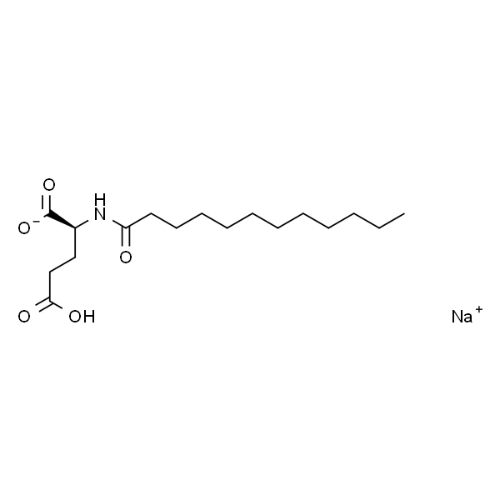
Fig. 3 The Molecular Formula of Sodium Lauroyl Glutamate
3 Comparison Summary Table
|
Aspect |
Sodium Laureth Sulfate (SLES) |
Sodium Lauroyl Glutamate |
|
Origin & Chemistry |
Petrochemical-derived anionic surfactant (ethoxylated SLS) |
Amino-acid surfactant (condensation of natural fatty acid with glutamic acid) |
|
Cleansing & Foam |
Strong oil removal, rich foam, hard-water tolerant |
Moderate cleansing, fine but relatively low foam |
|
Irritation |
Moderate irritation to skin and eyes (less than SLS); needs co-surfactants to reduce |
Extremely low irritation; pH close to skin; no tightness |
|
Skin Feel |
Can leave skin dry or rough |
Leaves skin soft and moisturized |
|
Suitable for |
Oily skin, oily scalp, heavy makeup removal |
Dry, sensitive, damaged skin/hair; baby products |
|
Safety & Eco |
Moderate biodegradability; trace 1,4-dioxane possible (controlled by manufacturing) |
High biodegradability; excellent safety profile |
4 Practical Guidance: When to Choose Which
4.1 When to Choose Sodium Laureth Sulfate (SLES)
Thanks to its strong degreasing and rich foam, SLES is best for situations that demand deep cleaning and quick oil removal. If you have oily skin, especially during summer when sebum production is high, an SLES-based face wash can leave skin feeling fresh and non-greasy. For those with an oily scalp, dandruff, or hair that gets limp from oil, an SLES-containing shampoo can deeply cleanse excess sebum around hair follicles, working especially well with oil-control or anti-dandruff actives. SLES is also common in bathroom cleaners (for non-sensitive surfaces like tiles or bathtubs), where it effectively breaks down soap scum and oily body residues at low cost and rinses easily. A note for face and scalp use: prefer products that blend SLES with moisturizing ingredients, and avoid leaving them on skin for too long. For non-sensitive body areas (like the back, hands, or feet), SLES's strong oil-stripping effect is more of a benefit than a drawback.
4.2 When to Choose Sodium Lauroyl Glutamate
With its extremely low irritation and skin-friendly nature, Sodium Lauroyl Glutamate is ideal for gentle care, sensitive conditions, and special populations. For morning cleansing – when skin has produced only a little oil overnight, and many people want to preserve their natural moisture barrier – a Sodium Lauroyl Glutamate-based face wash removes dust and metabolic waste without causing tightness or dryness. For people with sensitive skin or a compromised barrier (e.g., post-procedure, stable rosacea, non-acute eczema), conventional sulfates can cause stinging and redness, while Sodium Lauroyl Glutamate barely irritates and supports barrier repair. Infants have thin, underdeveloped skin and sebaceous glands, so they need extremely mild cleansers – Sodium Lauroyl Glutamate is a common choice for baby washes and shampoos. It also appears as a primary surfactant in premium gentle face cleansers (like amino-acid cleansing balms or foams), highlighting a product's mildness and good after-feel. If your skin is dry, thin, or prone to seasonal sensitivity, making Sodium Lauroyl Glutamate your go-to cleansing ingredient will give you peace of mind.
4.3 Using Them Together
These two surfactants don't have to be an either/or choice – they can be combined in formulas to achieve a "strong yet gentle" balance. A common strategy is to use SLES as the main surfactant (60–80% of the total surfactant blend) to ensure sufficient oil removal and rich foam, then add Sodium Lauroyl Glutamate (around 20–40%). The amino-acid surfactant reduces SLES's stripping effect and potential irritation, while also improving the after-feel, leaving skin softer and less dry. In addition, Sodium Lauroyl Glutamate's good hard-water tolerance and skin-like structure further boost the formula's mildness and rinseability. This blending approach appears in many mid-range shampoos, body washes, and face cleansers. For example, a "degreasing but non-drying" shampoo might rely on SLES for cleaning power, while Sodium Lauroyl Glutamate softens the irritation and improves foam quality. If you like SLES's cleansing strength but have somewhat dry or sensitive skin, look for products that list both surfactants (with the amino-acid one not too far down the ingredient list) – these often feel more comfortable than pure SLES formulas, yet clean better than pure amino-acid ones.
SAM offers both Sodium Laureth Sulfate (SLES) and Sodium Lauroyl Glutamate in various grades, including customized solutions for your specific formulation needs.
5 Conclusion
There is no absolute "good" or "bad" between Sodium Laureth Sulfate (SLES) and Sodium Lauroyl Glutamate – the right choice depends on your skin type and use case. If you have oily skin or need strong oil control and dandruff removal in summer, SLES is an effective and affordable option. For dry, sensitive skin, infants, or those with a compromised barrier, the gentler Sodium Lauroyl Glutamate is the better pick. And the two can work together: SLES provides the cleaning power and foam, while the amino-acid surfactant lowers irritation and improves after-feel, achieving a balance of efficacy and mildness. In the end, learning to read ingredient lists and paying attention to how a product actually feels on your skin is far more reliable than blindly following "all-good" or "all-bad" claims about any single ingredient.
Looking for reliable surfactant sourcing? Contact SAM today for technical datasheets and sample requests.
References:
[1]Walters, R. M., Mao, G., Gunn, E. T., & Hornby, S. (2012). Cleansing formulations that respect skin barrier integrity. Journal of Cosmetic Dermatology, 11(3), 205–213.
[2]Lémery, E., Briançon, S., Chevalier, Y., Bordes, C., Oddos, T., Gohier, A., & Bolzinger, M. A. (2015). Skin toxicity of surfactants: Structure/toxicity relationships. Colloids and Surfaces A: Physicochemical and Engineering Aspects, 469, 166–174.
[3]International Agency for Research on Cancer (IARC). (1999). *1,4-Dioxane. IARC Monographs on the Evaluation of Carcinogenic Risks to Humans, Volume 71*. Lyon, France: IARC.
[4]Ananthapadmanabhan, K. P., Moore, D. J., Subramanyan, K., Misra, M., & Meyer, F. (2004). Cleansing without compromise: The impact of cleansers on the skin barrier and the technology of mild cleansing. Dermatologic Therapy, 17(Suppl 1), 16–25.
[5]Mota, J. P., & Rodrigues, A. E. (2018). Surfactants in personal care products: A critical review of properties, performance, and safety. In M. M. M. Pinto & D. G. B. B. (Eds.), Advances in surfactant science (pp. 123–156). London, UK: Royal Society of Chemistry.
[6]Seweryn, A. (2018). Interactions between surfactants and the skin – Theory and practice. Advances in Colloid and Interface Science, 256, 242–255.
 Dr. Samuel R. Matthews