
 Products
 Bars
Bars
 Beads & Spheres
 Bolts & Nuts
 Crucibles
 Discs
Discs
 Fibers & Fabrics
 Films
Films
 Flake
Flake
 Foams
Foams
 Foil
Foil
 Granules
 Honeycombs
 Ink
Ink
 Laminate
 Lumps
Lumps
 Meshes
 Metallised Film
 Plate
Plate
 Powders
 Rod
Rod
 Single Crystals
 Sputtering Target
 Tubes
Tubes
 Washer
 Wires
Wires
 Converters & Calculators
 Write for Us



All You Need to Know About Automotive Metals

Automotive metals are crucial for a vehicle's structure, safety, and performance. The modern car uses a combination of different metals, each chosen for its specific properties to balance strength, weight, cost, and performance. While steel and aluminum are the primary metals used, a variety of other materials such as magnesium, copper, and cast iron also play key roles in automotive construction. Additionally, specialty alloys like stainless steel, titanium, and nickel alloys are essential for high-performance components and advanced features.
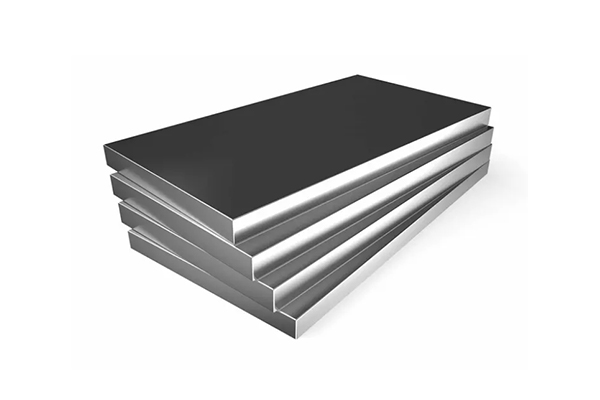
Common Automotive Metals
Steel (Carbon & Stainless)
Steel, in both carbon and stainless forms, is the backbone of automotive manufacturing. It is used extensively in the vehicle's chassis, body panels, and structural components due to its strength, cost-effectiveness, and versatility.
- Carbon Steel: Used for frame structures, body panels (such as hoods and fenders), doors, and roof sections, carbon steel offers excellent tensile strength and is affordable, making it ideal for mass production.
- Stainless Steel: A more specialized form of steel that incorporates chromium for rust resistance. It is often used for exhaust systems, trim, and other components exposed to high temperatures and corrosive elements.
Aluminum
Aluminum is prized in the automotive industry for its lightweight nature and corrosion resistance. It is increasingly used to reduce the overall vehicle weight, improving fuel efficiency, handling, and performance.
- Body Panels: Aluminum is widely used in body panels such as doors, fenders, and hoods, especially in higher-end models and electric vehicles (EVs), where weight reduction is critical for enhancing range and efficiency.
- Wheels: Aluminum is a common material for wheels due to its strength-to-weight ratio and ability to resist corrosion from road salt and moisture.
- Engine Components: Parts such as engine blocks, cylinder heads, and intake manifolds are often made from aluminum alloys, which provide a combination of lightness and strength, while also being able to withstand heat.
Magnesium
Magnesium is the lightest structural metal and is used in automotive parts where weight reduction is a priority.
- Gearbox Casings: Magnesium alloys are frequently used for the gearbox, as it helps minimize the overall weight of the powertrain system without compromising strength.
- Wheels and Steering Components: Magnesium's low weight and high strength make it a favorable choice for steering wheels and wheels, which helps in reducing overall vehicle weight and improving handling performance.
Copper
Copper is one of the most important metals in the automotive industry due to its high electrical conductivity.
- Electrical Wiring: Copper is used in wires, connectors, starters, and sensors in vehicles due to its excellent ability to conduct electricity. It plays a vital role in the vehicle's electrical systems, from power distribution to charging systems.
- Battery Terminals: Copper is also used in battery terminals and conductive components in both traditional internal combustion engine vehicles and electric vehicles (EVs), making it essential for modern automotive power systems.
Cast Iron
Cast iron remains a go-to material for automotive engine components due to its durability, heat resistance, and cost-effectiveness.
- Engine Blocks and Cylinder Heads: Cast iron's ability to handle high temperatures and resist wear makes it ideal for engine blocks and cylinder heads. It is often found in internal combustion engines (ICEs) and provides the necessary strength to withstand the high pressures and temperatures in the combustion chamber.
Specialty & Other Metals
Titanium Alloys
Titanium is used in the automotive industry for high-performance components where strength, lightweight, and corrosion resistance are crucial, despite its high cost.
- Exhaust Systems: Titanium is often used in exhaust systems, especially in high-performance vehicles and motorsports, where it can withstand high temperatures and resist corrosion, increasing the longevity and efficiency of the exhaust system.
- Springs and Valves: Titanium alloys are also used in suspension springs and engine valves due to their lightness and strength, which improve vehicle handling and performance.
Nickel Alloys
Nickel-based alloys such as Inconel and Monel are used for components exposed to extreme heat and stress.
- Exhaust Systems: These alloys are highly heat-resistant and are used in high-temperature exhaust systems and turbochargers, ensuring that the vehicle can operate under demanding conditions without degradation of the material.
- Specialized Components: Nickel alloys are also used in specialized components requiring high-temperature strength and resistance to corrosion.
Lead
While largely replaced by more modern materials, lead has historically been used in batteries and for wheel balancing.
- Batteries: Lead is primarily used in lead-acid batteries, though it has been largely replaced by lithium-ion batteries in electric vehicles (EVs).
- Wheel Balancing: Lead weights are used for balancing vehicle wheels, although this is becoming less common due to environmental concerns.
Brass & Bronze
Both brass and bronze are alloys of copper and are used in automotive applications requiring wear resistance and electrical conductivity.
- Bearings and Fittings: Brass and bronze are used in bearings, bushings, and fittings, where low friction and durability are essential. Their resistance to wear makes them ideal for high-performance mechanical components.
Why Different Metals Are Used
Automotive metals are selected based on the performance requirements of specific parts. Here's a breakdown of why certain metals are used in particular applications:
- Lightweighting
Aluminum and magnesium are used to reduce vehicle mass, which is critical for improving fuel efficiency, performance, and emissions in both conventional and electric vehicles.
- Strength & Safety
Steel, especially carbon steel, provides structural integrity in the chassis and crash zones to ensure the safety of passengers during a collision. It's also used extensively in body panels for its excellent tensile strength and ability to absorb impact forces.
- Corrosion Resistance
Metals like aluminum, stainless steel, and titanium are used where corrosion resistance is essential, particularly in exhaust systems and body panels, to prevent rusting and deterioration from moisture and road salts.
- Electrical Performance
Copper is used for wiring, connectors, and sensors due to its superior conductivity, ensuring the efficient operation of the vehicle's electrical systems.
- High-Temperature Performance
Cast iron, titanium, and nickel alloys are used in components that are subjected to high temperatures like engines and exhaust systems. These materials can withstand extreme conditions, ensuring the durability and performance of critical engine parts.
Conclusion
Automotive metals are crucial in determining the performance, durability, and safety of vehicles. Steel and aluminum form the foundation of vehicle construction, providing strength, affordability, and corrosion resistance. Specialized metals like magnesium, copper, titanium, and nickel alloys enhance the performance of specific components, such as lightweight wheels, electrical systems, and high-temperature exhaust systems. By carefully selecting metals for their unique properties, automotive manufacturers are able to create vehicles that are not only safe and durable but also efficient and environmentally friendly. For more information, please check Stanford Advanced Materials (SAM).
 Chin Trento