
 Products
 Bars
Bars
 Beads & Spheres
 Bolts & Nuts
 Crucibles
 Discs
Discs
 Fibers & Fabrics
 Films
Films
 Flake
Flake
 Foams
Foams
 Foil
Foil
 Granules
 Honeycombs
 Ink
Ink
 Laminate
 Lumps
Lumps
 Meshes
 Metallised Film
 Plate
Plate
 Powders
 Rod
Rod
 Single Crystals
 Sputtering Target
 Tubes
Tubes
 Washer
 Wires
Wires
 Converters & Calculators
 Write for Us



Top 10 Myths About Aerospace Metals—Debunked!

Description
Explore a clear and straightforward guide that busts the top 10 myths about aerospace metals. Gain insights from proven research and practical experience to understand the real science behind these essential materials in modern aviation and space exploration.
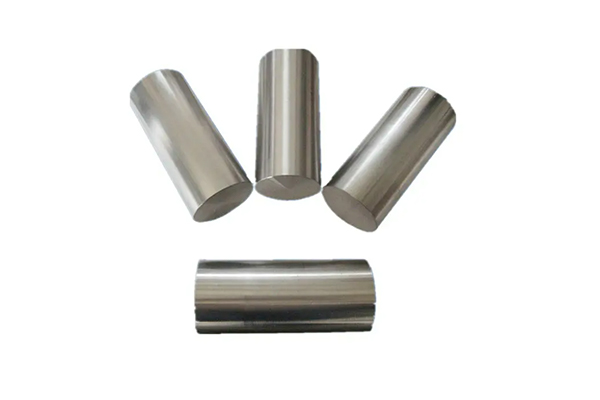
Myth 1: Aerospace Metals Are Too Heavy to Fly
Everybody assumes that metals utilized in aerospace are heavy in nature and would make aircraft or rockets travel slowly. In reality, engineers use lightweight metal alloys like aluminum, titanium, and high-performance composite materials. All of these materials possess the attributes of strength along with low density and are ideal for high-performance aerospace systems.
Myth 2: Metals in Aerospace Are More Susceptible to Rust and Corrosion
A second common myth is that aircraft metals rust and corrode easily. The truth is that aerospace materials are treated differently. Aerospace materials undergo rigorous processes – anodizing, coating, and alloying – to withstand extreme environments. This makes them robust for long periods, even under extreme conditions.
Myth 3: Titanium is Too Expensive to Use Widely
Titanium is generally faulted as being too expensive. Even though this metal is more expensive than the others, its improved strength-to-weight ratio and corrosion resistance are worth the investment. Engineers prefer to utilize it in major structural parts where performance and safety cannot be sacrificed.
Myth 4: Aerospace Metals Fail Unexpectedly Under Stress
It is generally assumed that aerospace metals in high-stress conditions will suddenly fail without warning. Aerospace metals, however, undergo rigorous testing and design with safety factors strictly enforced. Maintenance schedules before problems develop and periodic inspections allow for detection of any emerging problems before it becomes dangerous, ensuring predictable performance.
Myth 5: Only a Few Metals Are Used in Aerospace
Others think that aerospace relies on a few limited metals. In reality, there is a wide variety of metals and alloys such as aluminum, titanium, nickel-based superalloys, and even rare refractory metals designed to meet diverse performance needs. Such diversity allows engineers to choose the best material for each aircraft or spacecraft component.
Myth 6: New Metal Innovations Are Rare in Aerospace
There is a myth that the aerospace industry is faithful to traditional metals and barely welcomes new innovations. In fact, there is research being conducted in developing advanced alloys that are lighter, stronger, and more resistant. These innovations are usually the product of collaborations between academic institutions and industry giants.
Myth 7: Recycling Aerospace Metals is Inefficient
It is commonly thought that recycling metals from retired aircraft is impossible or not feasible. Recycling processes have made tremendous progress today. Aluminum and titanium are separated, melted, and recycled to produce new aerospace components. This technology reduces waste and the cost of production.
Myth 8: Aerospace Metals Are Only Important for the Airframe
Metals are, of course, believed to be needed only to build the external structure of airplanes. In fact, metals find their use in every part of an aerospace vehicle—ranging from engines and landing gear to interior systems. Their properties are required for anything from withstanding heat to stress and strain handling in flight.
Myth 9: Aerospace Metal Failures Result from Inadequate Material Quality
Another myth is that failures are the result of inferior metals only. Failures, when they occur, typically result from a combination of design flaws, unexpected operating stresses, or maintenance issues. Aerospace metals are always top quality due to rigorous manufacturing requirements and test controls.
Myth 10: The Use of Advanced Metals Makes Air Travel Unsafe
Finally, some people worry that using sophisticated metals in airplanes means flying is not safe. Actually, new aerospace metals are carefully tested and inspected for quality. They are chosen specifically to enhance safety and reliability, and air and space travel is among the safest modes of transportation now. For more information, please check Stanford Advanced Materials (SAM).
Frequently Asked Questions
F: What makes aerospace metals different from regular
industrial metals?
Q: Aerospace metals are specially engineered using alloys and treatments to
combine light weight, high strength, and excellent resistance to corrosion and
heat, which are essential for performance in extreme conditions.
F: How do engineers decide which metal to use in a specific
aircraft part?
Q: Engineers consider factors such as load, temperature, stress, and
environmental exposure. They choose metals that best meet these requirements
while also taking cost and availability into account.
F: Can the recycling of aerospace metals help reduce
environmental impact?
Q: Yes, modern recycling methods for metals like aluminum and titanium are
efficient and help reduce waste, lowering the environmental footprint of the
aerospace industry.
 Chin Trento