
 Products
 Bars
Bars
 Beads & Spheres
 Bolts & Nuts
 Crucibles
 Discs
Discs
 Fibers & Fabrics
 Films
Films
 Flake
Flake
 Foams
Foams
 Foil
Foil
 Granules
 Honeycombs
 Ink
Ink
 Laminate
 Lumps
Lumps
 Meshes
 Metallised Film
 Plate
Plate
 Powders
 Rod
Rod
 Single Crystals
 Sputtering Target
 Tubes
Tubes
 Washer
 Wires
Wires
 Converters & Calculators
 Write for Us



8 Myths about EV Batteries You Need to Stop Believing

Description
While electric vehicle batteries have revolutionized the automotive industry, several myths are still associated with the performance and longevity of these batteries. This article will explain various misconceptions regarding Li-ion, NiMH, and solid-state batteries.
Myth 1: EV Batteries Don't Last Long
One common myth about EVs is that the batteries do not last very long. In reality, modern Li-ion batteries-the most common used in electric vehicles-last anywhere from 8 to 15 years, based on use and environmental conditions. These batteries come with warranties of up to 10 years, giving consumers peace of mind about their longevity. Although older models of EVs may have shorter lives for their batteries, today's batteries are much more durable and efficient due to advances in their technology.
Myth 2: EV batteries are harmful to the environment.
While it is true that manufacturing batteries tends to have an environmental effect, the general carbon footprint of an electric vehicle is much smaller compared with traditional gasoline-powered vehicles, especially when considering their total lifecycle. Using renewable energy sources to charge EVs even further lowers their environmental impact. Also, the development of battery recycling makes it simpler to retrieve valuable materials like lithium, nickel, and cobalt, which can be reutilized for new battery production, minimizing waste.
Myth 3: Li-ion batteries are the only types of batteries used in EVs.
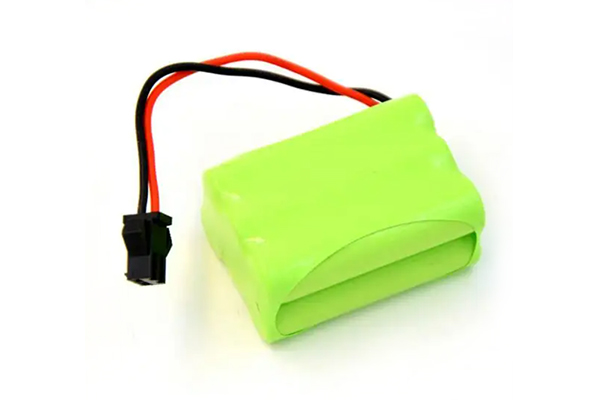
Not all electric vehicles today use Li-ion batteries, although it may be the most common choice. Early hybrid models used NiMH batteries, and there is ongoing research for other alternative battery options, including solid-state batteries. This is because, especially for solid-state batteries, energy density is higher compared to traditional Li-ion batteries, with greater safety features. Currently, however, solid-state batteries are still under development and are not yet a common consumer product.
Myth 4: EV Batteries are too expensive to replace.
The foremost thing that people usually say is how expensively an EV battery starts off. However, the cost of batteries has come down significantly over the past decade. In fact, lithium-ion battery prices have plunged more than 85% since 2010, bringing electric vehicles closer to affordability. Secondly, most EV companies usually have extended warranties that replace batteries. Thus, as battery technology gets even better and manufacturing processes begin scaling up, the cost of replacement will continue to go down.
Myth 5: EV batteries are all the same.
Not all EV batteries are the same, as the kind depends on the manufacturer and model. The most popular is the lithium-ion battery due to its high energy density, lightweight, and fast charging. On the other hand, NiMH batteries are less in use for recent EVs but were initially used in hybrid models. Solid-state batteries, which are still under development, promise better performance, increased safety, and a longer lifespan.
Myth 6: EV Batteries Can’t Handle Extreme Temperatures
While extreme temperatures might be affecting the performance, the latest electric vehicle batteries can function in extreme conditions. Most EVs have a battery thermal management system to maintain suitable temperatures for the batteries and prevent over-heating or freezing. Although very low or high temperatures can temporarily reduce their efficacy, they do not pose a significant threat to the battery's lifespan.
Myth 7: EV Batteries Are Difficult to Recycle
Recycling EV batteries isn't that hard, actually. It is a key process to reduce the environmental impact of battery production and consumption. Many automakers and battery manufacturers have put in place recycling programs to reclaim valuable materials from used batteries. Technologies are also emerging capable of improving the efficiency of the recycling process toward more sustainable battery production and disposal.
Myth 8: EV Batteries Are Too Heavy for Practical Use
While electric vehicle batteries can be heavy, significant strides have been made by manufacturers in making batteries lighter without sacrificing their energy storage capacity. Lithium-ion batteries are lighter than their predecessors, such as nickel-metal hydride batteries, and solid-state batteries are likely to reduce weight even further. Additionally, EV manufacturers are optimizing their vehicle designs in order to more capably handle the weight of the battery and maintain practicality and functionality of the vehicle.
Frequently Asked Questions
How long does an average EV battery last?
A typical EV battery lasts for 8 to 15 years, depending on usage and environmental factors.
How much does it cost to replace an EV battery?
The cost of replacing a battery can vary, but it has fallen dramatically over the last decade. Many manufacturers provide warranties, which also cover replacement for up to 10 years.
Are lithium-ion batteries the best option for electric vehicles?
Currently, lithium-ion batteries are the most common option, though alternatives, like nickel-metal hydride and solid-state batteries, go along with their own set of benefits.
Can electric vehicle batteries be recycled?
Yes, EV batteries can be recycled. Efforts are in place to enhance the processes of battery recycling to recover valuable materials, such as lithium, nickel, and cobalt.
Are solid-state batteries better than lithium-ion batteries?
Solid-state batteries boast better energy density and high levels of safety, but they remain in the developmental stage and have not yet seen widespread usage.


 Chin Trento