
 Products
 Bars
Bars
 Beads & Spheres
 Bolts & Nuts
 Crucibles
 Discs
Discs
 Fibers & Fabrics
 Films
Films
 Flake
Flake
 Foams
Foams
 Foil
Foil
 Granules
 Honeycombs
 Ink
Ink
 Laminate
 Lumps
Lumps
 Meshes
 Metallised Film
 Plate
Plate
 Powders
 Rod
Rod
 Single Crystals
 Sputtering Target
 Tubes
Tubes
 Washer
 Wires
Wires
 Converters & Calculators
 Write for Us



What is the Material of Your Phone Body?

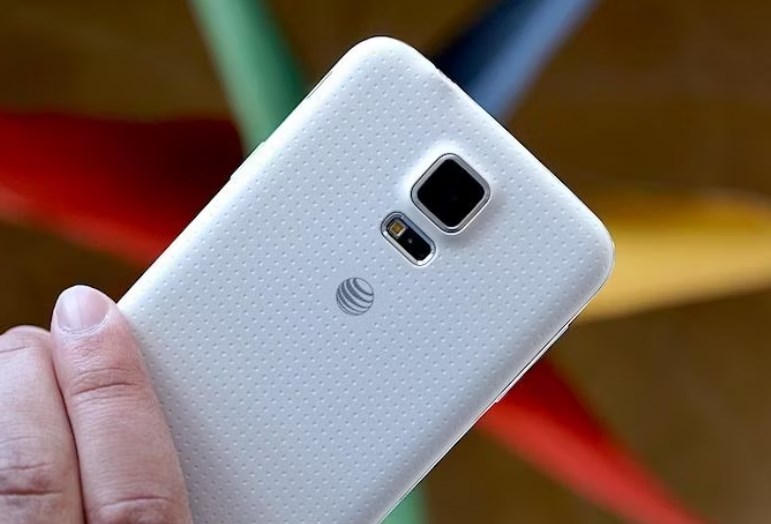
Smartphones have become a necessity in people's lives and are the most popular electronic digital products nowadays. Performance is important when choosing a phone, but so is the look, feel and firmness of the phone, which mainly depend on the quality of the phone's body. At present, the main materials of the body of mobile phones are metals, glass, and plastics, and ceramic materials are also used in some more advanced mobile phones.
Metal Body
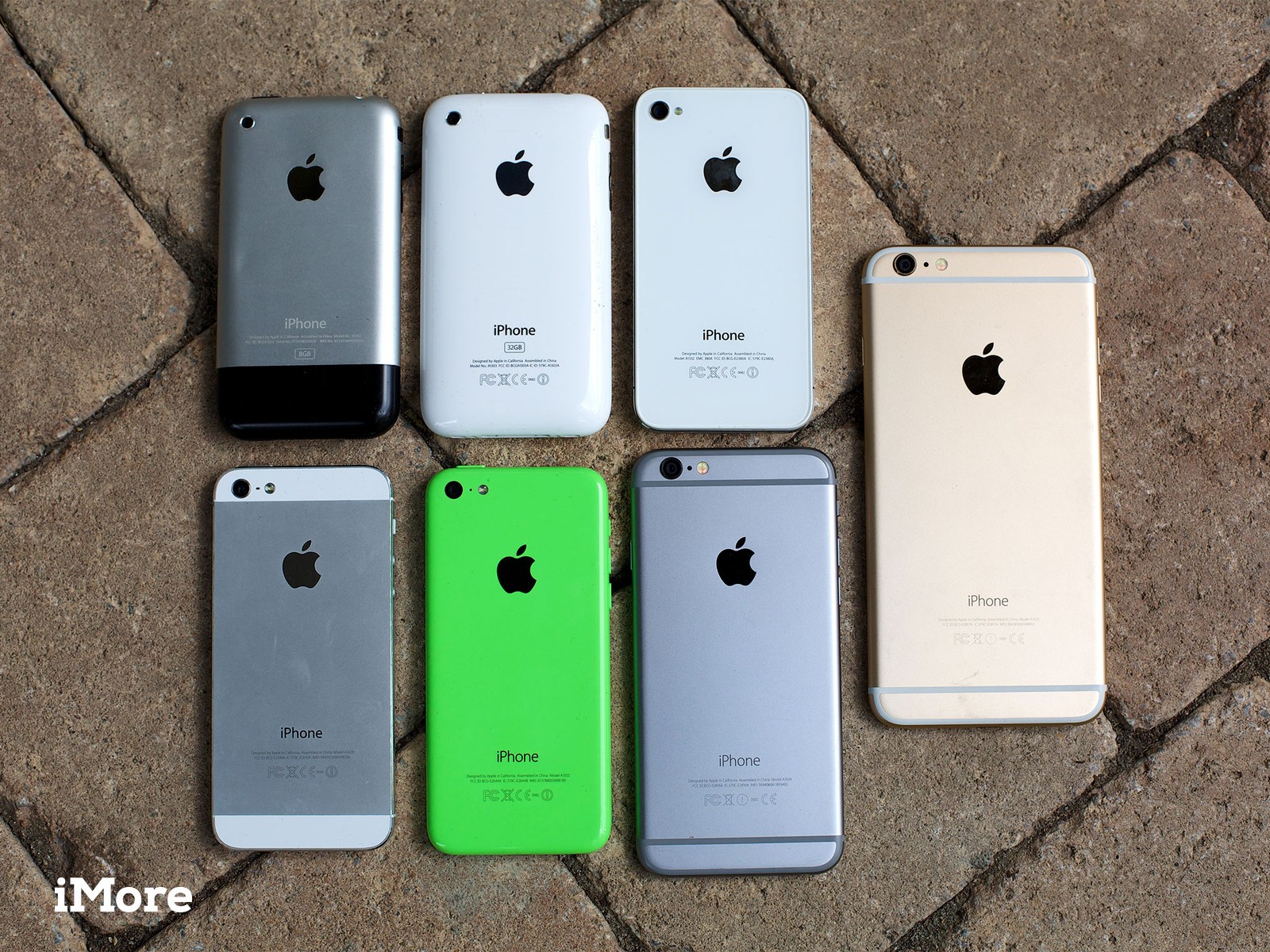
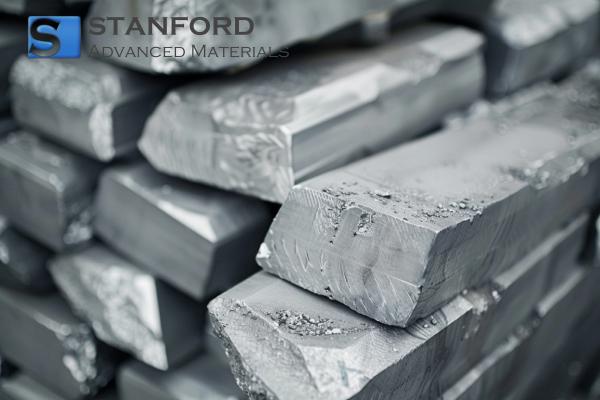
The metal Body is made mainly of aluminum alloy, which is mixed with a small amount of magnesium or other metal materials to enhance its strength. Magnesium-aluminum alloy and titanium-aluminum alloy are now commonly used as the body of mobile phones. Currently, aluminum is the most versatile and cost-effective smartphone body material, and it is more recyclable than titanium and magnesium.
Recent innovations have introduced magnesium and titanium alloys in high-end models, offering enhanced strength and reduced weight. Magnesium, lighter than aluminum, provides excellent durability and heat dissipation. Titanium, known for its superior strength and corrosion resistance, is used in luxury smartphones despite its higher cost.
Glass Body
The glass used in the mobile phone body is a kind of chemically reinforced glass, and its raw material is a special sodium silicate glass material, which can enhance its strength by exchanging sodium ions and potassium ions. Because the ion-exchange layer is conducted uniformly, the chemically toughened glass method is used to enhance the thin glass with remarkable effect, especially suitable for glass under 5mm.
Chemically strengthened glass, like Corning Gorilla Glass, is used for its resistance to scratches and impacts. The latest advancements, such as Corning Gorilla Glass Victus, provide even better durability against drops and scratches. Glass is also fully recyclable, making it an eco-friendly option.
Plastic Body
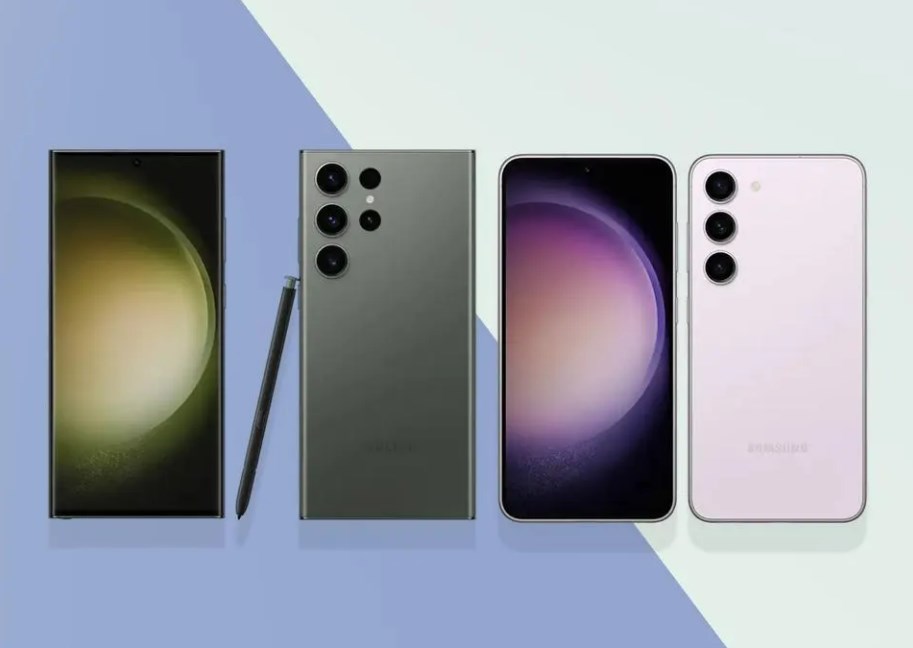
The most common plastic material on mobile phones today is polycarbonate (PC), which is resistant to weak acids and alkalis, as well as neutral oil. Besides that, PC materials have fire resistance, wear resistance, and oxidation resistance. The plastic body has many advantages, such as high strength and elasticity, high impact strength, high transparency, and free dyeing. Moreover, PC materials are tasteless, odorless, and harmless to the human body.
However, the main performance defect of PC is that its hydrolytic stability is not high enough, and it will turn yellow when exposed to ultraviolet rays for a long time. Like other resins, the PC is vulnerable to some organic solvents. Innovations in biodegradable plastics and recycled materials are making plastic bodies more environmentally friendly. These innovations offer better durability and resistance to environmental factors. While plastic may not offer the same premium feel as metal or glass, it is often better at withstanding drops and other impacts.
Ceramic Body
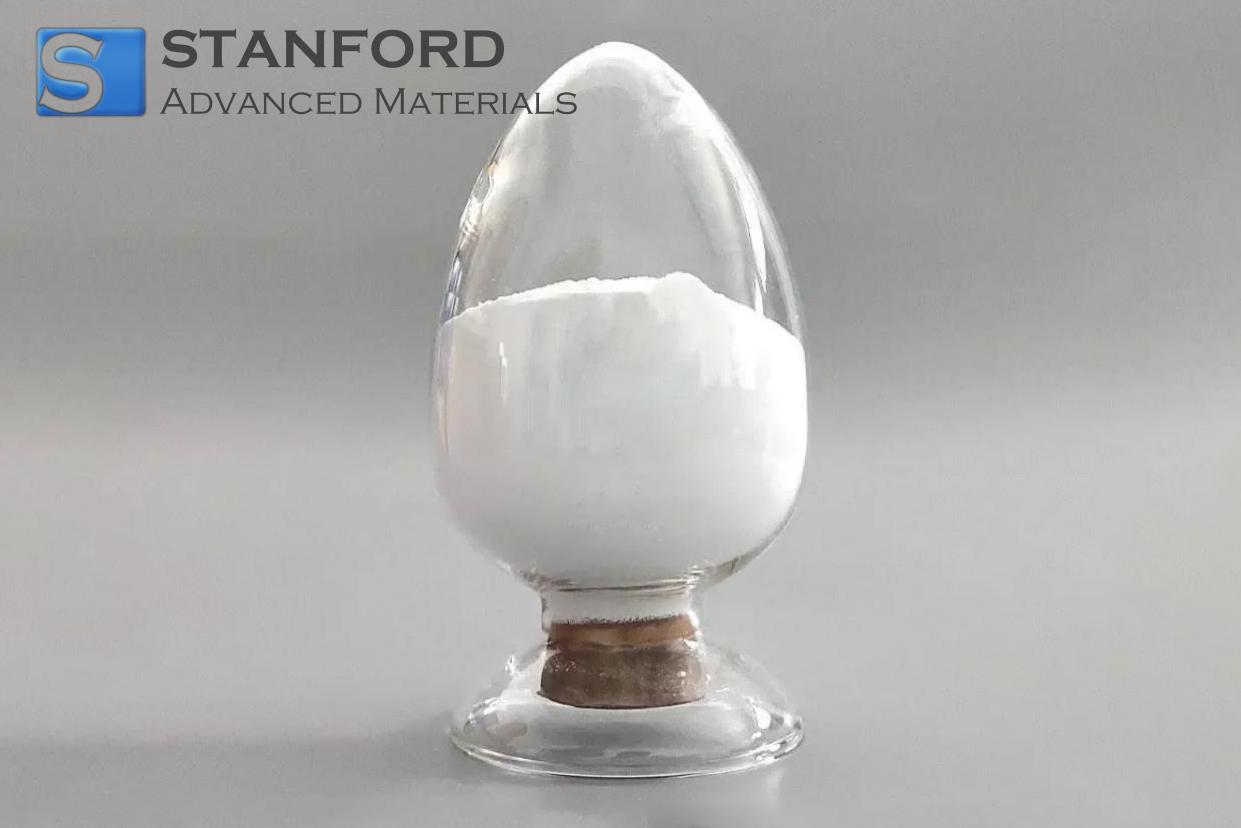
Ceramic materials such as yttria-stabilized zirconia are composite materials. Yttrium oxide (yttria) is used as a stabilizer. The material is mainly tetrahedral and has the highest bending strength of all zirconia materials, especially when sintered. Recent advancements in ceramic technology have improved its impact resistance and reduced brittleness. Ceramics are gaining popularity for their strength and durability. Additionally, ceramic materials are non-conductive, which helps in maintaining good signal transmission.
Ceramic materials have the luster of metal and good ductility, which makes the material less prone to problems such as glass body bursting during later finishing. Although the ductility has improved, in fact, ceramics are also easy to break due to high hardness. Besides that, although it is not as exaggerated as metal, ceramic materials still have certain shielding for signals, which puts forward higher requirements for the manufacturer's antenna design.
Future Trends
The smartphone industry is continually innovating, and new materials are being explored to improve durability, sustainability, and aesthetics. Composite materials are becoming more popular, combining the strengths of different materials to create strong, lightweight bodies. There is also an increasing focus on sustainability, with more manufacturers using recycled materials and eco-friendly production processes.
Conclusion
The material of your phone body plays a crucial role in its overall performance and feel. From metals to ceramics, each material offers unique benefits and challenges. As technology advances, we can expect even more innovative materials to be used in the smartphones of the future.
 Chin Trento