Products
 Bars
Bars
 Beads & Spheres
 Bolts & Nuts
 Crucibles
 Discs
Discs
 Fibers & Fabrics
 Films
Films
 Flake
Flake
 Foams
Foams
 Foil
Foil
 Granules
 Honeycombs
 Ink
Ink
 Laminate
 Lumps
Lumps
 Meshes
 Metallised Film
 Plate
Plate
 Powders
 Rod
Rod
 Single Crystals
 Sputtering Target
 Tubes
Tubes
 Washer
 Wires
Wires
 Converters & Calculators
 Write for Us



Metal Casting for Beginners: A Comprehensive Guide

Metal casting is a time‐honored method that has been used for centuries. It involves pouring molten metal into a mold and allowing it to solidify. This process shapes metal into parts and objects. In this guide, I share simple language and clear ideas from years of experience in engineering and mechanics. I have seen many changes in casting technology. Yet, the basic process still holds its value. This article offers a clear explanation, straightforward examples, and practical insights for beginners.
What is metal casting?
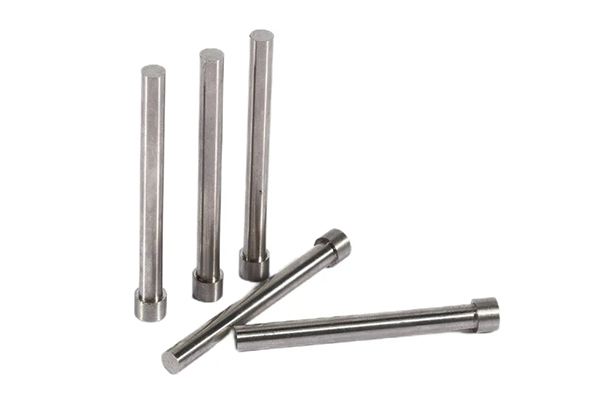
Metal casting is a process where molten metal is poured into a mold. The metal is heated until it becomes liquid. After the metal is poured, it cools and solidifies. The shape of the mold determines the final part. This technique has been used since ancient times. It is common in both small workshops and large foundries. The process is reliable when proper care is taken in every step.
What is metal casting used for?
Metal casting has many uses. Car engine parts, kitchen utensils, sculptures, and machine components are common examples. In the automotive industry, cast parts form the foundation of robust engines and transmission systems. In construction, metal castings can create durable and strong supports. There are also uses in art, where metal casting gives artists the ability to shape intricate designs in bronze or other metals.
Even common household items such as door handles and lamp posts may begin as casts. Many small production shops rely on casting to produce parts quickly and at a lower cost. Small businesses sometimes cast parts for repairs or custom orders. It is a versatile process that serves many industries with affordability and efficiency.
Types of metal casting
There are several types of metal casting. Each type suits different needs. Sand casting remains one of the most popular methods. In sand casting, a sand mold is used. It is simple and cost-effective for small to large production runs. Die casting is another common type. This method uses a metal mold called a die. Die casting provides a good surface finish and is used when high volume production is needed.
Investment casting is known for its high precision. In this method, a wax model is first produced and then replaced with metal. Centrifugal casting is unique. The molten metal is rotated to form symmetrical parts like pipes or rings. Other methods such as permanent mold casting also see wide usage. Each casting type has its own pros and cons. The choice depends on the metal used, the complexity of the design, and production volume.
Metal casting process
The metal casting process is made of several steps. First, a mold is prepared. The mold can be made from sand, metal, or another suitable material. Next, the metal is melted in a furnace. The temperature of the furnace must be high enough to turn the metal into a liquid state. Then, the molten metal is poured into the mold. Pouring must be done steadily and with care to avoid defects.
After the metal fills the mold, it is allowed to cool. Cooling must be controlled. The cooling time can vary with the type of metal and the size of the mold. Once the metal solidifies, the casting is removed from the mold. The next step is cleaning. Cleaning removes any leftover mold material and unwanted surfaces. Finally, finishing touches are applied. These may include grinding, machining, or painting. Each step needs attention to detail to ensure the final product is of good quality.
The entire process may seem simple but requires careful control of temperature, timing, and quality checks. The quality of the final metal part depends on each stage being executed correctly. History shows that small mistakes at early stages can lead to significant defects in the finished cast.
Conclusion
Metal casting is an important process in the fields of engineering and manufacturing. The method has been used for centuries to create everything from simple household items to complex machinery parts. This guide has covered the definition of metal casting, its common uses, the types of casting techniques, and the detailed process used to create metal parts.
From a seasoned perspective, I can say that understanding the basics of metal casting opens a door to many practical applications. It provides a foundation on which advanced techniques are built. Whether you work in a large factory or a small workshop, the art of metal casting remains as relevant as ever. With careful planning, control, and experience, metal casting will continue to be an essential tool in the production of quality metal parts.
Frequently Asked Questions
F: What does casting involve?
Q: Casting pours molten metal into a mold to form a solid part after cooling.
F: Why is sand casting popular?
Q: Sand casting is popular due to its low cost and simple mold preparation.
F: Can casting produce complex shapes?
Q: Yes, methods like investment casting allow for high precision and complex shapes.
 Chin Trento