
 Products
 Bars
Bars
 Beads & Spheres
 Bolts & Nuts
 Crucibles
 Discs
Discs
 Fibers & Fabrics
 Films
Films
 Flake
Flake
 Foams
Foams
 Foil
Foil
 Granules
 Honeycombs
 Ink
Ink
 Laminate
 Lumps
Lumps
 Meshes
 Metallised Film
 Plate
Plate
 Powders
 Rod
Rod
 Single Crystals
 Sputtering Target
 Tubes
Tubes
 Washer
 Wires
Wires
 Converters & Calculators
 Write for Us



List of Metals Used in the Medical Field

Description
In the field of medicine, metals play a big role. Many devices and implants rely on different kinds of metals. Since they have strong properties and long life, metals are used to help patients and support healthcare. This article gives a straightforward look at the metals in the medical world, the reasons behind their choices, and the real applications that affect everyday life.
Importance of Metals in Medical Devices and Implants
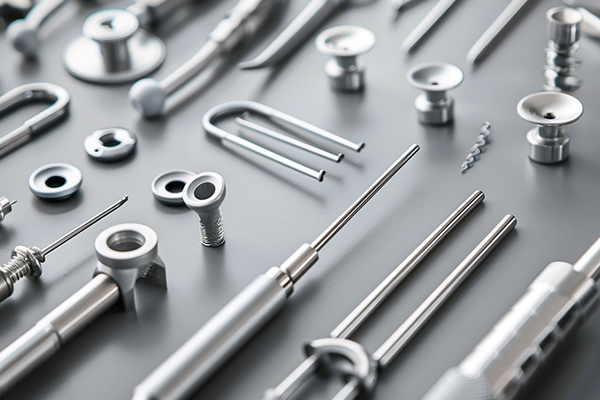
Metals have served the medical field for many years. They are used in devices like pacemakers, artificial joints, and dental implants. Metals are favored because they are hard and resistant to wear. They can stand body fluids without corroding quickly. Many times, metals also allow doctors to see the structure of implants clearly in X-rays. For instance, stainless steel and titanium are two well-known metals that have helped save lives. Stainless steel is used in surgical instruments, while titanium is excellent for implants due to its strength and compatibility with the body. In surgical procedures, these metals help improve patient outcomes and shorten recovery times.
Key Requirements for Medical Metals
For a metal to be chosen for medical devices, it must meet several important requirements.
First, it needs to be non-toxic. The metal must not cause harmful reactions once it is inside the body.
Second, durability is a must. Medical implants and devices can be exposed to mechanical stress and chemical exposure. They must not break down easily.
Third, the metal must be resistant to corrosion. The human body has many fluids and salts that can affect metals.
Fourth, biocompatibility is critical. The body should accept the metal without an immune response or allergic reaction.
Finally, metals must be easy to work with. They need to be formed, welded, or machined into device components without losing their strength.
Types of Metals Used in Medical Devices
Several metals are commonly used in medical devices due to their unique properties. The most widely used metals include:
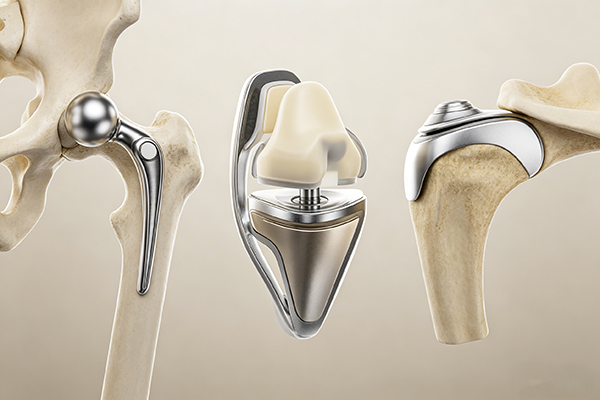
Titanium is one of the most commonly used metals in the medical field due to its excellent biocompatibility and corrosion resistance. It is lightweight yet strong, making it ideal for implants such as joint replacements, dental implants, and prosthetic devices.
Stainless steel is widely used in surgical instruments, orthopedic implants, and cardiovascular devices. Its resistance to rust and high tensile strength make it a reliable material for devices that are subjected to repeated stress.
Cobalt-chromium alloys are often used in joint replacements and dental implants due to their high strength and wear resistance. These alloys are also resistant to corrosion, making them durable over long periods of use.
Nickel-titanium alloys, also known as Nitinol, are used in medical devices such as stents and guidewires. These alloys are particularly valuable because of their unique shape memory properties, which allow them to return to a predetermined shape when heated.
Gold is used in some medical devices due to its excellent electrical conductivity and biocompatibility. It is often found in implantable devices like pacemakers and certain dental materials.
Silver is used for its antimicrobial properties, particularly in wound dressings and surgical instruments. It helps prevent infection in patients undergoing medical treatments.
Applications of Metals Used in Medical Device
Metals are used in many medical applications. In the field of orthopedics, metals provide the strength needed for joint replacement implants. Patients who suffer from arthritis or injuries benefit from titanium and cobalt-chromium implants. In cardiovascular treatments, metal stents are used to keep arteries open. These stents, often made from nickel-titanium alloys, adjust to the natural curves of blood vessels. In dentistry, metal alloys are used in crowns and bridges. Dental implants need the strength and durability provided by metals like titanium, ensuring they last many years in the mouth. Surgical tools are another major application. Scalpels, forceps, and clamps are commonly made of stainless steel because its resistance to corrosion ensures hygiene and reliability. Prosthetics also incorporate metals because they must take on daily stresses from movement and use. These applications highlight the role of metals not just in preserving life but in enhancing the quality of life as well. For more information, please check Stanford Advanced Materials (SAM).
Conclusion
Metals have a long history of service in the medical field. They support devices, implants, and instruments with their unique qualities. The choice of metal is based on safety, strength, and ease of use. In our everyday medical practices, metals help repair and restore function in the human body. Their reliability has been proven in many cases over the years. As technology advances, research continues to find even better ways to use metals in medicine.
Frequently Asked Questions
F: What metals are common in medical implants?
Q: Stainless steel, titanium, and cobalt-chromium alloys are common metals used in implants.
F: Why is titanium favored for implants?
Q: Titanium is light, strong, and compatible with the human body.
F: What makes a metal suitable for medical applications?
Q: Non-toxicity, durability, corrosion resistance, and biocompatibility are key factors.

 Chin Trento