
 Products
 Bars
Bars
 Beads & Spheres
 Bolts & Nuts
 Crucibles
 Discs
Discs
 Fibers & Fabrics
 Films
Films
 Flake
Flake
 Foams
Foams
 Foil
Foil
 Granules
 Honeycombs
 Ink
Ink
 Laminate
 Lumps
Lumps
 Meshes
 Metallised Film
 Plate
Plate
 Powders
 Rod
Rod
 Single Crystals
 Sputtering Target
 Tubes
Tubes
 Washer
 Wires
Wires
 Converters & Calculators
 Write for Us



Wind Turbine: What Is It and How Does It Work

Wind turbines convert the natural movement of air into clean, usable electricity, making wind energy one of the most practical and widely adopted renewable power sources in the modern world.
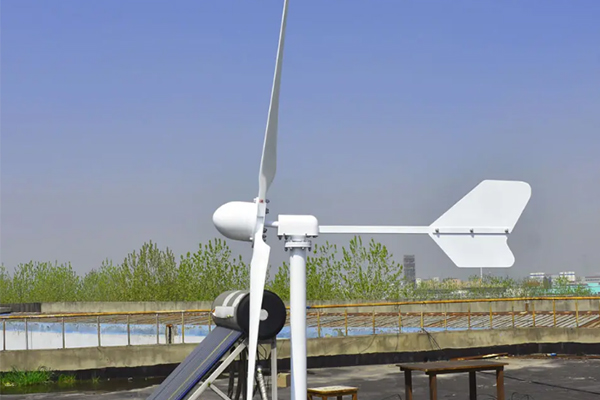
What Is Wind Energy?
Wind energy is the power that comes from air moving from high to low pressure. You see it in nature. People use wind energy to produce electricity. It is a renewable energy source. The wind will always blow in some place. Wind energy does not harm the earth when used properly. Wind energy production has grown in many countries. Several wind farms now produce power for cities and towns. Wind energy has been helpful in reducing the use of fossil fuels.
How Do Wind Turbines Work?
Wind turbines function by harnessing the kinetic energy in the wind and converting it to mechanical energy, which is further converted to electrical energy. This is achieved through the spinning of the turbine blades, which are attached to a rotor that turns a generator to generate electricity. The speed at which the turbine blades spin is directly related to the speed of the wind, and therefore wind turbines function best in areas with high wind speeds.
The turbine blades are designed to harness the energy from the wind. As the wind passes over the blades, it pushes them, causing them to spin. The spinning of the blades is responsible for the rotation of a shaft that is attached to a generator. The generator converts the mechanical energy to electrical energy. The electrical energy is then transmitted to a grid via cables.
What Are the Main Components of a Wind Turbine?
A wind turbine has a number of key parts that all function together to enable wind energy to be converted to electric power. These key parts include:
- Blades: These are large, aerodynamically shaped structures that are responsible for capturing wind energy.
- Rotor: These are composed of the blades and hub, and their role is to convert wind energy to mechanical energy.
- Nacelle: Located on top of the tower, it contains all essential parts of the wind turbine, such as the generator and gearbox. It is responsible for spinning the rotor and converting mechanical energy to electric power.
- Tower: It supports all other parts of the wind turbine. It is designed to raise the wind turbine high enough to allow wind speeds to be optimal.
- Generator: It is responsible for converting mechanical energy to electric energy.
- Gearbox: In some wind turbines, a gearbox is present. It is responsible for increasing the speed of the rotor, thus enhancing its efficiency.
These components work together seamlessly to ensure the wind turbine functions efficiently and produces electricity as the wind blows.
What Are the Major Applications of Wind Energy?
There are various ways that wind energy is used. A common example of the use of wind energy is the use of large wind farms that generate electricity. These farms consist of many wind turbines. There are also residential wind turbines. These are used for village and farm use. Wind energy is also used in remote areas where electricity cannot be obtained easily. The countries that use this form of energy include the United States, Germany, India, and China. They use wind turbines for the conservation of energy and reduction of pollution.
Why Do We Need Wind Energy?
We need wind energy for many practical reasons. It is a renewable energy source. It helps cut down on air pollution. It reduces our dependency on oil, gas, and coal. It minimizes the risks of causing any harm to the environment. With the presence of wind turbines on farms, we can share the energy. It provides jobs and industries with the creation of wind energy. It provides countries with a stable future. It provides balance with the use of wind turbines. It can be combined with other sources of renewable energy, such as solar energy. This combination will provide us with a steady supply of power.
Conclusion
Wind turbines take the natural force of the wind and turn it into electrical power. Their basic parts are simple and effective. The blades, tower, nacelle, and rotor work together to convert wind energy. Wind energy is used in large wind farms and small installations. It has helped many parts of the world produce clean energy. This renewable source is key to reducing pollution. It also supports local economies and creates jobs. In simple terms, wind energy is a resource that benefits both people and the planet. Its efficiency and sustainability make it a promising tool for the future of energy generation.
Frequently Asked Questions
F: What is the main purpose of a wind turbine?
Q: A wind turbine converts wind energy into electrical power using rotating blades and a generator.
F: How many blades does a common wind turbine have?
Q: Most modern wind turbines have three blades to ensure good balance and efficiency.
F: Is wind energy a reliable power source?
Q: Yes, wind energy is renewable and reliable when paired with modern energy storage and grid management.



 Chin Trento