
 Products
 Bars
Bars
 Beads & Spheres
 Bolts & Nuts
 Crucibles
 Discs
Discs
 Fibers & Fabrics
 Films
Films
 Flake
Flake
 Foams
Foams
 Foil
Foil
 Granules
 Honeycombs
 Ink
Ink
 Laminate
 Lumps
Lumps
 Meshes
 Metallised Film
 Plate
Plate
 Powders
 Rod
Rod
 Single Crystals
 Sputtering Target
 Tubes
Tubes
 Washer
 Wires
Wires
 Converters & Calculators
 Write for Us



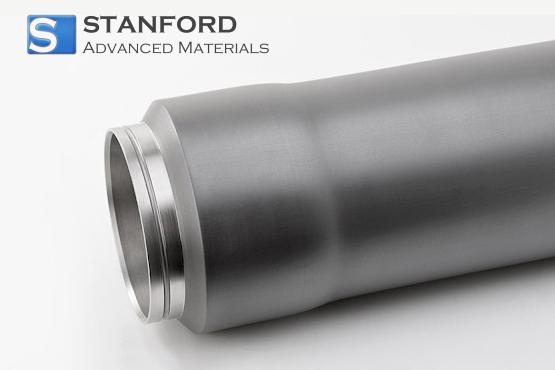
Tantalum Tube for Jeweler Industry Wedding Ring

Introduction
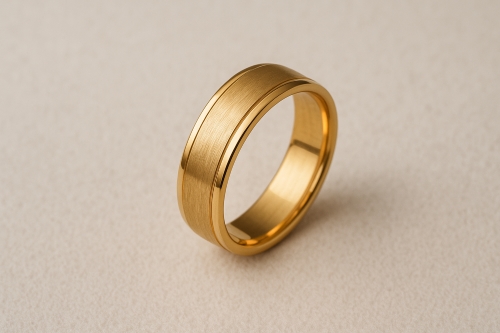
Tantalum has been used in many high-end industrial applications for many years. Its use in the jeweller industry is growing, especially for wedding rings. Many years of work in materials processing have shown that tantalum is very unique. It stands up well to everyday wear and tear. Today we will talk about how tantalum tubes support the creation of beautiful and long-lasting wedding rings.
What Are the Key Material Properties of Tantalum?
Tantalum is known for its strong resistance to corrosion and its high melting point, which is around 3000°C. The density is about 16.6 grams per cubic centimeter. Such figures mean that tantalum can handle high temperatures and harsh conditions. It is chemically inert in many conditions, which means it does not rust or tarnish easily. Tantalum also offers high ductility. Its capacity to bend without breaking makes it a strong choice for rings that face daily use. This data shows that tantalum can maintain its shine and strength over long use.
Tantalum has a unique texture and a matte-to-sheen finish when polished. Many experienced jewellers praise its natural beauty. A common case is when a customer requests a ring that keeps its luster even after years of wear. Tantalum meets that need with ease. Its mechanical strength and resistance to scratches further add value in the case of wedding rings, which are worn every day.
Related reading: Tantalum: Properties and Applications
Why Choose Tantalum for Wedding Rings?
Wedding rings must look good and withstand everyday work and play. Tantalum offers both beauty and endurance. Unlike other metals that may develop an unwanted patina over time, tantalum remains fairly unchanged even after many years. Many couples value the idea of a ring that will look as good years later as it does on the day of the wedding.
Tantalum is also hypoallergenic. Many people have sensitive skin. Tantalum is a safe choice for them. This safety adds to its appeal. This property makes it suitable for individuals with metal allergies. The strength, combined with a unique natural look, makes tantalum tubes an ideal choice. Using such tubes allows jewellers to create rings that are both modern and long-lasting.
How Are Tantalum Tubes Designed and Fabricated?
The process to create tantalum tubes begins with high-purity raw tantalum. The metal is first melted and refined. Then it is cast into ingots. With traditional mechanical methods, these ingots are rolled or extruded into tubes. The tubes go through processes like rotary swaging and machining to achieve the fine size needed for a wedding ring.
Polishing and surface treatment are essential steps. In many modern workshops, technicians use fine abrasives to achieve a smooth surface. In some cases, tantalum is given a surface treatment that enhances its natural shine. The entire process is carefully controlled. Many experienced craftsmen say that controlling heat and pressure during fabrication is key to maintaining the metal’s strength and unique color. The methods used remind us of the old ways of metal crafting, combined with modern precision.
How Is the Performance of Tantalum Rings Evaluated?
The performance of any wedding ring hinges on its durability and appearance. Tantalum rings are tested for scratch resistance. Common tests include light abrasion and impact tests. The results help guide adjustments in final fabrication.
In addition to physical testing, jewelers evaluate the rings for long-term comfort and wear. Tantalum rings are known for their hypoallergenic performance and stability over time. Many companies conduct simulated aging tests to see how the metal stands up to everyday life. If a ring passes all these tests, it can be used with confidence by couples planning to wear it every day. Evaluating performance in this way makes it clear that tantalum is not just durable but also a reliable choice for wedding rings.
Why Is Tantalum a Valuable Choice for Jewellery Designers?
From an artistic viewpoint, tantalum is unique. Its natural color ranges from a subtle gray to a deep, lustrous blue-gray. The metal’s simplicity allows designers to highlight creative details. Tantalum blends well with other materials like ceramics and gemstones. Many designers comment on its versatility in modern and traditional designs alike.
The metal also has cultural significance. For many, wedding rings symbolize lasting commitment. Tantalum, with its lasting shine and strength, reflects this sentiment. A ring made from tantalum tells a story of endurance and beauty that fits well with the meaning of a lifetime promise. This blend of art and science makes tantalum a smart choice for those who design high-quality jewellery.
Conclusion
In conclusion, tantalum is a metal that brings together strength, beauty, and reliability. Its key material properties make it a top candidate for wedding rings in the jeweller industry. The design and fabrication of tantalum tubes follow traditional methods enhanced by modern adjustments to achieve high quality. Performance evaluations show that tantalum rings stand up well to daily use. Its value for jewellery designers lies in its versatility, unique appearance, and hypoallergenic nature. Whether crafted as a simple band or an intricate design, tantalum offers a fitting symbol for eternal love. For more tantalum applications, please check Stanford Advanced Materials (SAM).
Frequently Asked Questions
F: What is the main strength of tantalum for wedding rings?
Q: Tantalum offers high corrosion resistance, durability, and a natural hypoallergenic property.
F: How is the tube design important in ring fabrication?
Q: Tube design ensures the right balance of strength and a lovely finish that is central to lasting jewellery.
F: What tests verify the performance of tantalum rings?
Q: Tests include scratch resistance, impact analysis, and long-term wear simulations.
 Chin Trento