
 Products
 Bars
Bars
 Beads & Spheres
 Bolts & Nuts
 Crucibles
 Discs
Discs
 Fibers & Fabrics
 Films
Films
 Flake
Flake
 Foams
Foams
 Foil
Foil
 Granules
 Honeycombs
 Ink
Ink
 Laminate
 Lumps
Lumps
 Meshes
 Metallised Film
 Plate
Plate
 Powders
 Rod
Rod
 Single Crystals
 Sputtering Target
 Tubes
Tubes
 Washer
 Wires
Wires
 Converters & Calculators
 Write for Us



What Are Alnico Pickups?

Introduction
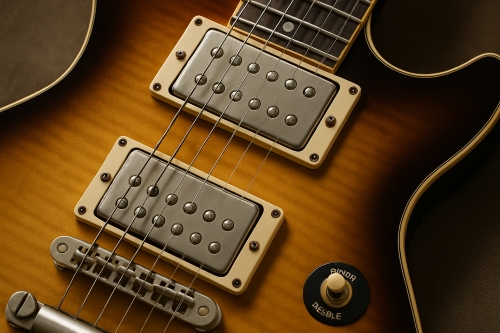
Alnico pickups date back many years. They are known for a warm sound and reliability. Electric guitars use them to capture the natural voice of string vibrations. With simple parts like magnets and coils, these pickups bring life to every note. You will learn about how they are built, their effect on sound, and why many musicians still prefer them.
Construction and Magnetic Properties of Alnico Pickups
Alnico stands for Aluminum, Nickel, and Cobalt. These metals blend together to create strong magnets. The magnets produce a steady field that stays reliable even during long performances. A common property of these magnets is that they hold their strength over time. For instance, even if a guitar gets warm during a show, the alnico magnet retains its field. This makes it ideal for live performances. The magnetic properties are a key reason why these pickups remain popular.
How Alnico Pickups Work in Electric Guitars
Electric guitars depend on magnetic pickups to convert string vibrations into sound. The process is simple. The string vibration disrupts the magnetic field around the magnet. This change causes the coils wrapped around the magnet to pick up a weak electrical signal. The signal then travels to an amplifier. Musicians like this process because it gives each string a natural, clear voice. The mechanism is simple, reliable, and has been used by many guitar makers for decades.
Types of Alnico Magnets Used in Pickups
There are several types of alnico magnets that find their way into pickups. Musicians often use Alnico II and Alnico V. Alnico II produces a mellower sound that fits well with jazz and blues. Alnico V, on the other hand, offers a punchier output that is appreciated by rock players. Some vintage pickups use Alnico III, known for its unique tonal character. Each type gives a slightly different response. Many players choose one type over another based on the sound they want from their guitar.
Impact on Tone, Output, and Performance
Tone is the heart of every pickup. Alnico pickups offer a warm and natural tone. Their soft magnetic nature means that high frequencies are clear without harshness. They provide a balanced output that fits a wide range of styles. For example, a player might use alnico pickups in a jazz guitar for smooth note transitions. In rock, the choice of Alnico V can give a richer, more dynamic sound. Data from sound tests show that these pickups maintain a consistent performance even after years of use.
Applications in Musical Instruments
Alnico pickups are most common in electric guitars. They are also found in bass guitars and other stringed instruments such as the electric mandolin. Many vintage instruments from the 1960s use these pickups, and they add an authentic character. In boutique guitar models, alnico pickups are a prized feature. The balance of tone and output makes them suitable for a range of musical genres. Repair technicians also favor them due to their longevity and steady performance. Musicians often mention that the warm voice of alnico pickups reminds them of a classic sound that never fades.
Conclusion
Alnico pickups have earned their place in musical history. They provide a warm, clear, and consistent sound. The blend of Aluminum, Nickel, and Cobalt creates a magnet that stands the test of time. Musicians have trusted them for decades to produce reliable tone and performance. Whether used in guitars, basses, or other instruments, alnico pickups continue to deliver a unique musical experience.
Frequently Asked Questions
F: What metals form an alnico magnet?
Q: Aluminum, Nickel, Cobalt, and Iron make up an alnico magnet.
F: Does an alnico pickup require high power?
Q: They work well with standard electric guitar setups and do not need high power.
F: Are alnico pickups used in other instruments?
Q: Yes, they are common in bass guitars and electric mandolins.
 Chin Trento