
 Products
 Bars
Bars
 Beads & Spheres
 Bolts & Nuts
 Crucibles
 Discs
Discs
 Fibers & Fabrics
 Films
Films
 Flake
Flake
 Foams
Foams
 Foil
Foil
 Granules
 Honeycombs
 Ink
Ink
 Laminate
 Lumps
Lumps
 Meshes
 Metallised Film
 Plate
Plate
 Powders
 Rod
Rod
 Single Crystals
 Sputtering Target
 Tubes
Tubes
 Washer
 Wires
Wires
 Converters & Calculators
 Write for Us



Why Demand for Silicon Carbide Wafers Is Soaring

Introduction to Silicon Carbide Wafers
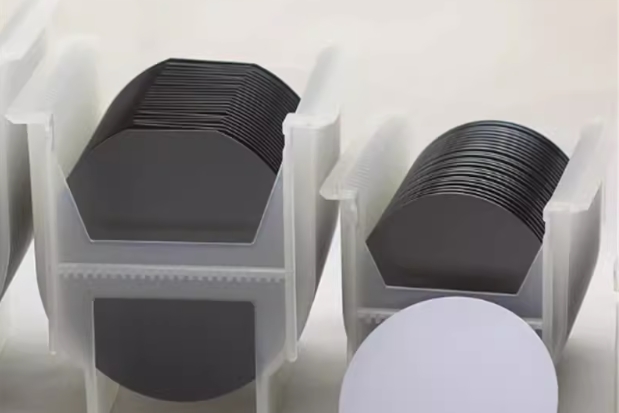
Silicon carbide wafers have been in use for many years. They come from a compound that is both hard and thermally stable. In power electronics and high-temperature applications, these wafers play a big role. Modern devices trust these wafers for reliable performance. They are lighter and more efficient than older materials. Many industries now prefer silicon carbide over traditional silicon.
Advantages of Silicon Carbide
One must consider the clear benefits of silicon carbide when comparing it to standard silicon. First, its thermal conductivity is high. This means it can manage heat much better. Electronic devices using these wafers run cooler. They do not wear out as quickly when temperatures rise.
Another key benefit is the high breakdown voltage. In simple words, devices built with silicon carbide can handle higher power without failing. For example, many power controllers rated at 1200 Volts use silicon carbide. Its efficiency in high-frequency operation stands out in everyday use. Some current systems use silicon carbide wafers to boost efficiency by up to 20 percent.
The robustness of silicon carbide also means that it performs well in harsh conditions. In many automotive and aerospace cases, where temperature swings are wide, silicon carbide wafers hold up reliably. Their stability reduces energy losses and increases overall device performance. With such solid characteristics, silicon carbide becomes the material of choice for many high-demand applications.
Applications Driving Silicon Carbide Demand
The increase in silicon carbide wafer usage is no surprise with the many fields they serve. Electric vehicles, for instance, now depend on these wafers. They power critical parts of the motor controllers and converters. Many car manufacturers now use silicon carbide technology to get better performance out of their batteries and inverters.
Power converters and solar inverters also benefit greatly. In solar energy systems, silicon carbide reduces energy loss during high conversion rates. In fact, installations in sunny regions have reported energy improvements of up to 15 percent. Data centers and telecommunication systems also gain from the low energy loss and high reliability.
Industries such as high-speed rail, industrial motors, and renewable energy plants have provided common examples of silicon carbide applications. Over the last few years, markets in Asia, Europe, and North America have seen technology upgrades that favor silicon carbide. Many companies convert to these wafers because they offer a longer life cycle and lower maintenance costs.
Technological Trends Boosting Silicon Carbide Adoption
A major reason behind the rising height of silicon carbide wafer demand is the trend of transferring from traditional silicon to silicon carbide in critical applications. Many engineers now choose silicon carbide as the material for next-generation power modules. In electric transport, modern converters built on these wafers achieve better torque control and efficiency.
The trend shows that companies are investing in updating fabrication lines to produce silicon carbide devices. Research labs, even those in academic circles, are experimenting with new methods to handle these wafers. In high-power electronic systems, the switch to silicon carbide offers small, cost-efficient designs that last longer. The improvement in semiconducting technology has pushed many industries to alter their techniques.
Simple changes in industrial practices are seen worldwide as technical experts come to trust silicon carbide. More affordable and efficient production methods now mean that more businesses can adopt these wafers. The modern drive toward energy efficiency and reduced carbon emissions plays a big part in this shift.
Further reading: Essential Electronic Materials: Part 2 - Silicon Carbide
Market Growth and Industry Dynamics
The industry has shown rapid growth in the demand for silicon carbide wafers. Recent market reports indicate steady growth over the past five years. Investments in electric vehicles and renewable energy push the figures to new heights. Many major semiconductor companies now include silicon carbide wafers in their product lines.
Small- and medium-sized enterprises are also joining the trend. They recognize that the long-term cost savings with silicon carbide far outweigh the initial investment. There is a strong move to use these wafers in industrial solutions, especially in harsh or energy-demanding settings. The market has become competitive, and many new players see potential in silicon carbide technology.
Government policies and environmental targets have also played a role in market dynamics. Incentives for low-emission technologies encourage the switch to high-efficiency materials. The supply chain is gradually adjusting to higher volumes of silicon carbide wafers. With steady growth, the benefits of silicon carbide help drive research and industrial applications alike.
Conclusion
The soaring demand for silicon carbide wafers is not a mystery. Their advantages in thermal conductivity, high breakdown voltage, and rugged design make them ideal for today’s power electronics. Simple applications in electric vehicles, solar energy systems, and industrial motors show how useful they are every day. Modern technical trends favor the shift to silicon carbide. Market dynamics and government policies support this demand through incentives and competitive pricing. For more advanced materials, please check Stanford Advanced Materials (SAM).
Frequently Asked Questions
F: Is silicon carbide more efficient than silicon?
Q: Yes. Silicon carbide carries more current and operates at higher temperatures with less energy loss.
F: Can silicon carbide handle high voltage?
Q: Yes. It supports high breakdown voltages and is ideal in power-conversion applications.
F: Are industries using more silicon carbide wafers each year?
Q: Yes. The growth of electric vehicles and renewable energy drives higher silicon carbide wafer adoption.
 Chin Trento