
 Products
 Bars
Bars
 Beads & Spheres
 Bolts & Nuts
 Crucibles
 Discs
Discs
 Fibers & Fabrics
 Films
Films
 Flake
Flake
 Foams
Foams
 Foil
Foil
 Granules
 Honeycombs
 Ink
Ink
 Laminate
 Lumps
Lumps
 Meshes
 Metallised Film
 Plate
Plate
 Powders
 Rod
Rod
 Single Crystals
 Sputtering Target
 Tubes
Tubes
 Washer
 Wires
Wires
 Converters & Calculators
 Write for Us



KTP Laser Treatment: An Overview

Introduction
The potassium titanyl phosphate laser treatment is an approach used in various medical fields. This treatment has grown in popularity due to its accuracy and reliability. Over time, adjusted wavelengths and controlled energy levels have helped physicians treat different conditions with minimal discomfort. Many clinics use this method for its precise targeting and minimal downtime. Patients often feel encouraged by the outcomes and safety record.
What Is The KTP Laser? (Potassium Titanyl Phosphate Laser)
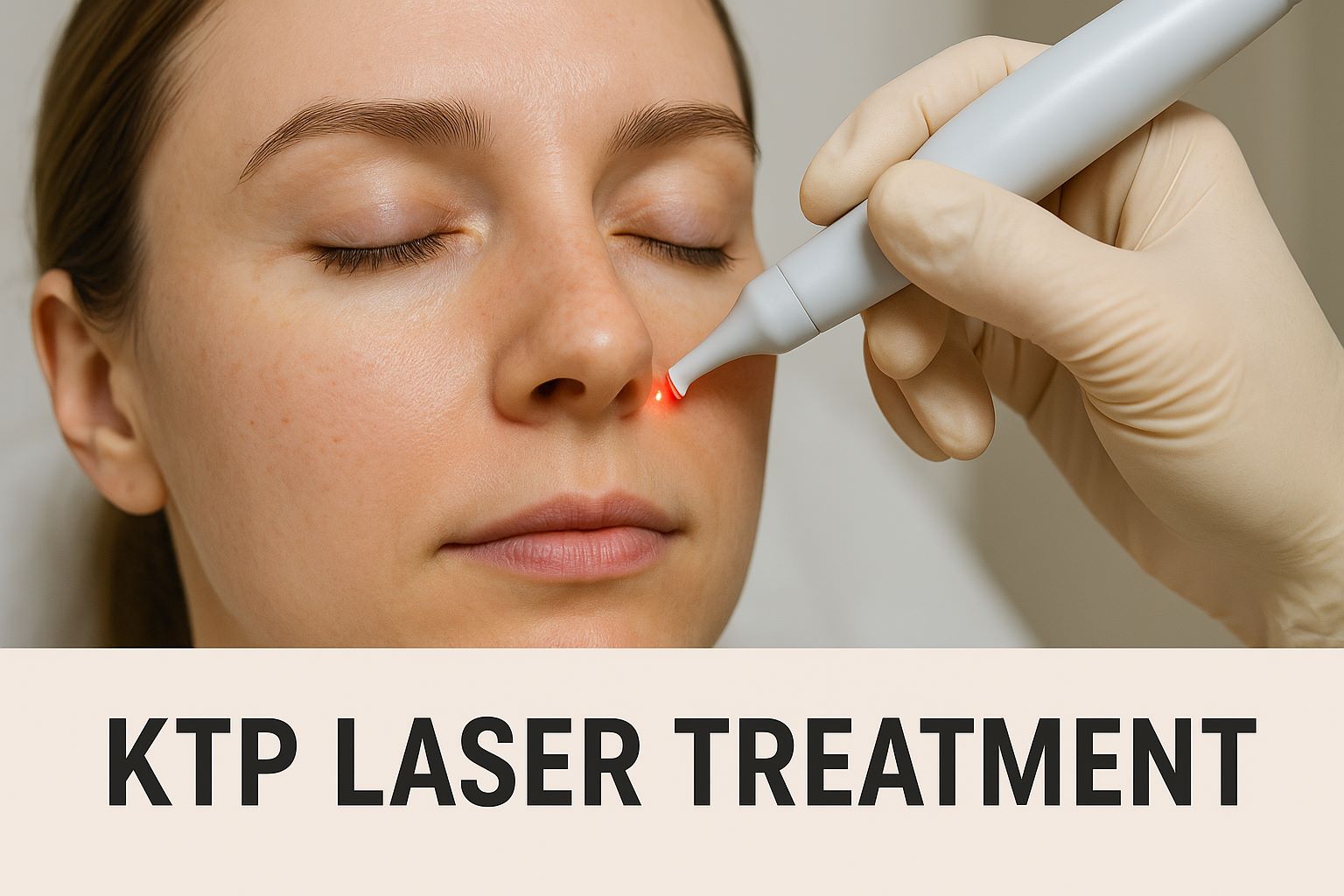
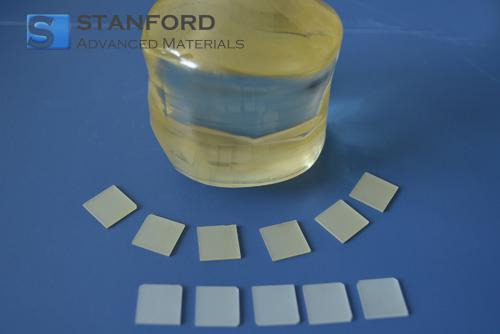
The potassium titanyl phosphate laser is a type of solid-state laser. It uses a crystal called potassium titanyl phosphate as its active medium. The energy is generated in the crystal and released as a laser beam. This beam is then directed in controlled pulses to treat targeted tissue. Its specific wavelength is important in reducing side effects while reaching the precise area.
This laser is found in otolaryngology, dermatology, and urology among many other fields. The primary benefit of this laser is its ability to work with minimal dispersion. In a clinical setting, patients receive treatment with reasonable safety. The procedure tends to lower the chance of damage to surrounding tissues. This gives physicians practical benefits when performing treatments with tight safety margins.
How KTP Lasers Work in Medical Applications
In a medical context, the potassium titanyl phosphate laser works by emitting a specific wavelength. This light energy is absorbed by certain tissues. The energy then causes controlled destruction of small blood vessels or surface lesions. The process helps in removing unwanted tissue while sparing healthy parts.
Clinical examples include treatment of benign vascular lesions in the skin, removal of certain types of warts, and even clearing blocked vessels in the vocal cords. In urology, the laser helps in removing small formations in the urinary tract. Doctors use hand-held devices to direct the beam precisely. Treatment settings are adjusted based on the patient’s condition and the desired outcome.
The energy produced by the laser causes targeted heating at the treated site. This heating effect reduces blood supply to the target area and induces a healing response. In some cases, the procedure is less invasive than conventional surgery. Many practitioners have noted shorter recovery periods with the potassium titanyl phosphate laser treatment compared to traditional methods.
The laser settings can be fine-tuned and calibrated. In many clinics, a list of parameters guides the choice of energy output. These factors include the power setting, pulse duration, and the treatment area. The adjustment of these parameters allows for high flexibility and control. There are clear protocols developed over time that help in avoiding side effects while ensuring effective treatment.
History and Development of KTP Laser Technology
The development of the potassium titanyl phosphate laser has taken several decades. Early designs sought to produce stable and efficient energy output. As research in physics and chemistry improved, better crystals and alignment methods were developed. In the initial stages, the applications were limited due to technical constraints.
Advances in semiconductor technology and optical engineering in recent times led to improved versions. The laser technology became more reliable as the tunable wavelengths allowed safer tissue interactions. Several clinical studies confirmed its advantages over older lasers. Physicians began to use this technology because of its precision and safety.
Over the years, modifications have also helped in minimizing complications. Every tweak in the system brought higher effectiveness for both cosmetic and therapeutic procedures. The history of the laser demonstrates progress in both science and medical practice. Today, the potassium titanyl phosphate laser stands among the trusted devices used in targeted treatment.
Conclusion
The potassium titanyl phosphate laser treatment has earned its place in modern medicine. The method has provided practitioners a tool that combines precision with a fine control of energy. Its targeted effect makes the treatment appealing for a range of conditions. The development of the technology over time shows a path of steady improvement. While the treatment remains a topic of active research, its current applications already offer a safe and effective choice for many procedures.
Patients and clinicians alike can have confidence in the safety record. The method produces quicker recovery times and minimal side effects when used correctly. As the medical field grows, the potassium titanyl phosphate laser will likely evolve to serve even more purposes.
Frequently Asked Questions
F: What is the main benefit of potassium titanyl phosphate laser treatment?
Q: It provides precise tissue targeting with minimal damage to surrounding areas.
F: Can the treatment be used in multiple medical specialties?
Q: Yes, it is used in dermatology, otolaryngology, and urology, among other fields.
F: Is the recovery time short after treatment?
Q: Yes, patients usually experience minimal downtime with this laser treatment.
 Chin Trento