Products
 Bars
Bars
 Beads & Spheres
 Bolts & Nuts
 Crucibles
 Discs
Discs
 Fibers & Fabrics
 Films
Films
 Flake
Flake
 Foams
Foams
 Foil
Foil
 Granules
 Honeycombs
 Ink
Ink
 Laminate
 Lumps
Lumps
 Meshes
 Metallised Film
 Plate
Plate
 Powders
 Rod
Rod
 Single Crystals
 Sputtering Target
 Tubes
Tubes
 Washer
 Wires
Wires
 Converters & Calculators
 Write for Us



ZnS Optical Windows for Infrared Imaging Systems

Introduction
In many scientific and industrial settings, infrared imaging plays an essential role. Infrared systems rely on optical windows that pass infrared light with low signal loss. Zinc sulfide has been used for decades in such systems. Its optical clarity and robustness make it a top choice.
Unique Material Properties of Zinc Sulfide
Zinc sulfide is known for its excellent infrared transmission. The material works well in the 8 to 12 micrometer range which is common in thermal imaging. It has a high refractive index and low dispersion. These features help in reducing spherical aberrations. Its durability is also a plus. Zinc sulfide resists corrosion and can handle high temperature changes. Laboratory tests show that its transmittance exceeds 70 percent for several IR wavelengths. This performance is maintained even in harsh environmental conditions.
The material has a long track record. It performs consistently in both indoor and outdoor applications. Its structure provides a balance between optical qualities and mechanical strength. The strong bonds in its crystal lattice account for this reliability. Over the years, field cases, such as military imaging systems and environmental sensors, have shown that zinc sulfide maintains clarity and resilience.
Manufacturing and Forms of ZnS Windows
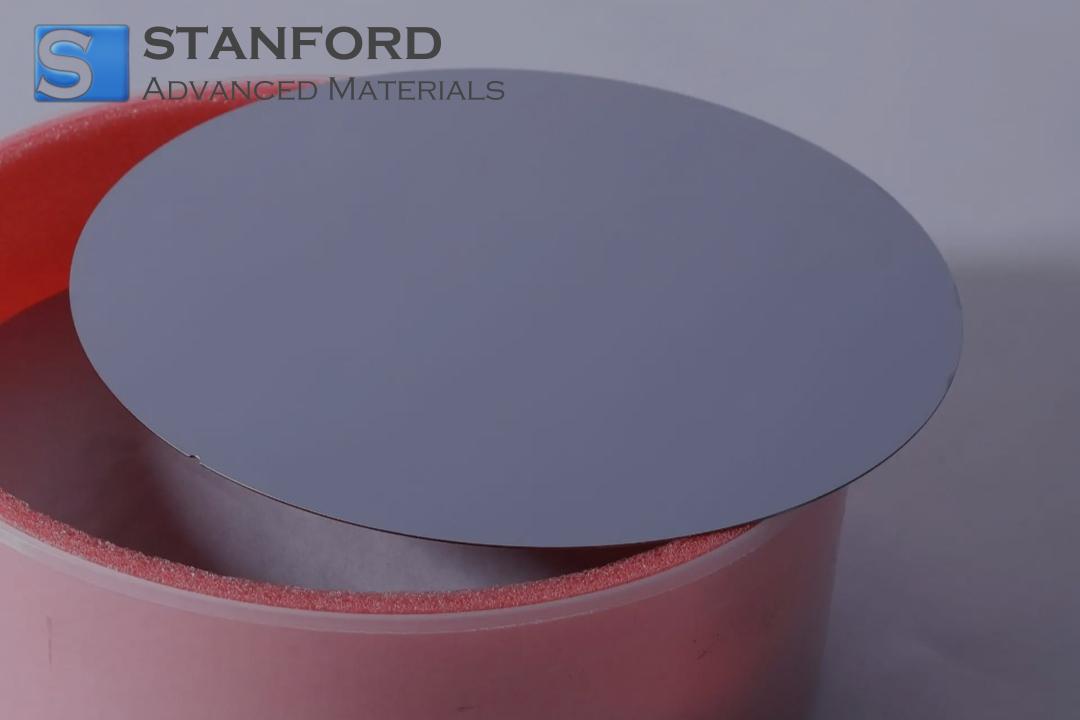
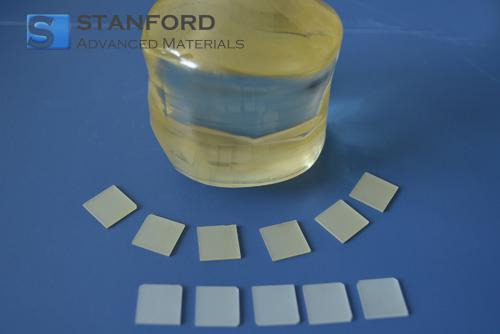
Zinc sulfide optical windows come in various forms. They are produced by sintering, hot pressing, and chemical vapor deposition. The sintering process leads to high optical clarity. Hot pressing provides dense and uniform results. Chemical vapor deposition is used when intricate shapes are needed.
The windows are polished to a high degree. The finishing process removes any surface imperfections. Few imperfections mean higher quality images for infrared cameras. In many cases, additional coatings are applied. These coatings help reduce reflection losses even further. Many manufacturers work with precise tolerances, ensuring that the windows meet the rigorous demands of infrared systems. The end products vary in thickness and diameter based on the intended application.
Applications in Infrared Imaging
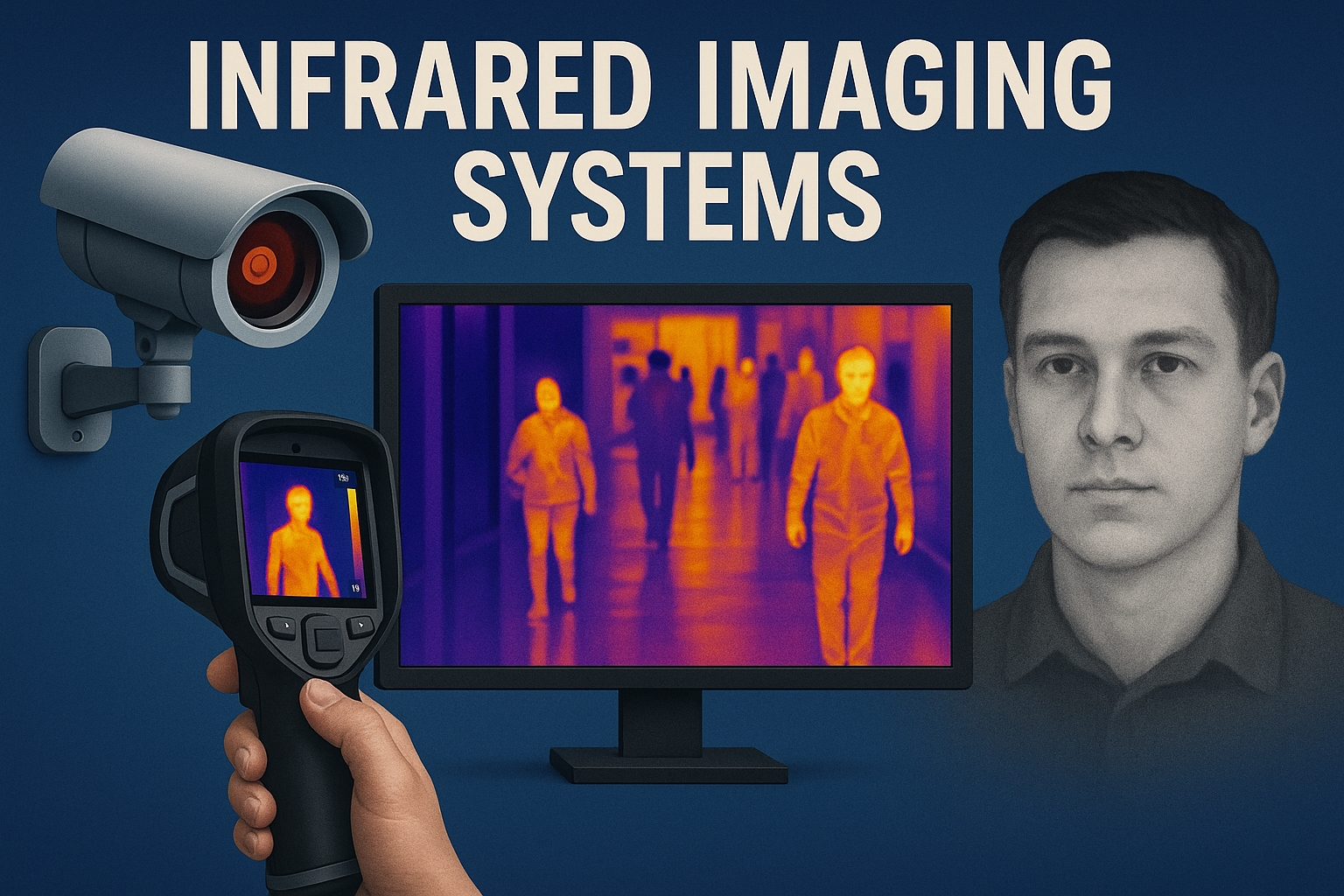
Zinc sulfide windows are found in several infrared imaging systems. Thermal imaging cameras in law enforcement and security use these windows. They are also common in military targeting systems. Aircraft sensors frequently use zinc sulfide because it handles the vibration and temperature extremes of flight. In industrial settings, zinc sulfide windows contribute to non-destructive testing where heat signatures indicate system flaws.
Every day, infrared imaging is applied in the energy and automotive industries. For instance, infrared scanners in electrical inspections rely on the window’s stability and high transmission quality. An increased use of zinc sulfide is evident in environmental monitoring devices. Its properties allow reliable performance even in outdoor, variable conditions.
How ZnS Stands Out Comparing with Other IR Window Materials
Many materials are considered for infrared windows. Germanium and silicon are frequent alternatives. Zinc sulfide, however, offers a cost advantage and ease of fabrication over germanium, which can be expensive and fragile. Silicon may require additional cooling systems to reduce thermal noise. Zinc sulfide uses minimal cooling in many cases.
Zinc sulfide also compares favorably in optical performance. Its high transmittance and strong mechanical properties lead to longer service life in field operations. Several practical tests have shown that zinc sulfide windows tend to have fewer power losses in signal transmission. This gives them an edge when the imaging system relies on high fidelity in detail. The material stands out by keeping manufacturing costs lower while delivering consistent performance.
Conclusion: Why ZnS Remains A Top Choice
Zinc sulfide optical windows remain popular. Their clear transmission, quick response in the infrared range, and robust physical properties have sustained their use in demanding fields. Years of practical applications have proved that the material handles the needs of modern imaging systems. The easy fabrication and lower manufacturing costs are benefits that make zinc sulfide a strong contender over substitutes. For more optical materials, please check Stanford Advanced Materials (SAM).
Frequently Asked Questions
F: What is the typical infrared range for zinc sulfide windows?
Q: The typical range is about 8 to 12 micrometers for thermal imaging.
F: Do zinc sulfide windows need extra cooling during use?
Q: Most applications run without additional cooling due to their stable thermal properties.
F: Is zinc sulfide durable for field applications?
Q: Yes, its high resistance to environmental stress makes it very durable.
 Chin Trento