
 Products
 Bars
Bars
 Beads & Spheres
 Bolts & Nuts
 Crucibles
 Discs
Discs
 Fibers & Fabrics
 Films
Films
 Flake
Flake
 Foams
Foams
 Foil
Foil
 Granules
 Honeycombs
 Ink
Ink
 Laminate
 Lumps
Lumps
 Meshes
 Metallised Film
 Plate
Plate
 Powders
 Rod
Rod
 Single Crystals
 Sputtering Target
 Tubes
Tubes
 Washer
 Wires
Wires
 Converters & Calculators
 Write for Us



What Do Hyaluronic Acid, Ceramides, and Panthenol Really Do for Your Skin Barrier?

1 Trend Insights: The Shift from "Active Mania" to Evidence-Based Formulation
Over the past decade, the skincare market has undergone a significant maturation. The era of "single-ingredient heroism"—where a product was judged solely by the percentage of retinol or vitamin C on its label—is giving way to a more sophisticated paradigm: Evidence-Based Formulation.
Today's consumers, particularly Gen Z and Millennials, are highly educated. They are not merely reading ingredient lists; they are cross-referencing them with clinical studies in PubMed, scrutinizing the distinction between "medical-grade" and "cosmeceutical," and demanding transparency in both formulation science and clinical validation. According to the American Academy of Dermatology (AAD), the rising prevalence of compromised skin barriers—exacerbated by the overuse of active ingredients and environmental stressors—has shifted the focus from aggressive anti-aging to barrier resilience.
According to a 2024 multinational survey published in the <Journal of Cosmetic Dermatology>, the top three skincare concerns among consumers worldwide are, in order: skin barrier health (38%), hydration (29%), and sensitivity/redness (22%). These three key concerns align precisely with the three fundamental dimensions of functional skincare: repair, hydration, and soothing.
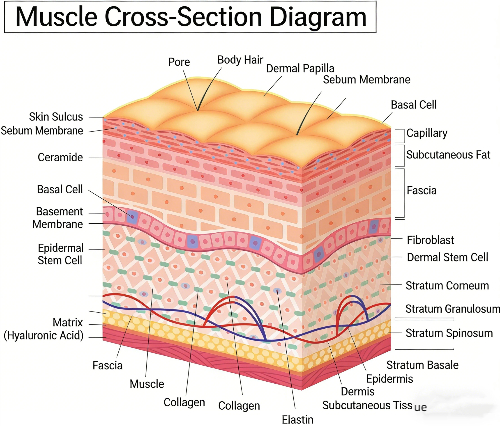
Fig. 1 Skin Barrier
In the pursuit of synergistic skincare, three ingredients have emerged as "cornerstone" choices in global formulation systems, thanks to their well-defined mechanisms of action, robust clinical data, and cross-cultural consumer recognition:
1. Hyaluronic Acid (HA) — The Universal Language of Hydration
Hyaluronic acid is the most widely recognized moisturizing ingredient globally and is commonly abbreviated "HA". Its value lies in a three-dimensional molecular-weight-based hydration network: high-molecular-weight HA provides immediate film-forming hydration, low-molecular-weight HA delivers deep hydration, and oligomeric HA acts as a signaling modulator. Different regions emphasize different applications of HA—the Asian market favors high-concentration, multi-molecular-weight blends for "glow-effect" formulations. In contrast, European and American markets place greater emphasis on synergy with barrier lipids to prevent the "reverse water loss" that high-concentration HA may cause in dry environments.
2. Ceramides — The Global Technological Frontier in Barrier Repair
Ceramides constitute the largest component (approximately 40–50%) of the intercellular lipids in the skin's stratum corneum, and their supplementation has become a standard feature in global repair products. However, the primary technical hurdle lies in the physiological lipid ratio—only when ceramides, cholesterol, and free fatty acids are combined in specific molar ratios (e.g., 1:1:1 or 3:1:1) can they form the appropriate liquid crystal structure and achieve genuine barrier repair. The principle was first proposed by the American scholar Elias and has since become a core component of global formulation education. In Europe, due to regulatory restrictions on "animal-derived" ingredients, plant-based and fermented ceramides are preferred; in China, with the implementation of the "Guidelines for the Evaluation of Cosmetic Efficacy Claims," ceramide products must provide human efficacy test data, further raising industry standards.
3. Panthenol (Vitamin B5) — The Link Between "Repair" and "Soothing"
Panthenol is globally recognized as the epitome of "soothing and repair." Its mechanism of action is dual: upon entering the skin, it converts to pantothenic acid, participates in coenzyme A synthesis, and promotes fibroblast proliferation and epidermal regeneration; simultaneously, by inhibiting the NF-κB pathway, it downregulates the expression of pro-inflammatory factors (such as IL-1α and IL-6), thereby achieving anti-inflammatory and soothing effects. Across global markets, the applications of panthenol are remarkably consistent—from European pharmacy brands (such as La Roche-Posay's B5 series) and U.S. medical aesthetics post-procedure recovery products to Chinese sensitive skin care brands (such as Vinona)—panthenol consistently appears as the core ingredient for "soothing damaged skin." Its cross-cultural acceptance makes it one of the few ingredients in global formulations that requires "no localization adjustments."
In this context, the industry is moving away from the "kitchen sink" formulation approach (mixing high concentrations of various actives) towards a physiology-first philosophy. The key insight is simple yet profound: Skin is a complex biological system, not a test tube. Effective skincare must work with the skin's natural biology, not against it.
2 In-Depth Analysis: Mechanisms and Applications of Three Key Ingredients
2.1 Hyaluronic Acid (HA): From "Basic Moisturizing" to "Layered, Targeted Hydration"
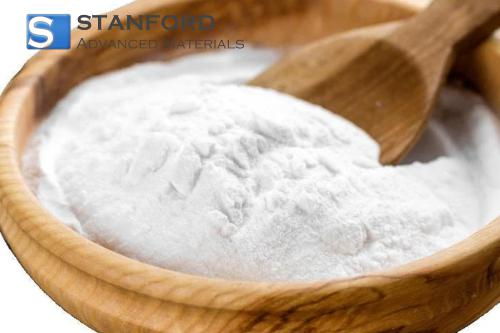
Hyaluronic acid (HA) is a homogeneous, repeating linear glycosaminoglycan composed of 2,000 to 25,000 disaccharide units of N-acetylglucosamine and glucuronic acid linked alternately via β-1,3 and β-1,4 glycosidic bonds. Hyaluronic acid from different sources varies significantly in molecular weight, ranging from (8–500) × 10^5. It appears as an odorless, tasteless, amorphous, white, fibrous, or powdery solid. It possesses strong hygroscopic and moisturizing properties and dissolves slowly and completely in water to form a viscous, slightly milky white or colorless solution. It is insoluble in organic solvents such as formaldehyde, alcohol, acetone, and chloroform. An aqueous solution of hyaluronic acid is acidic and turns blue when reacted with Alizarin Blue or Methylene Blue.
In the 1950s, Karl Meyer's laboratory elucidated the chemical structure of hyaluronic acid. Hyaluronic acid is a high-molecular-weight polymer, a complex polysaccharide composed of D-glucuronic acid and N-acetylglucosamine units. D-glucuronic acid and N-acetylglucosamine are linked by β-1,3-glycosidic bonds, while disaccharide units are linked by β-1,4-glycosidic bonds. There can be as many as 25,000 disaccharide units. In the body, the molecular weight of hyaluronic acid ranges from 5,000 to 20 million Daltons. HA with different molecular weights exhibits fundamental differences in their sites of action and mechanisms within the skin; these differences form the scientific basis for precise, layered hydration.
Molecular formula: (C14H21NO11)n
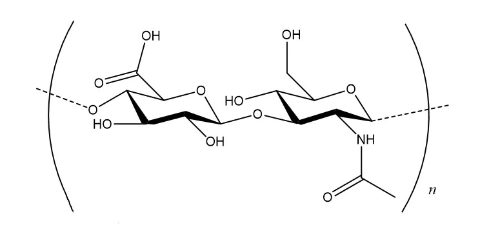
Fig. 2 Hyaluronic Acid
|
Molecular Weight Range |
Level of Action |
Core Mechanism |
Typical Functions |
|
(>1000 kDa) |
The surface of the stratum corneum |
Forms a breathable, hydrating film on the skin's surface that locks in moisture through a network of hydrogen bonds while providing an immediate protective barrier |
Instant hydration, a soft and smooth feel, and reduced transepidermal water loss (TEWL) |
|
Low- to medium-molecular-weight HA (50–400 kDa) |
From the stratum corneum to the granular layer |
It penetrates the superficial layers of the epidermis, filling the spaces between keratinocytes and maintaining the hydration gradient of the stratum corneum. |
Long-lasting hydration; helps relieve dry, flaky skin |
|
(10–50 kDa) |
Deep layers of the epidermis (spinous layer, basal layer) |
Activates the CD44 receptor and promotes endogenous HA synthesis; participates in keratinocyte proliferation and migration |
Deep hydration promotes skin renewal |
Analysis of Key Mechanisms:
The primary function of high-molecular-weight hyaluronic acid (HMW-HA) is physical in nature. Its large molecular structure prevents it from penetrating the stratum corneum, but the film it forms on the skin's surface provides excellent moisturizing and barrier-enhancing properties. Studies have shown that HMW-HA can also positively modulate barrier function by interacting with the CD44 receptor on keratinocytes, thereby slightly upregulating the expression of the tight junction protein claudin-1.
Low-molecular-weight hyaluronic acid (LMW-HA) exhibits greater biological activity. It activates CD44 receptors on keratinocytes and fibroblasts, triggering the MAPK/ERK signaling pathway and promoting cell proliferation and migration. This mechanism confers clear benefits for wound healing and epidermal regeneration. However, it is important to note that LMW-HA (particularly highly degraded fragments) may trigger pro-inflammatory responses at certain concentrations (via the TLR-2 and TLR-4 pathways). Therefore, the molecular weight distribution and dosage must be strictly controlled in formulations to avoid inflammatory reactions caused by "oversignaling."
Oligomeric HA (o-HA) has emerged as a major research focus in the global functional skincare sector in recent years. Its extremely low molecular weight gives it the potential to penetrate the skin, allowing it to act on fibroblasts in the dermis and stimulate the synthesis of endogenous HA. This "self-generating" hydration mechanism opens up new possibilities for the application of HA beyond mere exogenous hydration.
Application: Blending hyaluronic acid (HA) with different molecular weights to form a three-dimensional moisturizing network
The concept of formulations using hyaluronic acid with a single molecular weight has gradually been phased out by the industry. Leading global skincare brands—ranging from La Mer and SkinCeuticals to brands under China's Huaxi Biologics—have widely adopted a "multi-molecular-weight blend" strategy to achieve targeted delivery from the epidermis to the dermis.
The logic behind the construction of a three-dimensional moisturizing network:
(The following percentages refer to the proportion of each HA type within the total HA content of the formulation, not the overall formula.)
|
Layer |
HA Type |
Function Formulation |
Recommendations |
|
Surface Layer |
High-Molecular-Weight HA |
Provides immediate hydration, forming a "water film" to instantly improve skin texture |
Comprises 30–50% of the formulation, delivering a silky, non-sticky initial feel |
|
Mid-Layer |
Medium- to low-molecular-weight HA |
Maintains the hydration gradient in the stratum corneum, providing long-lasting hydration for 4–8 hours |
Comprises 40–50% of the formulation, forming the primary hydration support |
|
Deep Layer |
Low-Molecular-Weight HA / Oligomeric HA |
Activates endogenous HA synthesis, promotes cell renewal, and achieves "self-sustaining" hydration |
Comprises 5–20% of the formulation, serves a signaling regulatory function; dosage control is essential |
An issue widely discussed among formulators but less well-known to consumers is that high-concentration hyaluronic acid (HA) formulations may exhibit a "reverse water absorption" phenomenon in extremely dry environments (such as desert climates, air-conditioned rooms in winter, or airplane cabins), commonly referred to as "reverse absorption" or "drying out."
This occurs because hyaluronic acid's moisturizing mechanism relies on its ability to form hydrogen bonds with water. When the ambient relative humidity (RH) falls below the skin's moisture content (typically around 60–70% RH), and if the formulation lacks sufficient occlusive ingredients to prevent water from diffusing into the environment, the moisture adsorbed by HA molecules may be "drawn out" into the dry air, causing the skin to feel tight and dry.
Through precise molecular weight grading and formulation, formulators can build a multidimensional hydration network that extends from the epidermis to the dermis; by understanding and mitigating the risk of "reverse absorption," they can ensure that the product delivers on its hydration promise under any climatic conditions. Amid the global trend toward "barrier repair," the role of hyaluronic acid (HA) is shifting from "simple hydration" to "building a multidimensional hydration environment"—the latter being a prerequisite for ceramides and panthenol to deliver their optimal efficacy. For formulators seeking high-purity, multi-molecular-weight HA grades for such precision systems, Stanford Advanced Materials (SAM) offers customized solutions backed by strict quality control.
2.2 Ceramides: From "Single-Ingredient Addition" to "Restoration of Physiological Lipid Ratios"
If hyaluronic acid addresses the skin's "hydration," then ceramides address its "physical structure." As the most abundant component of intercellular lipids in the stratum corneum (accounting for approximately 40–50%), ceramides are the key molecules responsible for maintaining the skin's barrier function. However, a growing consensus in the global skincare industry is that simply adding ceramides does not equate to barrier repair—the key lies in restoring the physiological ratio and liquid crystal structure of intercellular lipids.
Ceramides are a class of amide compounds formed by the dehydration of the amine group of sphingosine with long-chain fatty acids; the main types include ceramide phosphatidylcholine and ceramide phosphatidylethanolamine. Phospholipids are the primary components of cell membranes, and 40% to 50% of the lipids in the stratum corneum consist of ceramides. Ceramides are a major component of the intercellular matrix and play a crucial role in maintaining the moisture balance of the stratum corneum. Ceramides possess a strong ability to bind water molecules; they maintain skin hydration by forming a network-like structure within the stratum corneum. Therefore, ceramides help retain moisture in the skin.
Ceramides (Cers) are present in all eukaryotic cells and play a crucial regulatory role in cellular activities such as differentiation, proliferation, apoptosis, and aging. As a major component of the intercellular lipids in the skin's stratum corneum, ceramides not only act as second messenger molecules in the sphingolipid pathway but also play a crucial role in the formation of the epidermal stratum corneum. They help maintain the skin barrier, provide hydration, combat aging, brighten the skin, and aid in the treatment of various conditions.
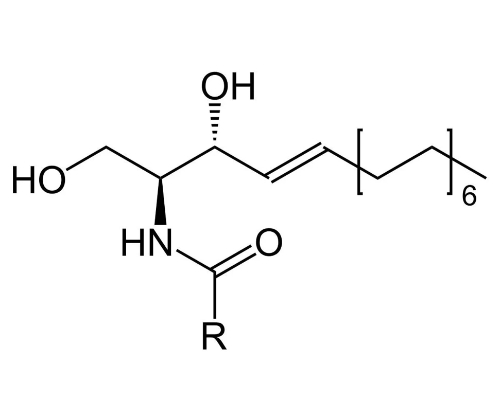
Fig. 3 Ceramides
Twelve subtypes have been identified in the human stratum corneum (e.g., ceramides NP, AP, EOP, etc.), which differ in the structure of their sphingosine base and fatty acid chain. Different subtypes play distinct roles in barrier function: Barrier repair products have evolved from simple ceramide addition to physiological lipid ratio reconstruction, blending ceramides, cholesterol, and free fatty acids at molar ratios of 1:1:1 or 3:1:1.
The Importance of Physiological Lipid Ratios—Insights from the Elias Model:
In the 1980s, a team led by American dermatologist Peter M. Elias revealed the "molar ratio code" of intercellular lipids through a series of seminal studies. The research found that when ceramides, cholesterol, and free fatty acids are combined in an equimolar ratio (1:1:1) or a 3:1:1 ratio, they can self-assemble in vitro to form a liquid crystal structure identical to that of the natural stratum corneum. Conversely, if any one component is in excess or deficient, the resulting lipid structure is defective and unable to effectively restore barrier function.
This discovery has fundamentally transformed the formulation logic of barrier-repairing products—shifting from simply "adding ceramides" to "reconstructing physiological lipid ratios."
The technological evolution of barrier-repairing products worldwide clearly reflects a progression from "ceramide supplementation" to "lipid ratio formulation."
First Generation: Single Ceramide Addition
Formulation Logic: Adding one or more ceramides (typically NP) to the product
Issue: Lack of synergy with cholesterol and free fatty acids results in an incomplete lipid structure, leading to limited barrier repair efficacy
Second Generation: Ceramide + Cholesterol + Fatty Acid Blend
Formulation Logic: Blending the three lipid components in physiological ratios (1:1:1 or 3:1:1)
Advantages: Capable of self-assembling into a liquid crystal structure, mimicking natural intercellular lipids, and significantly enhancing barrier repair efficiency
Representative Brand: CeraVe (utilizes MVE multi-vesicle technology for sustained release of ceramides, cholesterol, and fatty acids)
Third Generation: Liquid Crystal Emulsion Technology and Liposome Technology
Formulation Logic: The lipid blend is processed using specialized techniques to create a liquid crystal emulsion or liposomes, further mimicking the skin's natural lipid structure
Advantages: Improves ceramide stability, enhances skin feel, and boosts transdermal absorption
Representative Brands: Skinfix (Barrier Repair Series), Dr. Jart+ (Ceramidin Series)
Ceramides present two key challenges in formulations: stability and skin feel. These two factors directly determine a product's shelf performance and consumer acceptance.
Challenge 1: Crystallization and Precipitation
Ceramides are highly hydrophobic molecules that tend to crystallize at room temperature. When ceramides in a formulation are not fully dissolved or stably dispersed, crystallization and precipitation (manifesting as white granules or needle-like crystals) may occur over time or with temperature changes. This not only affects the product's appearance but may also reduce its bioavailability.
Challenge 2: Heavy Texture and Consumer Acceptance
Products formulated with high concentrations of ceramides and lipid blends often have a high oil content, which can result in a sticky, heavy texture that is difficult to apply. This issue is particularly sensitive in the Asian market, where consumers prefer a lightweight skincare experience.
Challenge 3: Efficacy Evaluation and Compliance with Claims
In different markets around the world, efficacy claims for ceramide products are subject to varying degrees of regulatory restrictions:
|
Market |
Regulatory Requirements |
|
EU (EC 2009/1223) |
Safety Assessment (CPSR) + Product Information File (PIF); human testing not mandatory |
|
United States (FDA) |
The line between cosmetics and OTC products is blurred; claims such as "repairs damaged barriers" may trigger OTC monograph requirements |
|
China (NMPA) |
Must pass human efficacy evaluation tests and provide data on transepidermal water loss (TEWL), stratum corneum moisture content, etc. |
|
Japan |
Quasi-drugs require approval; claims for general cosmetics are restricted |
The value of ceramides lies not in "addition," but in "reconstruction." Only when they are blended with cholesterol and free fatty acids in physiological proportions, and their stable delivery is achieved through liquid crystal emulsification or inclusion complex technology, can they truly mimic the skin's natural barrier structure. Against the backdrop of "barrier health" emerging as a core trend in the global market, the sophistication of ceramide formulation technology is becoming the key dividing line between professional and mainstream brands. SAM supports this evolution with high-purity ceramide reference standards and lipid raw materials, enabling formulators to achieve precise physiological ratios.
Once hyaluronic acid has established a hydrated environment and ceramides have reshaped the physical structure, the third key player—panthenol—takes on the role of maintaining internal homeostasis and calm. Next, we will explore how panthenol bridges the gap between "soothing" and "promoting repair."
2.3 Panthenol (Vitamin B5): The Key Link Between "Repair" and "Soothing"
In maintaining healthy skin, hyaluronic acid creates a hydrated environment, ceramides reinforce the skin's physical structure, and panthenol plays a key role in connecting the two and infusing them with "vitality." Panthenol is a small-molecule compound found in all living cells. Its unique dual mechanism—pro-regenerative and anti-inflammatory—makes it an indispensable "all-rounder" in a wide range of formulations, from basic moisturizers to post-procedure recovery products. Unlike hyaluronic acid and ceramides, panthenol does not directly participate in the skin's structural composition; instead, it acts as a "biomodulator" that coordinates the skin's own repair mechanisms. This characteristic gives it an irreplaceable position in the global skincare market.
Panthenol (D-Panthenol) is an alcohol precursor of vitamin B5 (pantothenic acid). The core of its mechanism of action lies in the fact that, once panthenol penetrates the skin, it is rapidly converted by enzymes into pantothenic acid, which participates in the synthesis of coenzyme A (CoA), thereby activating a series of pathways related to cellular energy metabolism and tissue repair.
Fig. 4 Panthenol (Vitamin B5)
This conversion process endows panthenol with two interrelated yet distinct functions: promoting tissue regeneration and regulating inflammatory responses.
Mechanism 1: Activating Fibroblasts to Accelerate Tissue Regeneration
Pantothenic acid is an essential precursor to coenzyme A (CoA), which serves as a key cofactor in cellular energy metabolism (the citric acid cycle) and fatty acid synthesis. When the skin is damaged, the demand for energy and building blocks (such as fatty acids) increases dramatically. By supplementing with panthenol, the skin can:
1. Promote fibroblast proliferation: Fibroblasts are the primary cells in the dermis responsible for producing collagen, elastic fibers, and the extracellular matrix. Studies indicate that pantothenic acid significantly increases the number and activity of fibroblasts, accelerating the regeneration of damaged tissue.
2. Accelerate re-epithelialization: In the epidermis, panthenol stimulates the migration and division of keratinocytes, promoting the coverage of defect areas by epithelial cells from the wound margins and shortening the healing cycle.
3. Increase collagen deposition: By providing energy and raw materials for collagen synthesis, panthenol helps restore the structural integrity of the dermis.
Clinical Evidence: In a study on post-laser surgery repair, a formulation containing 5% panthenol reduced epidermal regeneration time by approximately 30% and significantly lowered the postoperative erythema index.
Mechanism 2: Inhibition of the NF-κB pathway and downregulation of pro-inflammatory factors
The anti-inflammatory effects of panthenol have been confirmed by numerous studies. Its mechanism primarily involves the inhibition of the nuclear factor κB (NF-κB) pathway. NF-κB is a central regulator of the inflammatory response. When activated, it triggers the expression of various pro-inflammatory cytokines, including:
IL-1α, IL-1β: Initiate inflammatory cascade reactions and induce the release of other inflammatory mediators
IL-6: Promotes the recruitment and activation of inflammatory cells
TNF-α: Induces cell apoptosis and exacerbates tissue damage
PGE2 (Prostaglandin E2): Triggers local inflammatory symptoms such as redness, swelling, and pain
By inhibiting the phosphorylation of IκB kinase, panthenol prevents NF-κB from entering the cell nucleus to initiate the transcription of inflammatory genes, thereby effectively reducing the levels of the aforementioned inflammatory factors. This mechanism makes panthenol particularly valuable in the following scenarios:
Sensitive skin: Reduces the skin's reactivity to irritants, minimizing redness and stinging
Post-aesthetic procedures: Suppresses acute inflammatory reactions triggered by treatments such as laser and microneedling
During use of high-concentration active ingredients (retinoids, acids): Alleviates irritation caused by accelerated skin renewal
Noteworthy dose-response relationship:
The effects of panthenol are concentration-dependent. Studies indicate that 0.5–2% provides basic hydration and mild soothing, 2–5% offers clear anti-inflammatory and repair benefits, and 5–10% is used for post-procedure repair, though it may affect skin feel and stability.
In the global clinical market, panthenol is a core ingredient in post-procedure recovery products. Whether through laser, chemical peels, microneedling, or radiofrequency treatments, these procedures create controlled "micro-injuries" on the skin's surface, triggering an inflammatory response and the healing process. Panthenol offers three key benefits in this context: Immediate soothing—inhibiting the release of inflammatory mediators to reduce post-procedure redness, swelling, and a burning sensation; Accelerated healing—by promoting re-epithelialization, it shortens the recovery period from the typical 5–7 days to 3–5 days; Reduced risk of complications—it minimizes the likelihood of post-inflammatory hyperpigmentation (PIH) and infection. Among leading global products, La Roche-Posay B5 Repair Cream, with its 5% panthenol and lipid complex, has become the benchmark in the post-procedure repair market; while Skinceuticals B5 Hydrating Gel, centered on panthenol and hyaluronic acid, addresses both daily moisturization and post-procedure repair needs.
In Asian markets (particularly China and South Korea), sensitive skin care is the fastest-growing segment. Thanks to its low irritation, proven anti-inflammatory effects, and excellent compatibility with ceramides and hyaluronic acid, panthenol has become an essential ingredient in sensitive skin product lines. From a formulation perspective, the combination of "panthenol + ceramides + cholesterol" repairs the physical barrier while soothing the inflammatory response caused by barrier damage; while the "panthenol + hyaluronic acid" combination establishes a dual moisturizing system offering "immediate soothing + long-lasting hydration." Typical products include China's Vinona Sensitive Skin Moisturizing Intensive Cream, which blends panthenol with extracts from Yunnan's distinctive plants (Schisandra chinensis and purslane); and South Korea's Dr. Jart+ Centella Soothing Series, which synergizes panthenol with centella asiatica glycosides to enhance anti-inflammatory and repair effects. In global trends for functional skincare formulations, panthenol also serves as a "buffer" for high-concentration active ingredients—when combined with retinol, it alleviates retinol reactions; when combined with alpha-hydroxy acids (AHAs) or salicylic acid, it neutralizes acidic irritation; and when combined with vitamin C, it helps stabilize vitamin C and reduce potential irritation. It is recommended to add panthenol during the cooling phase after emulsification (below 45°C), with optimal stability in the pH range of 4.0–7.0.
The benefits of panthenol extend far beyond facial care; it is widely used in hair care and body care products across global markets. In hair care products, panthenol forms a moisturizing film on the hair surface, enhancing shine and smoothness while protecting the scalp barrier; it is particularly suitable for post-coloring and post-perming repair products. In body lotions and hand creams, panthenol offers dual benefits of long-lasting hydration and anti-inflammatory properties for dry, rough, or eczema-prone skin, making it a versatile ingredient across various product categories.
Panthenol acts as a bridge between hyaluronic acid and ceramides: while hyaluronic acid provides moisture and ceramides reinforce the skin barrier, panthenol ensures that these restorative processes are not disrupted by ongoing inflammatory responses.
3 Synergistic Effects: The "Golden Triangle" Formula of Hyaluronic Acid, Ceramides, and Panthenol
The "golden triangle" combination of hyaluronic acid, ceramides, and panthenol forms a functionally complementary, clearly stratified closed-loop system in skin physiology. Hyaluronic acid is responsible for creating a hydrated environment—providing the necessary moisture foundation for lipid metabolism and the formation of the liquid crystal structure in the stratum corneum. Studies have shown that when the water content of the stratum corneum falls below 10%, the activity of ceramide synthase decreases significantly; Ceramides, when combined with cholesterol and free fatty acids in specific molar ratios (1:1:1 or 3:1:1), reconstruct the "brick-and-mortar structure" of intercellular lipids in the stratum corneum, physically sealing gaps in the skin barrier; Panthenol, acting as a bio-modulator, converts into pantothenic acid to activate fibroblast proliferation and re-epithelialization, while simultaneously downregulating the expression of pro-inflammatory factors (IL-1α, IL-6, TNF-α) by inhibiting the NF-κB pathway, thereby quelling inflammatory responses. These three components form a self-reinforcing positive feedback loop: HA provides a hydrated environment that allows ceramides to effectively form a liquid crystal structure; ceramides reinforce the physical barrier to reduce inflammation triggered by external stimuli; and panthenol alleviates inflammation, creating a stable environment for the sustained action of HA and ceramides.
|
Ingredient |
Core Function |
Target Layer |
Synergistic Role |
|
Hyaluronic Acid (HA) |
Hydration, creation of a hydrating environment |
Stratum corneum → Superficial dermis |
Provider of the "construction environment" |
|
Ceramides |
Physical barrier repair |
Intercellular lipids in the stratum corneum |
Rebuilder of the "wall structure" |
|
Panthenol |
Anti-inflammatory, promotes regeneration |
Epidermis → Dermis |
Coordinator of "construction management" |
In terms of synergistic interactions, the combination of these three ingredients also offers specific synergistic benefits: the synergy between hyaluronic acid and panthenol creates a layered skin feel characterized by "hydration first, then nourishment," while the small-molecule panthenol slightly enhances the permeability of the stratum corneum, helping low-molecular-weight hyaluronic acid penetrate deeper into the epidermis; The synergy between ceramides and panthenol forms a "physical + immune" dual barrier—ceramides repair structural defects, while panthenol regulates inflammatory responses; together, they address both the "structural issues" and "inflammatory issues" associated with a compromised barrier; The synergy between hyaluronic acid and ceramides mimics the skin's natural oil-water balance through "water-based hydration + oil-based sealing," reducing transepidermal water loss on both hydration and structural levels. In formulation practice, the synergy of the "Golden Triangle" is not merely a simple combination of ingredients, but requires systematic design based on the product form and target audience: water-based products (serums/sprays) use multi-molecular-weight HA as the core, supplemented with panthenol to enhance soothing effects; Cream-based products, on the other hand, feature a physiological lipid system composed of ceramides, cholesterol, and fatty acids as the core, combined with HA and panthenol to achieve a three-dimensional effect of "locking in moisture externally, repairing internally, and soothing at the base."
Global market performance has further validated the synergistic value of the "Golden Triangle": La Roche-Posay B5 Repair Cream, formulated with 5% panthenol and a lipid complex (including ceramides), has become a benchmark in the field of post-procedure repair. Its core strength lies in the dual protection provided by panthenol's anti-inflammatory and repair-promoting properties and ceramides' barrier-rebuilding effects, creating a "physical + immune" dual defense mechanism; The CeraVe Moisturizing Repair Series focuses on the physiological lipid ratio of ceramides, cholesterol, and fatty acids (1:1:1), combined with hyaluronic acid and MVE multivesicle technology to achieve a gradient release of barrier-repairing ingredients; In Asian markets, products such as Vinona's Sensitive Skin Moisturizing Cream and Dr. Jart+'s Centella Soothing Series build upon the Golden Triangle framework by incorporating local plant extracts (goji berry, purslane, and centella asiatica glycosides), forming a differentiation strategy that combines "international scientific frameworks with regional specialty ingredients." For formulators, the true value of the Golden Triangle lies not in simply "using these three ingredients," but in understanding how they work synergistically, how to optimize their ratios based on different dosage forms and target demographics, and how to strike a balance between global regulatory requirements and consumer preferences.
At Stanford Advanced Materials (SAM), we understand that evidence-based formulation starts with high-quality raw materials. From multi-molecular-weight hyaluronic acid to ceramide reference standards and cosmetic-grade panthenol, our portfolio supports R&D teams worldwide in building the next generation of barrier-repair products.
[1]Essendoubi M. et al., Skin penetration and anti-aging effect of different molecular weight hyaluronic acid, International Journal of Cosmetic Science, 2023.
[2]Farwick M. et al., Low molecular weight hyaluronic acid induces epidermal proliferation via CD44 activation, Journal of Dermatological Science, 2021.
[3]Elias P.M., Stratum corneum defensive functions: an integrated view, Journal of Investigative Dermatology, 2005.
[4]Mao-Qiang M. et al., Exogenous lipids influence permeability barrier recovery in murine skin, Journal of Lipid Research, 1995.
[5]Ebner F. et al., Topical use of dexpanthenol in skin disorders, American Journal of Clinical Dermatology, 2002.
[6]Proksch E. et al., Dexpanthenol enhances skin barrier repair and reduces inflammation after sodium lauryl sulfate-induced irritation, Journal of Dermatological Treatment, 2017.
 Dr. Samuel R. Matthews