
 Products
 Bars
Bars
 Beads & Spheres
 Bolts & Nuts
 Crucibles
 Discs
Discs
 Fibers & Fabrics
 Films
Films
 Flake
Flake
 Foams
Foams
 Foil
Foil
 Granules
 Honeycombs
 Ink
Ink
 Laminate
 Lumps
Lumps
 Meshes
 Metallised Film
 Plate
Plate
 Powders
 Rod
Rod
 Single Crystals
 Sputtering Target
 Tubes
Tubes
 Washer
 Wires
Wires
 Converters & Calculators
 Write for Us



Precious Metal Lists: An Overview

What Are Precious Metals?
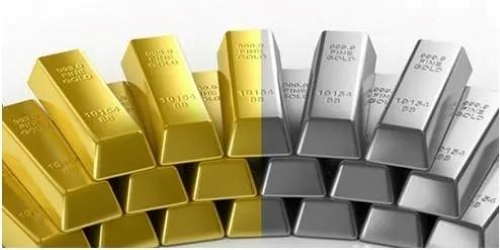
Precious metals are rare, naturally occurring metallic elements with high economic value. They include palladium, platinum, gold, silver, rhodium, iridium, and other members of the platinum group metals (PGMs). These metals are highly prized for their unique physical and chemical properties, such as resistance to corrosion, excellent conductivity, and catalytic abilities.
Palladium and platinum, members of the platinum group metals (PGMs), are highly prized for their catalytic properties, corrosion resistance, and conductivity. They are indispensable in industries ranging from automotive to electronics and jewelry.
Precious Metal Demand
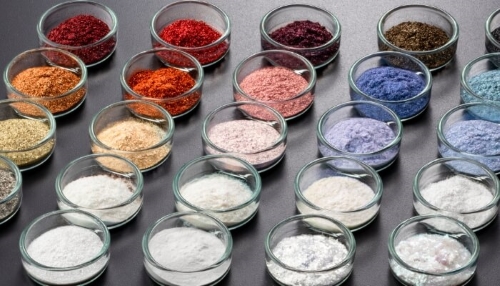
The demand for palladium and platinum is driven by their unique properties and industrial applications:
- Palladium: Over 80% of the global palladium supply is used in catalytic converters, which help reduce vehicle emissions. With tightening environmental regulations, palladium prices have surged, reaching highs of over $2,500 per ounce in recent years.
- Platinum: While also used in catalytic converters, platinum has a broader industrial demand. It is essential in fuel cells, medical equipment, and hydrogen production. Platinum prices have fluctuated, averaging between $900 and $1,200 per ounce.
- Investment Appeal: Both metals are considered valuable investment assets, often used as a hedge against economic uncertainty.
Precious Metal Recycling
Recycling plays a crucial role in maintaining the supply of palladium and platinum, as mining is both costly and environmentally challenging. Key sources of recycled PGMs include:
- Automotive Catalysts: Spent catalytic converters are the most significant source of recycled palladium and platinum. A single converter can contain up to 2-7 grams of these metals.
- Electronics: Hard drives, circuit boards, and industrial equipment contain small amounts of palladium and platinum that can be reclaimed.
- Jewelry & Industrial Waste: Old jewelry and manufacturing scrap provide additional recycling sources, helping to meet industrial demands while reducing reliance on mining.
Types of Precious Metals and Their Uses
Precious metals are rare, naturally occurring metallic elements with high economic value. While they are often associated with jewelry and investment, they also have critical industrial applications due to their unique properties such as conductivity, corrosion resistance, and catalytic activity.
1. Gold (Au)
- Electronics: Used in connectors, circuit boards, and microprocessors due to its excellent conductivity and resistance to oxidation.
- Aerospace: Applied in spacecraft and satellite components because of its ability to withstand extreme conditions.
- Medical Devices: Found in pacemakers, dental fillings, and diagnostic equipment.
2. Silver (Ag)
- Electronics: Used in conductors, switches, and batteries due to its high electrical conductivity.
- Photovoltaics: Essential in solar panels for efficient energy conversion.
- Medical Applications: Incorporated into antibacterial coatings for surgical tools, wound dressings, and catheters.
3. Platinum (Pt)
- Catalysts: Used in catalytic converters for vehicles to reduce harmful emissions.
- Medical Industry: Utilized in pacemakers, dental implants, and chemotherapy drugs.
- Electronics: Found in hard drives and thermocouples due to its stability under high temperatures.
4. Palladium (Pd)
- Automotive Industry: Key component in catalytic converters to lower emissions.
- Electronics: Used in multilayer ceramic capacitors (MLCCs) for smartphones and laptops.
- Hydrogen Storage: Plays a role in fuel cell technology for clean energy applications.
5. Rhodium (Rh)
- Catalysis: Used in automotive catalytic converters for reducing nitrogen oxide emissions.
- Glass Manufacturing: Applied in the production of high-quality optical and industrial glass.
- Electronics: Used in electrical contacts for its corrosion resistance.
6. Iridium (Ir)
- Aerospace: Utilized in spark plugs for aircraft and spacecraft components.
- Medical Applications: Found in cancer treatment devices and stents.
- Electronics: Used in high-performance electrodes.
7. Ruthenium (Ru)
- Electronics: Used in resistors and computer hard drives.
- Catalysis: Helps in chemical processes, including ammonia production.
- Wear-Resistant Coatings: Applied in electrical contacts and chip resistors.
8. Osmium (Os)
- Medical and Industrial Alloys: Used in pacemakers, fountain pen nibs, and specialized cutting tools.
- Chemical Industry: Acts as a catalyst in certain organic synthesis reactions.
- Here’s a summary table of the precious metals and their industrial uses:
Summary Table: Industrial Uses of Precious Metals
|
Precious Metal |
Industrial Uses |
|
Gold (Au) |
Electronics (connectors, circuit boards), Aerospace (spacecraft components), Medical Devices (pacemakers, dental fillings, diagnostic equipment) |
|
Silver (Ag) |
Electronics (conductors, switches, batteries), Photovoltaics (solar panels), Medical Applications (antibacterial coatings, surgical tools, wound dressings, catheters) |
|
Catalysts (automotive catalytic converters), Medical Industry (pacemakers, dental implants, chemotherapy drugs), Electronics (hard drives, thermocouples) |
|
|
Automotive Industry (catalytic converters), Electronics (MLCCs for smartphones, laptops), Hydrogen Storage (fuel cell technology) |
|
|
Rhodium (Rh) |
Catalysis (automotive catalytic converters), Glass Manufacturing (optical/industrial glass), Electronics (electrical contacts) |
|
Iridium (Ir) |
Aerospace (spark plugs, aircraft components), Medical Applications (cancer treatment devices, stents), Electronics (high-performance electrodes) |
|
Ruthenium (Ru) |
Electronics (resistors, computer hard drives), Catalysis (ammonia production), Wear-Resistant Coatings (electrical contacts, chip resistors) |
|
Osmium (Os) |
Medical/Industrial Alloys (pacemakers, fountain pens, cutting tools), Chemical Industry (catalysis in organic synthesis) |
Conclusion
Precious metals play a vital role beyond their traditional use in jewelry and investment. Their exceptional conductivity, corrosion resistance, and catalytic properties make them indispensable in industries such as electronics, automotive, aerospace, and medicine. From gold’s reliability in microprocessors to palladium’s contribution to clean energy, these rare metals drive technological advancements and innovation.
As demand for high-performance materials continues to grow, precious metals will remain essential for both industrial and scientific applications, shaping the future of modern technology. For more information, please check Stanford Advanced Materials (SAM).



 Chin Trento