
 Products
 Bars
Bars
 Beads & Spheres
 Bolts & Nuts
 Crucibles
 Discs
Discs
 Fibers & Fabrics
 Films
Films
 Flake
Flake
 Foams
Foams
 Foil
Foil
 Granules
 Honeycombs
 Ink
Ink
 Laminate
 Lumps
Lumps
 Meshes
 Metallised Film
 Plate
Plate
 Powders
 Rod
Rod
 Single Crystals
 Sputtering Target
 Tubes
Tubes
 Washer
 Wires
Wires
 Converters & Calculators
 Write for Us



ASTM D4236: Safety Labeling in Art Materials

Art supplies are used by people of all ages: professional artists and art teachers to students in kindergarten. Though these products may seem harmless to many customers and users over the years, many art supplies have chemical components that could cause health risks when used incorrectly and for prolonged periods. This is where ASTM D4236 becomes very important.
The Role of Safety Data Sheets (SDS) in Art Material Safety
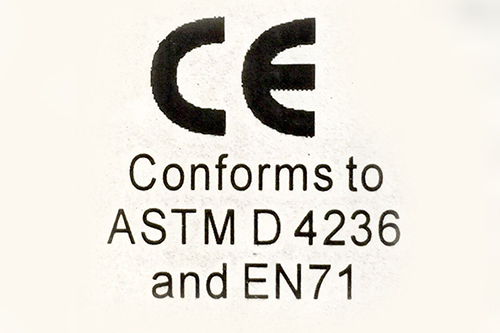
Developed through ASTM International, ASTM D4236 serves as a United States safety standard that aims to ensure that all artistic materials are properly identified regarding possible health hazards. In this safety standard, health hazards are identified through the transparent disclosure of possible chronic health hazards associated with many products, rather than forbidding their use altogether. In many respects, ASTM D4236 serves as a tool that allows artists, teachers, parents, and institutions to make informed choices through safe practices.
A Safety Data Sheet, or SDS, is a primary source document for managing chemical safety. The document contains information about a product's composition, hazard, instructions, and procedures for emergency measures. In art materials, for instance, a Safety Data Sheet is essentially the scientific part of communication concerning safety.
In accordance with ASTM D4236, manufacturers are expected to include information about whether their SDS has identified potential risks of health effects fromchronic exposure, such as toxic, respiratory, or organ damage. This must then accompany the warning or material on the actual product packaging.
Common Dangers Identified under ASTM D4236
While acute hazards present immediate danger and damage the health instantly, chronic health hazards occur as a result of multiple or protracted contacts. ASTM D4236 emphasizes such chronic health hazards more as a potential danger that is not easily recognized.
Art materials may include pigments, binders, solvents, or additives that provide chronic health hazards such as:
• Respiratory Issues
A fine dust generated by the use of pastels, powdered pigments, or spraying may enter the lungs and cause pulmonary irritation or impairment.
• Skin Irritation
Skin contact with some paint, resin, or solvent can sometimes cause the development of dermatitis, allergies, or sensitive skin.
• Toxicity
Certain materials, such as heavy metal pigments or solvents, can have neurological, reproductive, or organ-related toxicity following extended exposures or accidental ingestion.
It is assumed by ASTM D4236 that not all users will be harmed by the products they buy. However, it makes sure that any dangers are clearly revealed.
Reducing Risks with Effective Labeling
One of the most significant benefits of ASTM D4236 standards comes with labeling, which must be clear and focus on hazards. Labels are the first line of defense, especially if one never reviews an SDS, no matter which one they are using.
If art materials are well identified, artists only need to take simple precautions such as ensuring good ventilation, wearing gloves, or reducing contact time. Art teachers will also benefit because they will know how to choose suitable material for the pupils' ages. Art teachers will follow safe art practices in class.
The ASTM D4236 requires that certain safety information, related to ingredients associated with chronic health risks, appear on art supply product labels if those ingredients are present within a product. These product labels need to read clearly, be visible, and be easily comprehended even by a non-specialist.
Key labelling elements are:
• Hazard Disclosure Statements
Explicit labeling, as in "Contains materials that may cause chronic health effects," where appropriate.
• Precautionary Instructions
Instructions related to safe use, be it ventilation, personal protection, or hygiene.
• Target Audience Restrictions
Specific statements about whether it is unsuitable for children or specific age groups.
• ASTM D4236 Compliance Mentioned
Often, compliant products boast of having tested the products for content by a toxicologist under ASTM D4236 procedures.
Compliance & Best Practices
Companies that aim to meet ASTM D4236 specifications usually begin with these necessary steps:
- Toxicological Evaluation
The products should be analyzed for any chronic health risks by a professional toxicologist.
2. Accurate Label Development
The label is made from the SDS information to inform.
3. Ongoing Reviews & Updates
The developments in formulation and regulation necessitate changes at intervals for adherence.
The users of art materials can also minimize risks by:
• Careful reading of label instructions before use
• Referring to the SDS for more safety data
• Adhering to recommended protective
• Adhering to proper ventilation and sanitation principles
Table: Common Art Materials and Related Health Hazards
|
Art Material |
Potential Chronic Health Hazards |
Safety Measures |
|
Acrylic Paints |
Respiratory irritation |
Use in well-ventilated areas |
|
Oil Paints |
Skin sensitization |
Wear gloves during use |
|
Solvents |
Neurological effects |
Use with protective masks |
|
Pastels |
Dust inhalation |
Use dust masks and work in ventilated spaces |
|
Printmaking Inks |
Reproductive toxicity |
Follow handling instructions carefully |
Frequently Asked Questions
What is the purpose of ASTM D4236?
It provides assurance that art materials are assessed for their chronic health hazards and appropriately labeled.
In what ways does an SDS assist with ASTM D4236 compliance?
The SDS is providing scientific hazard information that is then used to make accurate and correct labeling.
Is there a complete list of art materials that are covered under ASTM D4236
Yes, the producers of artistic materials offered for sale in the U.S. are required to meet the requirements of ASTM D4236.




 Chin Trento