
 Products
 Bars
Bars
 Beads & Spheres
 Bolts & Nuts
 Crucibles
 Discs
Discs
 Fibers & Fabrics
 Films
Films
 Flake
Flake
 Foams
Foams
 Foil
Foil
 Granules
 Honeycombs
 Ink
Ink
 Laminate
 Lumps
Lumps
 Meshes
 Metallised Film
 Plate
Plate
 Powders
 Rod
Rod
 Single Crystals
 Sputtering Target
 Tubes
Tubes
 Washer
 Wires
Wires
 Converters & Calculators
 Write for Us



Phosphorus: Element Properties and Uses

Description
Phosphorus is an extremely reactive element that is essential for life with extreme chemical and physical properties. It has important applications in industries.
Introduction to the Element
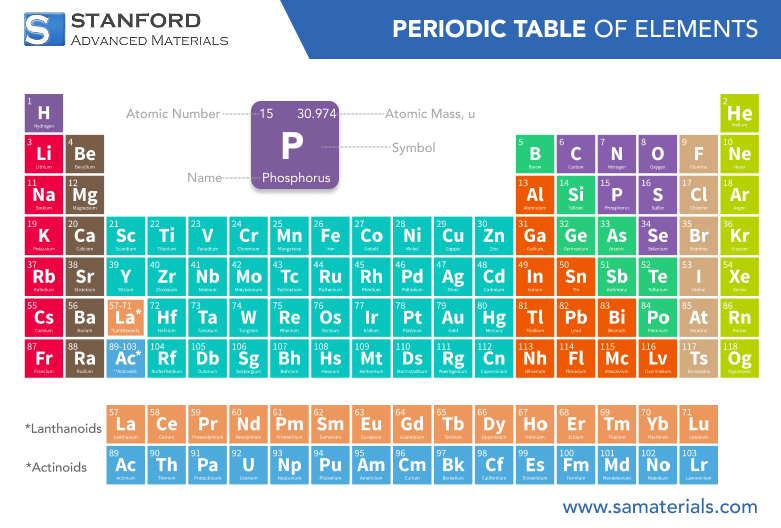
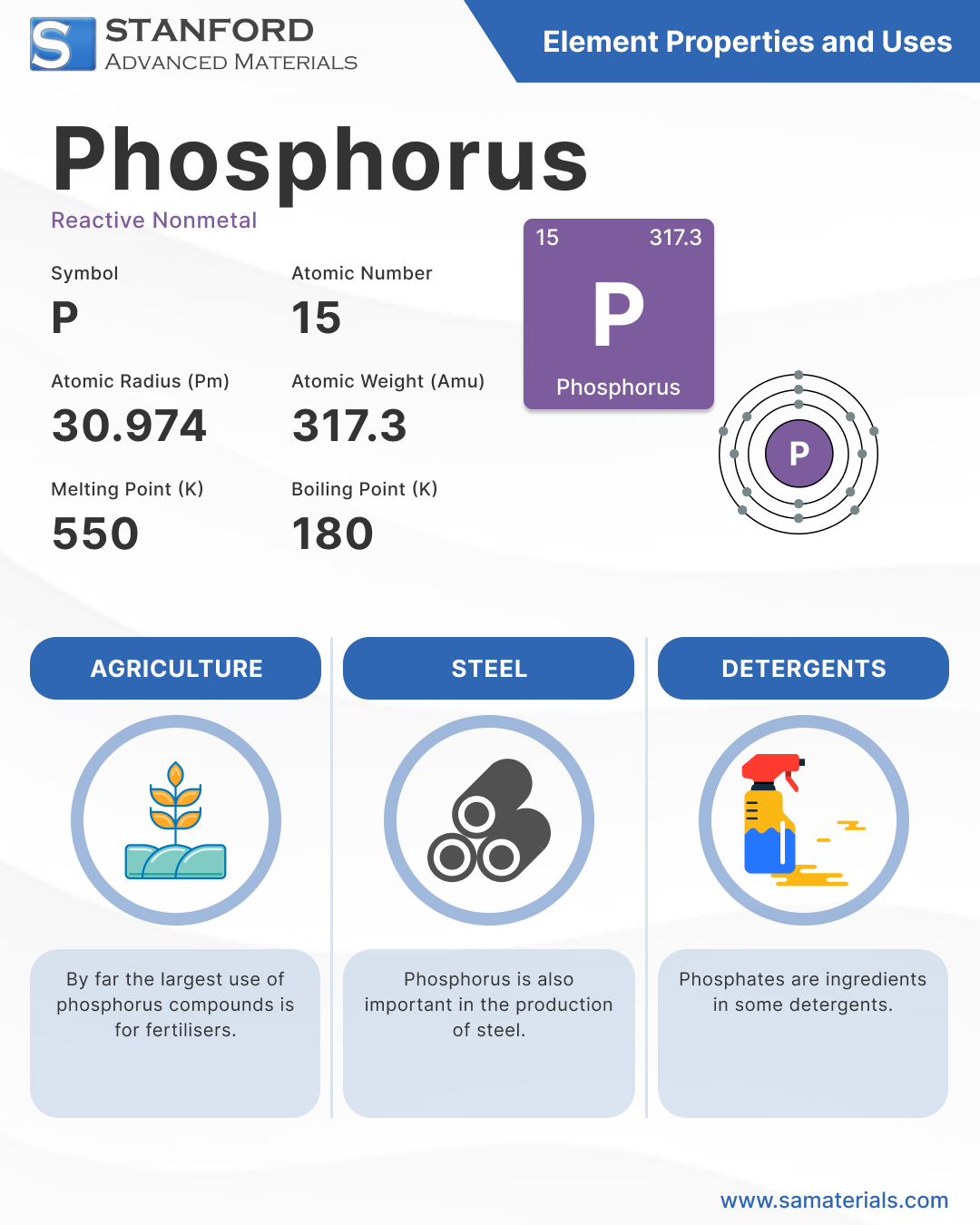
Phosphorus is a non-metal element with symbol P and atomic number 15. It is a vital component of all forms of life and is very central to the biochemistry of DNA, RNA, and ATP. Phosphorus is found naturally in phosphate rocks, which are mined to be utilized for business purposes. Phosphorus is needed for plant growth and is a primary nutrient in fertilizers.
Chemical Properties Description
Phosphorus exists in a variety of allotropes that have distinct chemical properties. The most familiar allotropes are white phosphorus, red phosphorus, and black phosphorus.
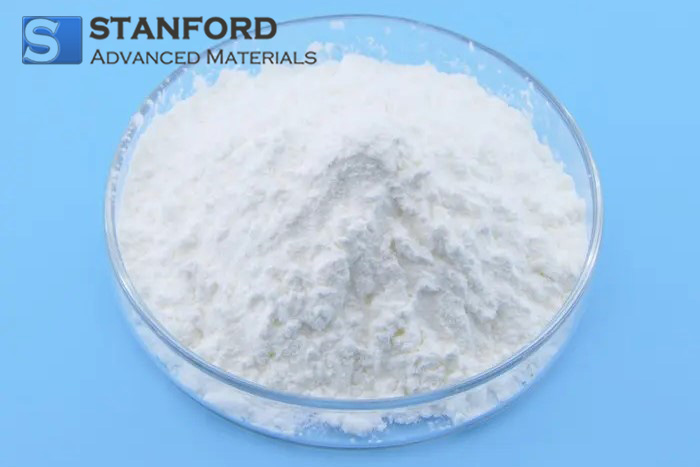
White Phosphorus: Extremely reactive and toxic, it ignites spontaneously in air to give phosphorus pentoxide (P₂O₅). It is used in the production of fertilizers and chemicals.
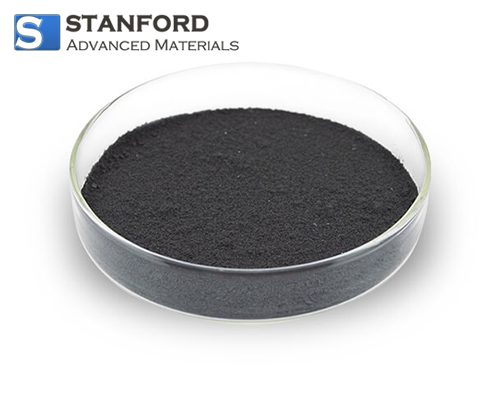
Red Phosphorus: Less reactive compared to white phosphorus, red phosphorus is used in the production of safety matches, fireworks, and flame retardants.
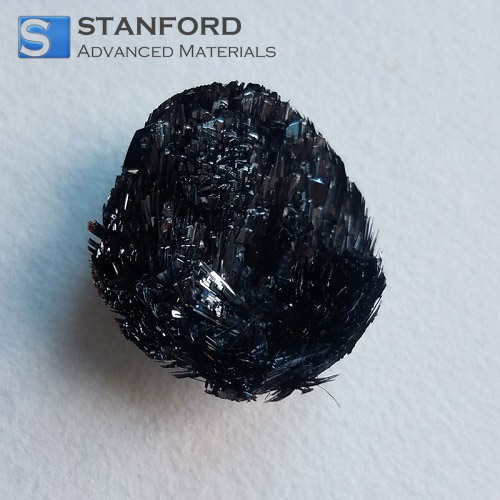
Black Phosphorus: The allotrope has semi-metallic characteristics and is used in the production of electronic materials.
Phosphorus compounds, such as phosphates, are used in a range of applications across a wide variety of uses, including their use in agriculture and water treatment.
Physical Properties Data Table
|
Property |
Value |
|
Atomic Number |
15 |
|
Atomic Mass |
30.974 u |
|
Density (white phosphorus) |
1.82 g/cm³ |
|
Melting Point (white phosphorus) |
44.1°C |
|
Boiling Point (white phosphorus) |
280°C |
|
Density (red phosphorus) |
2.34 g/cm³ |
|
Melting Point (red phosphorus) |
590°C |
|
Boiling Point (red phosphorus) |
Sublimes at 400°C |
Common Uses
Phosphorus is used in a wide variety of industrial processes, including:
Agriculture: Phosphorus is a critical component in fertilizers, promoting plant growth.
Chemicals: It serves as a precursor in the production of phosphoric acid, which is used in detergents, fertilizers, and food additives.
Safety Matches: Red phosphorus is found in the striking surface of safety matches.
Metal Alloys: Phosphorus is used in producing phosphor bronze, which is a metal alloy that is durable and corrosion-resistant.
Food Additives: Phosphates are added to food products in order to give texture, flavor, and freshness.
Preparation Methods
Phosphorus is usually obtained from phosphate rock through the process of thermal reduction, where phosphate rock is heated with carbon at a high temperature to produce phosphorus gas, which is subsequently converted into various forms.
Another method of obtaining phosphorus is through the reaction of phosphoric acid and calcium hydroxide in heat. The outcome is a mixture of water and calcium phosphate, which can be further treated in order to produce different allotropes of phosphorus.
Industrial Products Associated
Phosphorus is contained in numerous industrial products:
Fertilizers: Phosphates derived from phosphorus constitute a key ingredient when producing fertilizers.
Flame Retardants: Phosphorus compounds are used to generate flame retardants for plastics and fabrics.
Water Treatment: Phosphates are used to treat water so that scales are not formed.
Detergents: Phosphoric acid and its derivatives are used in the production of detergents and cleaning solutions.
Frequently Asked Questions
What is phosphorus used for?
Phosphorus is basically used in fertilizers, chemicals, and industry like flame retardants, detergents, and food additives.
How is phosphorus obtained?
Phosphorus is usually derived from phosphate rock through thermal reduction, with carbon being used to heat the rock to produce phosphorus gas.
Is phosphorus toxic?
White phosphorus is highly toxic and dangerous, especially when it comes into contact with skin or air. It has to be handled very carefully.
What are the different allotropes of phosphorus?
There are several allotropes of phosphorus, including white, red, and black phosphorus, with varying chemical as well as physical properties.
Why is phosphorus essential to plants?
Phosphorus is essential to plant growth because it's a basic component of DNA, RNA, and ATP, which are involved in cellular energy and reproduction.
 Chin Trento