Products
 Bars
Bars
 Beads & Spheres
 Bolts & Nuts
 Crucibles
 Discs
Discs
 Fibers & Fabrics
 Films
Films
 Flake
Flake
 Foams
Foams
 Foil
Foil
 Granules
 Honeycombs
 Ink
Ink
 Laminate
 Lumps
Lumps
 Meshes
 Metallised Film
 Plate
Plate
 Powders
 Rod
Rod
 Single Crystals
 Sputtering Target
 Tubes
Tubes
 Washer
 Wires
Wires
 Converters & Calculators
 Write for Us



5 Game-Changing Materials for Efficient Energy Storage

Description
Find out five groundbreaking materials transforming the way we store energy. Here we explain the advantages and drawbacks of each material in simple terms, with commentary from an expert voice in chemistry and engineering.
Graphene
Graphene is a form of carbon that is celebrated for its extremely thin, single-atom layer and high conductivity. Graphene is promising as an energy storage material because it can improve the performance of batteries and capacitors. Its electrical conductivity allows for the fast movement of charges, which can result in faster discharging and charging. Graphene is also very strong and flexible, and it can be used to make energy storage devices that are both durable and light. Research keeps showing that the inclusion of graphene in energy storage devices can create devices with longer lifespans that can operate in more extreme conditions.
Lithium-Sulfur Batteries
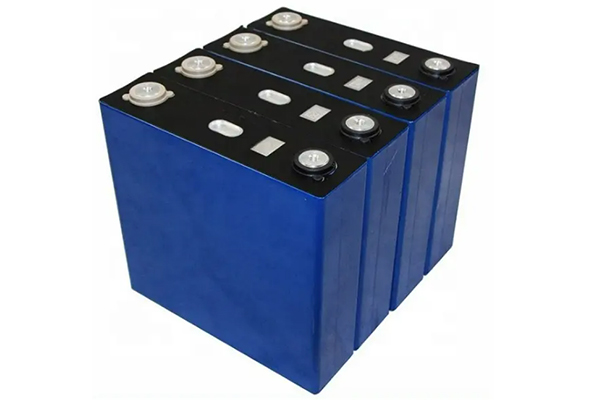
Lithium-sulfur (Li-S) batteries have become a strong contender against traditional lithium-ion architectures. The reason for this excitement is that they have the possibility to hold more energy and be lighter in weight. One of the important characteristics of Li-S batteries is that they use sulfur as a material for the cathode, and sulfur is inexpensive and plentiful. For all of these advantages, lithium-sulfur batteries also have their drawbacks like the formation of unwanted byproducts that tend to degrade their performance over time. Scientists are working to overcome these obstacles by improving the chemistry and design of these batteries. Li-S batteries, once perfected, will be capable of powering everything from mobile devices to electric vehicles more efficiently.
Solid-State Electrolytes
Solid-state electrolytes will revolutionize energy storage as they take the place of the liquid electrolyte found in conventional batteries. With a solid material, the batteries are safer as there is much less risk of leaks and fires. Solid-state batteries also promise a longer lifespan and improved energy density. The challenge to solid-state electrolytes has been finding materials that allow ions to move through them as easily as they do in liquids. Researchers are exploring several ceramics and polymers to determine the most viable ones. As the materials keep improving, solid-state electrolytes will enable energy storage that is safer, more reliable, and cheaper.
Phase Change Materials
Phase change materials (PCMs) are another novel technique of energy storage. PCMs store energy in the form of heat, on the basis of melting and freezing phenomenon. A PCM takes in lots of energy as it melts and gives back the energy as it freezes. This renders them highly appropriate for uses such as building thermal control and electronic temperature control. One of the advantages of PCMs is that they can operate over a wide range of temperatures and store energy without complicated systems. The integration of PCMs into everyday energy systems requires careful engineering to allow the phase changes in temperature to occur reliably in a controlled fashion.
Metal-Air Batteries
Metal-air batteries represent some of the most viable developments in energy storage. These batteries use oxygen from the air as one of the reactants, which can significantly reduce their weight and cost. Metal-air batteries can have high energy densities with metals like zinc or aluminum as the anode. As oxygen is a plentiful resource, these batteries are not only cost-effective but also environmentally friendly. Despite these benefits, metal-air batteries are still in the research phase due to difficulties like byproduct formation during the reaction and how to maintain stable performance over many cycles. Engineers are optimistic, however, that ongoing research will translate into practical, high-performance metal-air batteries in the not-too-distant future. For more information, please check Stanford Advanced Materials (SAM).
Frequently Asked Questions
F: Why is graphene a good material for energy storage?
Q: Graphene is conductive, strong, and pliable, which could lead to faster charging and more resilient energy storage devices.
F: What is it about solid-state electrolytes that makes batteries safer?
Q: They eliminate the risk of liquid leakage and reduce the risk of fires by using solid materials instead of flammable liquids.
F: Why are metal-air batteries more eco-friendly?
Q: Metal-air batteries use oxygen from the air as a reactant, reducing the need for toxic or heavy materials and potentially lowering the environmental impact.
 Chin Trento