
 Products
 Bars
Bars
 Beads & Spheres
 Bolts & Nuts
 Crucibles
 Discs
Discs
 Fibers & Fabrics
 Films
Films
 Flake
Flake
 Foams
Foams
 Foil
Foil
 Granules
 Honeycombs
 Ink
Ink
 Laminate
 Lumps
Lumps
 Meshes
 Metallised Film
 Plate
Plate
 Powders
 Rod
Rod
 Single Crystals
 Sputtering Target
 Tubes
Tubes
 Washer
 Wires
Wires
 Converters & Calculators
 Write for Us



Cesium: Element Properties and Uses

Description
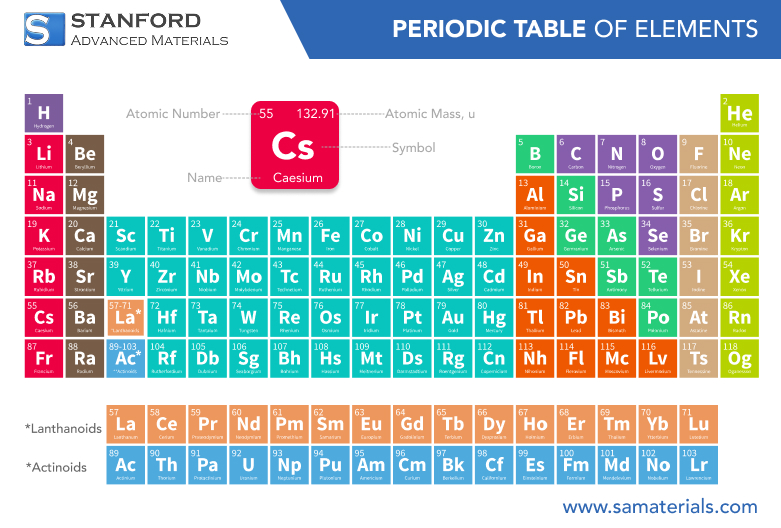
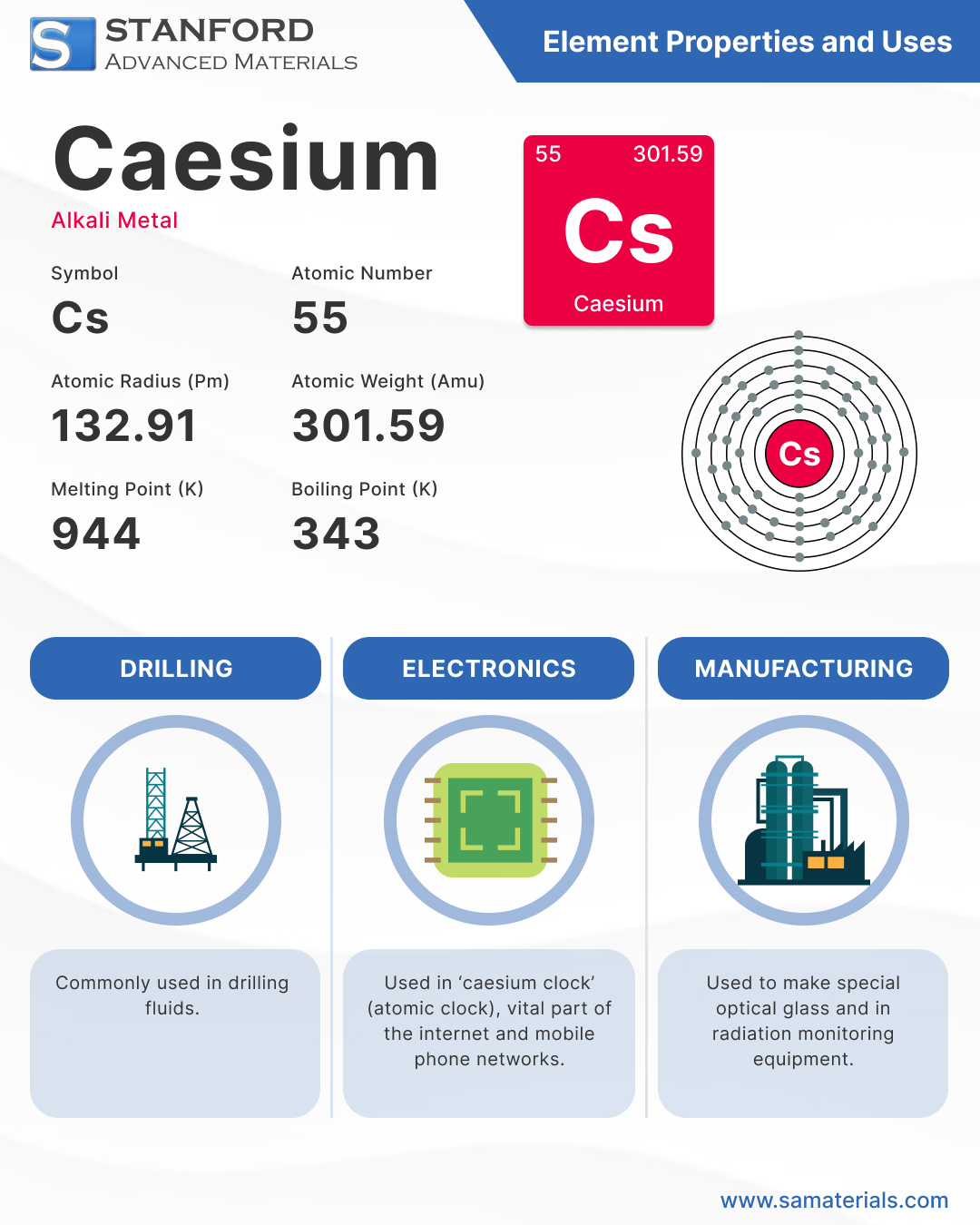
Cesium is a soft, silvery-gold alkali metal with high reactivity, a low melting point, and strikingly different chemical and physical properties. It plays a crucial role in many high-tech applications: in atomic clocks, in medical imaging, during oil drilling, and in space propulsion systems.
History and Naming
Cesium was discovered in 1860 by German chemists Robert Bunsen and Gustav Kirchhoff while they conducted flame spectroscopy experiments. From the spectral lines obtained in a mineral sample, two new elements were identified, one of which was cesium. The name "cesium" is derived from the Latin caesius, meaning "sky blue," which describes the blue lines that appeared so prominently in their discovery of the element in the emission spectrum.
Cesium was first extracted from the mineral pollucite, which contained a significant amount of the element. Methods for extraction and purification of cesium have gradually improved, leading to current scientific and industrial uses.
As a member of the family of alkali metals, cesium falls into Group 1 of the periodic table, sharing its place among the most reactive metals, including lithium, sodium, and potassium. The position of cesium within this group explains its unusual chemical behavior, involving its extreme reactivity, especially with water and air. Over the years, this metal has found a wide range of applications in precision measurement technologies and various industrial uses.
Chemical Properties Description
The chemical properties of cesium provide this metal with very unique and useful characteristics. It is among the most reactive metals, having low ionization energy that leads it to lose its only one valence electron so easily. Highly stable yet reactive cesium compounds are usually obtained in the +1 oxidation state.
Reacting cesium with water produces cesium hydroxide, CsOH and hydrogen gas along with the liberation of a sufficient amount of heat. Reaction of this alkali metal with oxygen produces cesium oxide, Cs₂O, which reacts further in certain conditions to yield cesium peroxide, Cs₂O₂.
Its compounds, like CsCl and CsNO₃, find applications in various industries, namely in chemical synthesis, photonics, and petroleum drilling fluid additives. Beyond that, cesium is also a strong reducing agent in chemical reactions. It's very valuable in those manufacturing processes that require precision in the control of chemical reactivity.
Physical Properties Data Table
|
Property |
Value |
Unit |
|
Atomic Number |
55 |
- |
|
Atomic Weight |
132.91 |
g/mol |
|
Melting Point |
28.5 |
°C |
|
Boiling Point |
671 |
°C |
|
Density |
1.93 |
g/cm³ |
|
State at Room Temp |
Solid |
- |
For further details, please visit Stanford Advanced Materials (SAM).
Common Uses
Cesium is used in many different types of applications because of some unique properties it possesses, including:
1. Atomic Clocks
Cesium is perhaps most famous for its use in atomic clocks, whose steady frequency in the oscillations of cesium provide an extremely accurate time standard. Cesium-based clocks are integral to systems dependent on very reliable timekeeping, such as GPS systems and telecommunications.
2. Oil Drilling Fluids
In the petroleum industry, cesium compounds are used in the preparation of additives to drilling fluids. Cesium formate is especially popular because its high density contributes both to the improvement of oil extraction and to the stabilization of drilling.
3. Photoelectric Cells
Because of its photosensitivity and ability to handle radiant energy transformations, cesium is in great demand in photoelectric cells and other devices. These applications are particularly important in solar energy systems and sensors.
4. Medical Imaging
Cesium is utilized in forms of medical imaging, including radiotherapy, by serving as a gamma ray source in the treatment of cancer.
5. Specialty Chemical Processes
Because of the reactivity of Cs, it is useful in specialized chemical reaction applications, such as in a laboratory or in specific industrial manufacturing processes. Cesium is mainly applied as a reducing agent in organic syntheses and other industrial reactions.
Preparation Methods
Cesium comes principally from the mineral pollucite, which contains a high percentage of the element. The extraction of cesium is done as follows:
1. Extraction from Pollucite
The pollucite is first treated with strong acid to release the cesium ions into solution; a variety of subsequent chemical treatments separate the cesium selectively from the other elements present in the mineral.
2. Purification
Afterwards, this solution of cesium undergoes further treatment, such as precipitation and ion exchange, in order to make certain that the cesium is isolated in a very pure form. Subsequently, the cesium ions are reduced by a metallothermic reaction with either sodium or calcium to get the metallic form of cesium.
3. Handling and Storage
Operating with and storing cesium requires that its environment be carefully controlled, often in hermetically sealed containers or inert atmospheres, simply because of the high degree of reactivity with moisture and air.
Frequently Asked Questions
What is caesium?
Cesium is a very reactive alkali metal with unique chemical and physical properties; among these, low melting and high reactivity in water and oxygen are included.
What are the main chemical properties of cesium?
Cesium is a very reactive metal, readily forming compounds in a +1 oxidation state. It is violently reactive with water and oxygen, generating heat to create cesium hydroxide and oxides.
How does commercial preparation of cesium occur?
Cesium is obtained from minerals such as pollucite, and its isolation includes acid treatment followed by purification through precipitation and reduction processes to get metallic cesium.
What are some uses for cesium?
Cesium has applications in atomic clocks, photoelectric cells, oil drilling fluids, medical imaging, and various chemical reactions.
Are there any concerns about safety involving cesium?
Yes, that is right. Due to this highly reactive nature, cesium should be handled with care. It burns with water and oxygen violently, and its storage and usage are therefore best done under controlled environments that can avoid dangerous reactions.
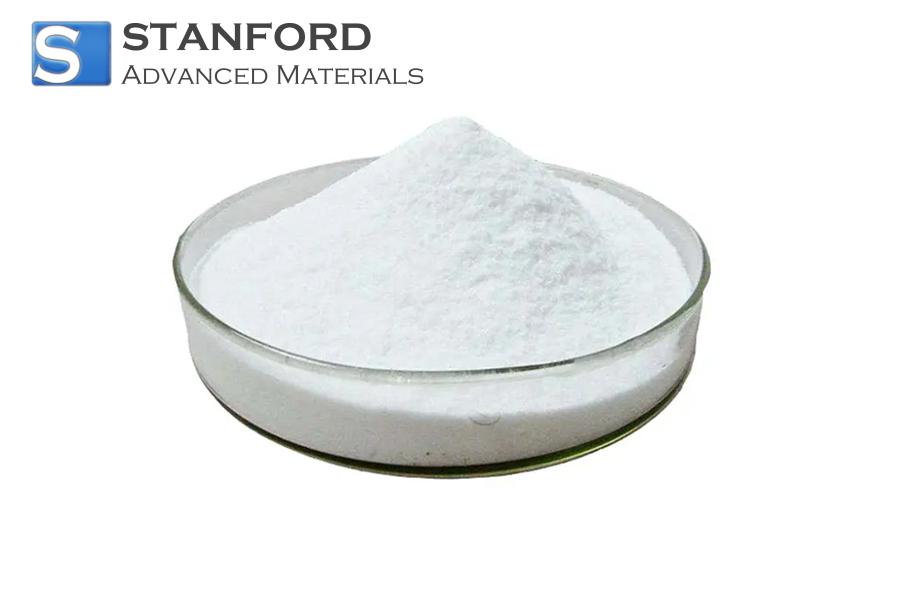
 Powderlbby.jpg)
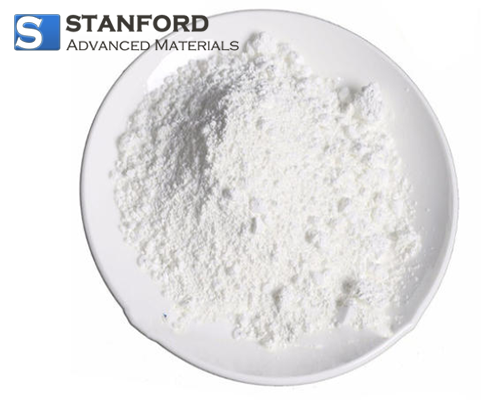
 Powderfmz8.jpg)

 Chin Trento