
 Products
 Bars
Bars
 Beads & Spheres
 Bolts & Nuts
 Crucibles
 Discs
Discs
 Fibers & Fabrics
 Films
Films
 Flake
Flake
 Foams
Foams
 Foil
Foil
 Granules
 Honeycombs
 Ink
Ink
 Laminate
 Lumps
Lumps
 Meshes
 Metallised Film
 Plate
Plate
 Powders
 Rod
Rod
 Single Crystals
 Sputtering Target
 Tubes
Tubes
 Washer
 Wires
Wires
 Converters & Calculators
 Write for Us



Titanium Used in the Aerospace Industry

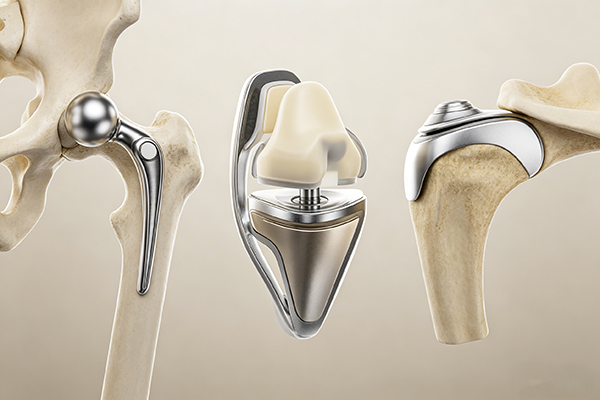
Titanium has a lower density than steel. Its stiffness is less than steel but significantly greater than aluminum. These properties make it ideal for many applications. High-performance bicycle frames and golf clubs are made of titanium. Titanium with 4% aluminum is popular for surgical implants such as artificial joints since it is well tolerated by the body's tissues, resists corrosion, is strong, and is not too stiff. This article talks about how titanium is used in the aerospace industry.
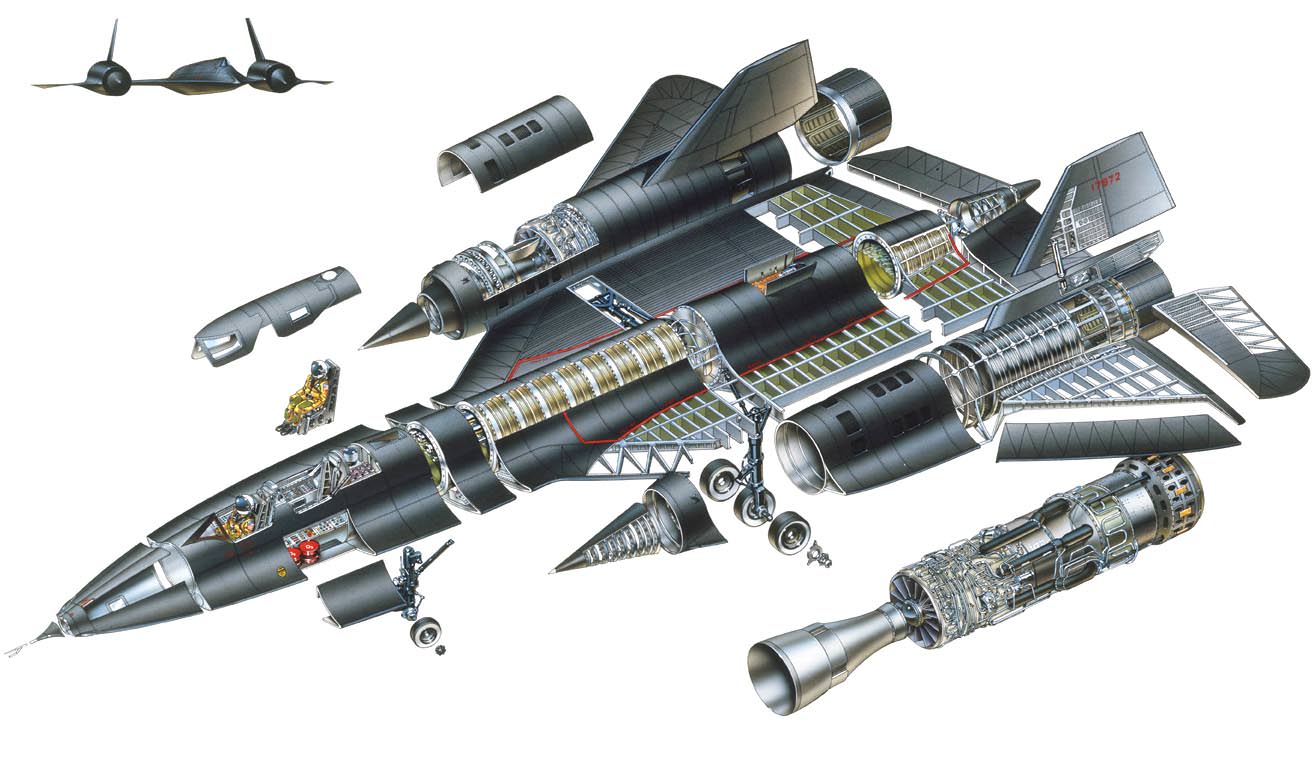
Although titanium is a very common metal, alloy development didn't begin until the late 1940s. The common ore, TiO2, could not simply be reduced with carbon because carbides were produced. An indirect chemical route was discovered. First titanium oxide reacts with chlorine gas to produce titanium chloride, with carbon carrying away the oxygen. Then the titanium chloride is reduced with magnesium. High temperatures are required for these reactions. Even after the metal was available, there were still obstacles to its application. Molten titanium metal will react with atmospheric oxygen or nitrogen, so new processing methods in inert atmospheres were needed to replace existing forging and machining techniques. Large amounts of oxygen make titanium strip brittle, more like the ore, but titanium with 0.3% oxygen is strong, and harder to bend than pure titanium. Slightly higher amounts of those metals result in a hard metal suitable for jet engines.
Since the 1950s, titanium alloys have developed rapidly in the aerospace industry. This application mainly utilizes the excellent comprehensive mechanical properties, low density, and good corrosion resistance of titanium alloys, because the materials of aerospace frames require high tensile strength, good fatigue strength, and fracture toughness. The excellent high-temperature tensile strength, creep strength, and high-temperature stability of titanium alloys have also made them suitable for use in jet engines.
Titanium alloy is one of the main structural materials for modern aircraft and engines. It can reduce the weight of the aircraft and improve structural efficiency. The spacecraft's payload is relatively small compared to the aircraft, so the weight loss of its structure is even more important. Titanium alloys have been used in the earliest Apollo Program and Project Mercury, and fuel tanks and satellite pods are typical applications for titanium alloys. Titanium alloys are more advantageous than high-strength steels because of their lightweight, high strength, and long-term chemical stability with fuel. For example, Ti-3Al-2.5V alloy was developed for low-temperature applications and still has good toughness and plasticity under cryogenic conditions in space.
Related reading: How Is Titanium Used In Aerospace/Aeronautics Applications?
Conclusion
Thank you for reading our article and we hope it can help you have a better understanding of the titanium used in the aerospace industry. If you want to learn more about titanium products, we would like to advise you to visit Stanford Advanced Materials (SAM) for more information.
Stanford Advanced Materials (SAM) is a worldwide supplier of titanium products and has over two decades of experience in the manufacture and sale of titanium materials, providing high-quality products to meet our customers' R&D and production needs. As such, we are confident that SAM will be your favorite titanium supplier and business partner.
 Chin Trento